How Much Does Plumbing Cost in Cincinnati, OH?
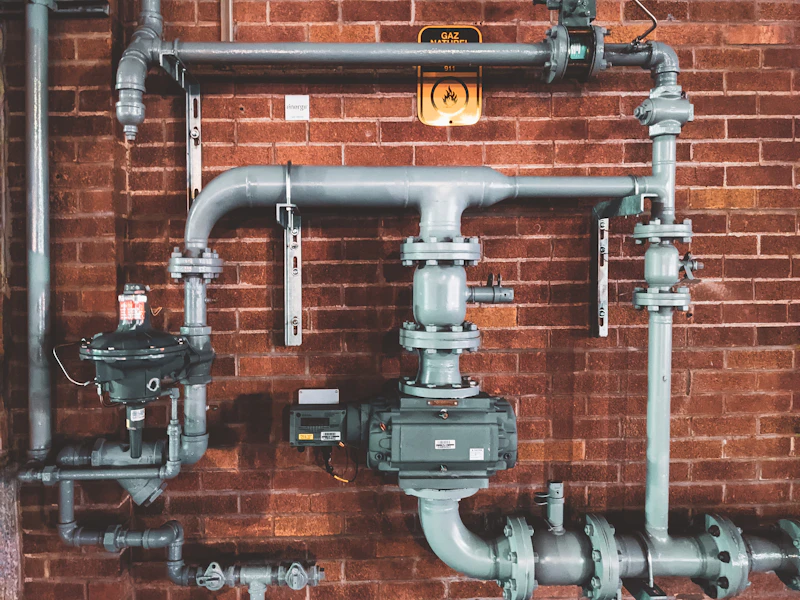
Based on Bureau of Labor Statistics wage data for the Cincinnati metropolitan area, plumbing in Cincinnati costs between $80 and $3,290, with an average of $330.
Plumbing Cost Breakdown — Cincinnati, OH
| Service/Item | Low Estimate | Average | High Estimate |
|---|---|---|---|
| Faucet Repair/Replace | $90 | $120 | $180 |
| Toilet Repair | $80 | $110 | $190 |
| Water Heater Install | $1,060 | $1,370 | $1,880 |
| Drain Cleaning | $50 | $70 | $110 |
| Pipe Leak Repair | $130 | $190 | $290 |
| Sewer Line Repair | $1,500 | $2,020 | $2,910 |
Complete Guide to Plumbing in Cincinnati
Cincinnati’s unique blend of historic homes, variable weather, and shifting soil means plumbing isn’t just about pipes—it’s about how your system withstands decades of freeze-thaw cycles and aging infrastructure. From 1920s brick colonials in Northside to post-war Cape Cods in Anderson Township, most homes have full basements, which increases vulnerability to slab leaks and sewer line issues.
Winters regularly dip to 15–25°F, turning frozen pipes into a real threat—especially in older homes with inadequate insulation or outdated galvanized steel lines. Add in Ohio’s expansive clay soil, which swells in wet seasons and cracks foundations, and you’ve got a recipe for recurring plumbing stress.
Storm patterns matter too. While Cincinnati doesn’t get lake-effect snow like Cleveland, sudden winter thaws can overwhelm aging storm drains and basement sump systems.
Tornado risks, though moderate, mean overhead water lines and outdoor plumbing fixtures should be secured and inspected post-storm. Vinyl siding is common across the metro, but behind those panels, hidden plumbing runs can suffer from poor airflow and temperature swings—especially in homes built before 1980.
On the cost side, Cincinnati homeowners typically pay about 8% less than the national average for plumbing services.
That’s partly due to lower overhead for local contractors and a competitive market with many licensed, family-run operations. Still, older neighborhoods like Clifton, Hyde Park, and Columbia-Tusculum often see higher labor costs due to difficult access, outdated layouts, and the need for code-compliant upgrades when working behind original plaster walls or under concrete slabs. Homeowners may also want to compare Plumbing in Mason.
Material and Labor Cost Breakdown
In Cincinnati, plumbing jobs typically split 60% labor and 40% materials for standard repairs and installations. For larger projects like full repipes or sewer line replacements, the labor share can climb to 70% due to excavation, permit coordination, and system rerouting around existing structures. For a nearby comparison, check Plumbing in Westerville.
The U.S. Bureau of Labor Statistics reports a median wage of $27.00/hr for plumbers in Ohio, but what you pay isn’t just that hourly rate. Contractors apply a field service markup to cover vehicle costs, insurance, tooling, and job supervision—especially critical in Cincinnati, where jobs often require trenching through clay-heavy soil or navigating tight basement crawl spaces. Homeowners may also want to compare roofing costs in Cincinnati.
The wide gap between low-end and high-end estimates comes down to three factors: access difficulty, code compliance, and material quality. A simple faucet replacement in a modern Madeira kitchen may land near the low end, but replacing a water heater in a 1940s Finneytown basement with limited clearance and outdated gas lines pushes costs higher.
Similarly, repairing a sewer line under a concrete driveway in Delhi Township involves permit fees, jackhammering, and backfill compaction—driving up labor. Older homes may also require upgrades to meet current IPC (International Plumbing Code) standards, adding unexpected costs if not scoped early.
Timeline and Scheduling Considerations
Plumbing demand in Cincinnati peaks from September through November, as homeowners prepare for winter and real estate activity slows after summer. Scheduling work before December gives you time to address frozen pipe risks, especially in unheated basements or garages.
Winter emergencies spike during cold snaps, when outdoor spigots freeze or basement temperatures drop below 50°F. Spring brings its own challenges—April rains saturate clay soil, increasing hydrostatic pressure on foundation drains and sump pumps.
- Schedule sewer line inspections in early fall—before leaf blockages and winter ground shifts compromise older clay or cast iron pipes common in Over-the-Rhine and East Walnut Hills.
- Replace outdoor hose bibbs before October to prevent freeze damage, especially on north-facing walls in Blue Ash or Indian Hill.
- Avoid scheduling slab leak repairs during rainy periods—wet soil increases excavation time and disposal fees in areas like West Chester with high water tables.
- Book water heater replacements in late spring or early summer when demand is low and technicians have more availability for proper venting and gas line checks.
- Inspect sump pumps and French drains in March—before spring thaw floods older basements in hilly neighborhoods like Mount Lookout or Pleasant Ridge.
- Local labor rates — Cincinnati plumbers earn an average of $27.00 per hour, about 8% below the national average. This is due to the city’s lower cost of living compared to major metro areas, limited union presence in the trades, and steady but not overly competitive demand for skilled labor.
- Seasonal demand — Winter months (December–February) see a spike in plumbing emergencies due to freezing temperatures (often 15–25°F), leading to burst pipes, especially in older homes. As a result, service calls during peak season can carry a 10–20% premium over off-peak months like spring or early fall.
- Project scope — A simple faucet replacement differs drastically in cost from a full repipe of a 1920s brick colonial. The gap in estimates often comes down to pipe accessibility, number of fixtures, and whether walls or floors need demolition—common challenges in Cincinnati’s older housing stock.
- Permits & inspections — While Ohio doesn’t require statewide general contractor licensing, plumbing work must be done by state-licensed professionals and typically requires a permit from the local municipality. In Cincinnati and surrounding suburbs, permit fees range from $50 to $300 depending on project complexity and are often included in contractor quotes.
- Materials quality — Choosing between builder-grade PEX or PVC piping versus premium copper or tankless water heater systems can increase material costs by 30–50%. In Cincinnati’s clay-heavy soil, which expands and contracts with freeze-thaw cycles, durable materials help prevent future leaks and foundation-adjacent pipe damage.
- Property characteristics — Most Cincinnati homes, such as brick colonials and Cape Cods, have basements and multiple stories, which affect labor time and access. Older homes with cast iron drain lines or galvanized steel pipes often require more extensive work, increasing costs due to slow access and potential asbestos or lead pipe concerns.
- Emergency vs scheduled — After-hours, weekend, or holiday calls—common during winter pipe bursts—can cost 1.5 to 2 times the standard rate. Scheduling non-urgent plumbing work during regular business hours helps avoid these premiums and ensures faster availability during milder seasons.
Emergency rates apply after hours, on weekends, or during severe weather when burst pipes occur. To avoid them, insulate exposed pipes in unheated spaces, disconnect hoses before winter, and know your home’s main water shutoff location.
Homes with unfinished basements in Norwood or St. Bernard should install freeze alarms—many contractors offer them during routine service calls. Related: hvac costs in Cincinnati.
Protecting Yourself: Warranties and Guarantees
Reputable Cincinnati plumbers offer a minimum one-year labor warranty on repairs and installations. Some stand behind their work for up to three years, especially on full repipes or water heater installations. See how costs compare: Plumbing in Columbus.
Material warranties come from manufacturers—PVC pipe, for example, often carries a lifetime warranty, while fixtures like Moen or Kohler may include 5–10 year coverage. Always ask for warranty documentation in writing; verbal promises aren’t enforceable.
Ohio requires all plumbing contractors to carry general liability insurance and workers’ comp for employees.
Bonding is also mandatory for permit work—this protects you if a contractor fails to complete the job or violates code. Before any work begins, verify their license number with the Ohio Construction Industry Licensing Board and confirm they’re registered to operate in Hamilton, Butler, or Clermont County as applicable.
Put everything in writing: scope of work, materials to be used, timeline, payment schedule, and cleanup responsibilities. Avoid cash-only requests or deposits over 25%.
In older Cincinnati homes, unexpected issues like corroded supply lines or illegal plumbing modifications may arise—your contract should outline how change orders are handled and priced. A clear agreement prevents disputes and ensures both sides are protected when working in complex, aging systems.
What Affects Plumbing Costs in Cincinnati?
What Affects Plumbing Costs in Cincinnati?
Homeowners in Cincinnati, OH face unique factors that influence plumbing repair and installation costs. From seasonal weather patterns to local building practices, understanding these elements helps you make informed decisions and budget effectively.
Popular Plumbing Brands in Cincinnati
Frequently Asked Questions
How much does plumbing cost in Cincinnati, OH?
The average plumbing cost in Cincinnati, OH is $330, with prices typically ranging from $80 to $3,290 depending on the job's complexity. Labor rates average around $27.00 per hour, based on U.S. Bureau of Labor Statistics (BLS) data for the Cincinnati metro area. Common services like fixing a leaky faucet or unclogging a drain fall on the lower end, while full repipes or water heater installations can reach the higher end. These costs are generally competitive due to local labor rates and market conditions.
Why is plumbing less expensive in Cincinnati than the national average?
Plumbing in Cincinnati tends to be less expensive than the national average due to lower labor costs, with plumbers earning a mean hourly wage of $27.00, according to BLS data. The region's overall cost of living is below the national average, which helps keep service rates affordable. Additionally, a steady supply of licensed contractors fosters competitive pricing. These factors combine to make plumbing services in Cincinnati more budget-friendly compared to many other metro areas.
How can I save money on plumbing in Cincinnati?
You can save money on plumbing in Cincinnati by scheduling repairs early before small issues become costly emergencies. Getting multiple quotes from licensed contractors helps ensure you're paying a fair rate based on the local average of $27.00 per hour. Regular maintenance, such as drain cleaning and leak inspections, can prevent expensive fixes down the line. Avoiding DIY attempts on complex jobs also reduces the risk of damage that could increase repair costs.
Do I need a permit for plumbing in OH?
Yes, most plumbing work in Ohio requires a permit, especially for new installations, major repairs, or system modifications. Permits ensure the work meets state and local plumbing codes and must be pulled by a licensed contractor. Routine maintenance like fixing a faucet or unclogging a drain typically doesn't require one. Always verify with your local building department in the Cincinnati metro area to confirm permit requirements for your specific project.
How long does plumbing take in Cincinnati?
Most standard plumbing jobs in Cincinnati, such as fixing leaks or installing fixtures, are completed within a few hours to one day. Larger projects like repiping a home or installing a new water heater may take 1–3 days depending on complexity. The timeline can also depend on contractor availability and whether permits or inspections are required. Prompt scheduling and clear communication with your licensed plumber help ensure timely completion.
What warranty should I expect from a plumbing contractor?
Most reputable plumbing contractors in Cincinnati offer a warranty of 1–2 years on labor, while parts and fixtures typically come with manufacturer warranties. Some companies may offer extended labor warranties for major installations like water heaters or sump pumps. Always ask for the warranty terms in writing before work begins. Warranties help protect your investment and ensure accountability for quality workmanship.
What's the best time of year for plumbing in Cincinnati?
The best time for plumbing work in Cincinnati is during spring or early fall when weather is mild and contractors have more availability. Winter brings high demand for emergency repairs due to frozen pipes, leading to longer wait times. Scheduling non-urgent projects during off-peak seasons can result in faster service and potential cost savings. Plus, moderate temperatures make outdoor or attic-accessible plumbing jobs easier to complete efficiently.
