How Much Does Electrical Cost in Cincinnati, OH?
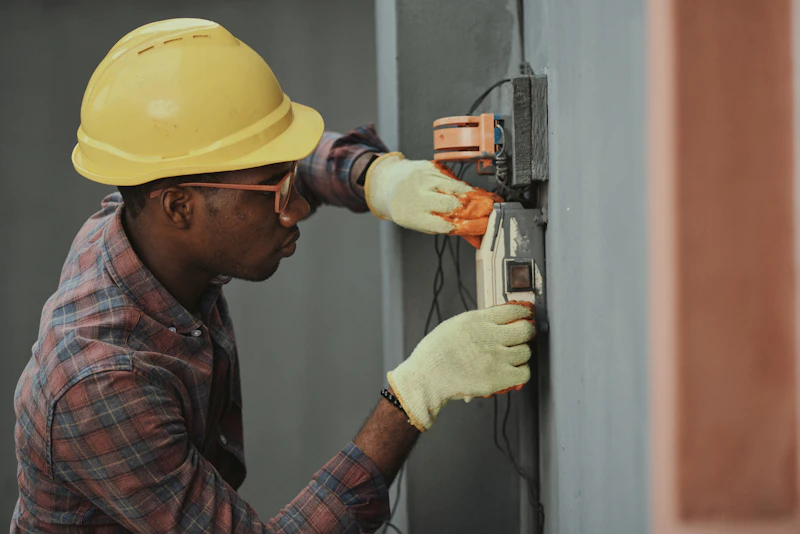
Based on Bureau of Labor Statistics wage data for the Cincinnati metropolitan area, electrical in Cincinnati costs between $70 and $4,520, with an average of $660.
Electrical Cost Breakdown — Cincinnati, OH
| Service/Item | Low Estimate | Average | High Estimate |
|---|---|---|---|
| Outlet Installation | $40 | $70 | $110 |
| Ceiling Fan Install | $170 | $230 | $350 |
| Panel Upgrade (200 amp) | $1,390 | $1,830 | $2,560 |
| EV Charger Install | $740 | $960 | $1,340 |
| Whole House Rewiring | $2,880 | $3,820 | $5,420 |
| Light Fixture Install | $60 | $90 | $140 |
Why Electrical Costs Vary in Cincinnati
Cincinnati’s electrical pricing reflects a blend of regional labor economics, housing age, and environmental conditions unique to Southwest Ohio. While the U.S.
Bureau of Labor Statistics reports an average electrician wage of $27.24/hr, Cincinnati contractors typically apply a markup of 30–50% to cover overhead, insurance, permits, and project management—common across metro areas with high compliance demands. Despite this, total electrical project costs in Cincinnati run about 8% below the national average, thanks to moderate union penetration, competitive local contracting, and a stable supply chain for materials through regional distributors like Graybar and Rexel.
The city’s older housing stock—particularly brick colonials and Cape Cods in neighborhoods like Mount Lookout, Northside, and Hyde Park—often requires circuit upgrades, knob-and-tube removal, or panel retrofits. These homes, many built before 1960, frequently have outdated 60-amp service, aluminum wiring, or insufficient outlets for modern loads.
Retrofitting them demands more labor than new builds, directly impacting cost.
Basements, standard in most Cincinnati homes, add complexity when running new circuits through concrete walls or limited crawl access, especially in clay-heavy soil that expands in wet conditions and can shift conduit pathways. Homeowners may also want to compare Electrical in Columbus.
Seasonal extremes also influence pricing.
Winter temperatures averaging 15–25°F increase demand for indoor electrical work—think lighting upgrades or HVAC electrical checks—while limiting outdoor tasks like service mast replacements. For a nearby comparison, check Electrical in Westerville.
Though Cincinnati avoids the lake-effect snow seen in Cleveland, ice storms and occasional tornado risk (especially in the I-75 corridor) can spike emergency call volume, leading to higher rates during storm recovery periods.
Contractors often schedule major upgrades in spring and fall, when weather supports both indoor and outdoor electrical work without weather delays. Homeowners may also want to compare plumbing costs in Cincinnati.
Local code enforcement varies by municipality. Cincinnati’s building department follows the Ohio Building Code (based on ICC standards), but suburbs like Blue Ash or Mason may impose additional inspection layers.
Permits are required for all new circuits, panel changes, and service upgrades, and electrical work must pass rough-in and final inspections.
These compliance steps add time and cost but ensure safety in a region where older infrastructure meets modern power demands. Related: hvac costs in Cincinnati.
Comparing Quotes: Budget vs. Mid-Range vs. Premium
| Feature | Budget | Mid-Range | Premium |
|---|---|---|---|
| Materials | Basic copper NM-B wire, builder-grade outlets/switches (e.g., Leviton 120V) | Upgraded copper wiring, tamper-resistant outlets, LED-compatible dimmers | Commercial-grade wiring, smart devices (Lutron, Legrand), surge-protected panels |
| Labor Approach | Minimal disruption, functional routing, limited access to finished walls | Concealed runs where possible, label panels, avoid joist drilling in visible areas | Full attic/crawlspace access, fish wires neatly, custom labeling, no surface stapling |
| Warranty | 1-year labor, manufacturer-only on materials | 2-year labor, 5-year on panels and major components | 5-year labor, lifetime on select devices, free re-inspection at 12 months |
| Timeline | 5–7 business days from permit approval | 7–10 days, includes coordination with other trades | 10–14 days, phased work to preserve finishes |
| Code Compliance | Meets minimum Ohio Electrical Code (NEC-based) | Exceeds code: AFCI in all bedrooms, GFCI in kitchens/bath | Full arc-fault coverage, dedicated circuits for high-load devices, whole-house surge |
| Service Availability | Business hours only, 48-hour emergency response | Extended hours, 24-hour emergency line with $150 minimum | 24/7 emergency, no minimum, same-day response guaranteed |
Seasonal Pricing Patterns in OH
Electrical work in Ohio follows a predictable seasonal rhythm shaped by weather and contractor availability. Understanding these patterns helps homeowners secure better rates and avoid delays. See how costs compare: Electrical in Dublin.
- Schedule major upgrades between March and May or September to October—mild weather allows outdoor conduit runs and service drops without winter ice or summer storm delays.
- Avoid November through February for exterior electrical work; frozen ground and ice make trenching for underground lines difficult and costly, often requiring thawing equipment.
- Emergency rates—typically 1.5x to 2x standard labor—apply during and immediately after storms, especially when high winds or tornadoes knock out power in neighborhoods like Eastgate or Madeira.
- Spring and fall are peak booking periods; secure quotes at least 3–4 weeks in advance for projects like panel upgrades or whole-house rewiring.
- Consider off-peak winter months (January–February) for indoor-only work like lighting retrofits or outlet additions—contractors may offer small discounts to fill downtime.
- Verify the electrician holds a current Ohio Electrical License (Class A, B, or Limited) through the Ohio Construction Industry Licensing Board (OCILB).
- Confirm they pull permits for your project—unpermitted work can void insurance and complicate resale, especially in historic districts like Walnut Hills.
- Ask for proof of liability insurance and workers’ comp; uninsured subcontractors put homeowners at financial risk.
- Request references from past clients in similar homes—brick colonials or pre-1970s builds require different expertise than new construction.
- Review the contract: it should itemize labor, materials, permit fees, and inspection milestones.
- Ensure they coordinate with your city inspector—delays often stem from failed inspections due to improper box fill or grounding.
- Local labor rates — Cincinnati electricians earn an average of $27.24 per hour, about 8% below the national average. This is due to the region’s lower cost of living, limited union presence compared to larger metro areas, and moderate demand for skilled trades. While competition among local contractors helps keep rates stable, experienced professionals with state licensing still command higher wages.
- Seasonal demand — Electrical work peaks in spring and fall when homeowners prepare for extreme temperatures. During winter (when temps average 15–25°F) and storm season, emergency repairs rise, increasing demand by up to 20%. Contractors may charge a seasonal premium of 10–20% during these high-demand months, especially for urgent heating-related electrical issues.
- Project scope — A simple outlet replacement costs significantly less than a full panel upgrade or rewiring an older home. The gap between low and high estimates often comes down to hidden wiring issues, circuit load requirements, and compliance with current NEC codes. Older homes in neighborhoods like Northside or Clifton may require more extensive work due to outdated systems.
- Permits & inspections — Ohio requires state-licensed electricians for all electrical work, and most Cincinnati-area municipalities require permits for upgrades or new installations. Permit fees typically range from $50 to $300 depending on project size and jurisdiction. Inspections ensure compliance with safety codes, especially important in homes with clay soil that can shift foundations and stress wiring over time.
- Materials quality — Choosing premium electrical materials like tamper-resistant outlets, arc-fault breakers, or smart home panels can increase costs by 30–50% over builder-grade components. In tornado-prone areas near the I-75 corridor, homeowners often invest in surge protectors and backup power systems, further affecting material expenses.
- Property characteristics — Cincinnati’s housing stock—dominated by brick colonials, Cape Cods, and multi-story homes with full basements—affects labor access and time. Older homes with knob-and-tube wiring or limited attic/crawlspace access require more labor. Vinyl siding and masonry walls also complicate exterior electrical installations, increasing time and complexity.
- Emergency vs scheduled — Emergency electrical services after hours, on weekends, or during winter storms can cost 1.5 to 2 times the standard rate. With lake-effect snow occasionally impacting the region and winter power outages common, after-hours callouts for tripped breakers or lighting failures are frequent and pricier than planned maintenance.
Emergency electrical issues—flickering power, burning smells, tripped main breakers—should never be delayed. But routine upgrades scheduled proactively avoid weather-related surcharges and ensure availability during high-demand seasons.
Hiring the Right Contractor in Cincinnati
Ohio does not issue statewide general contractor licenses, but electrical work requires a state-licensed electrician.
All wiring, panel changes, and service upgrades must be permitted through the local building department—Cincinnati or your township—and pass inspection under the Ohio Building Code, which adopts the International Electrical Code with state amendments. While Cleveland and Columbus enforce stricter energy efficiency rules, Cincinnati focuses on life safety and proper grounding, especially in older homes with ungrounded systems.
Red flags include cash-only demands, refusal to permit, or estimates that seem too low—likely cutting corners on conduit depth or circuit separation. During estimates, ask: “Will this meet AFCI requirements for bedrooms?” and “How will you handle knob-and-tube if found?” A qualified Cincinnati electrician will know the answer and explain it clearly.
What Affects Electrical Costs in Cincinnati?
What Affects Electrical Costs in Cincinnati?
Homeowners in Cincinnati face several factors that influence the cost of electrical services.
From seasonal weather patterns to local building practices, understanding these variables helps in planning and budgeting for electrical work. Below are the key factors affecting electrical repair and installation costs in the Greater Cincinnati area.
Popular Electrical Brands in Cincinnati
Frequently Asked Questions
How much does electrical cost in Cincinnati, OH?
Electrical work in Cincinnati, OH averages $660, with prices typically ranging from $70 to $4,520 depending on the scope. Labor rates average $27.24 per hour, according to the U.S. Bureau of Labor Statistics (BLS), which is competitive for the region. Costs can vary based on project complexity, materials, and contractor experience.
Why is electrical less expensive in Cincinnati than the national average?
Electrical services in Cincinnati tend to be more affordable than the national average due to lower overall labor and living costs in the region. The BLS reports Cincinnati electricians earn $27.24/hr on average, which supports more competitive service pricing. Additionally, a stable supply of licensed contractors helps maintain reasonable market rates.
How can I save money on electrical in Cincinnati?
You can save money by scheduling electrical repairs or upgrades during off-peak seasons, such as late winter, when contractors may offer discounts. Bundling multiple electrical projects into one service call reduces labor costs. Always get multiple quotes from licensed contractors and ask if they charge by the job or by the hour, using the BLS average of $27.24/hr as a benchmark.
Do I need a permit for electrical in OH?
Yes, most electrical work in Ohio requires a permit, especially for new installations, panel upgrades, or major rewiring. Permits ensure work complies with the Ohio Electrical Code and are typically obtained by licensed contractors. Minor repairs like replacing outlets or light fixtures may not require one, but it's best to check with local Cincinnati building authorities.
How long does electrical take in Cincinnati?
Simple electrical tasks like fixture installation or outlet repair usually take a few hours, while full home rewiring can take several days. The timeline depends on permit approval, job complexity, and contractor availability. Most licensed electricians in Cincinnati can provide a detailed estimate based on the BLS hourly rate of $27.24 and project scope.
What warranty should I expect from a electrical contractor?
Most reputable electrical contractors in Cincinnati offer a warranty of 1 to 2 years on labor, while parts and devices often come with separate manufacturer warranties. Always ask for warranty terms in writing before work begins. Warranties help protect against faulty workmanship and ensure accountability, especially on jobs priced within the $70–$4,520 range.
What's the best time of year for electrical in Cincinnati?
The best time for electrical work in Cincinnati is late winter or early spring, when demand is lower and contractors may offer better rates. Scheduling during off-peak months can reduce wait times and labor costs, especially if using the BLS average of $27.24/hr as a pricing reference. Avoid summer months when HVAC-related electrical jobs increase demand and pricing.
