How Much Does Electrical Cost in Dublin, OH?
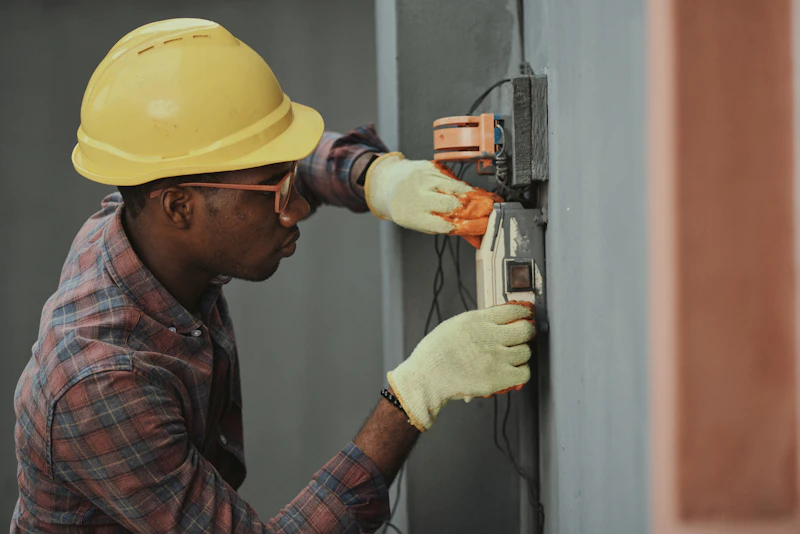
Based on Bureau of Labor Statistics wage data for the Columbus metropolitan area, electrical in Dublin costs between $70 and $4,520, with an average of $660.
Electrical Cost Breakdown — Dublin, OH
| Service/Item | Low Estimate | Average | High Estimate |
|---|---|---|---|
| Outlet Installation | $40 | $70 | $110 |
| Ceiling Fan Install | $170 | $230 | $350 |
| Panel Upgrade (200 amp) | $1,390 | $1,830 | $2,560 |
| EV Charger Install | $740 | $960 | $1,340 |
| Whole House Rewiring | $2,880 | $3,820 | $5,420 |
| Light Fixture Install | $60 | $90 | $140 |
Dublin, Ohio blends suburban precision with Midwest resilience, and its electrical infrastructure reflects that balance.
Homes here—often brick colonials or Cape Cods with full basements—demand wiring systems built to handle freezing winters, where temperatures routinely dip to 15–25°F, and sudden spring storms bring tornado risks. These aren’t just weather stats—they shape how electricians work, what materials last, and why labor carries a premium even though overall electrical costs run about 8% below the national average.
Why Electrical Costs Vary in Dublin
Electrical pricing in Dublin isn’t arbitrary. It’s shaped by climate demands, housing styles, and labor economics.
The U.S. Bureau of Labor Statistics reports an average electrician wage of $27.24/hr in Ohio, but Dublin contractors typically apply a 30–50% markup to cover overhead, insurance, permits, and project management. That markup stays competitive because demand is steady but not inflated like in larger metros.
Winter conditions directly impact electrical work. Frozen ground delays service upgrades requiring trenching, especially with clay-heavy soil that expands when wet and cracks conduits if improperly backfilled. Homeowners may also want to compare Electrical in Westerville.
While Dublin doesn’t get lake-effect snow like Cleveland, ice storms still knock out power, increasing demand for generator tie-ins and weatherproof exterior installations. These recurring stressors mean contractors use higher-grade materials—like UF-B cable for underground runs and tamper-resistant outlets in older homes—driving up material costs slightly. For a nearby comparison, check Electrical in Lakewood Oh.
Housing stock also plays a role. Many Dublin homes, especially in established neighborhoods like Bridge Street or Dublin Hills, were built in the 1980s and 1990s. Homeowners may also want to compare bathroom remodel costs in Dublin.
They feature full basements with unfinished ceilings, making re-wiring easier than in slab-built southern homes—but also revealing outdated aluminum wiring or knob-and-tube remnants that require remediation. Vinyl siding is common, which simplifies exterior box mounting, but brick exteriors on premium models require masonry drilling, adding labor time.
Permitting through the City of Dublin Building Department follows the Ohio Building Code, based on ICC standards.
All electrical work over $1,000 or involving panel changes requires inspection. Contractors factor in permit fees and inspection scheduling delays—especially during peak fall months—into their timelines and bids.
Comparing Quotes: Budget vs. Mid-Range vs. Premium
| Feature | Budget | Standard | Premium |
|---|---|---|---|
| Materials Used | Basic-grade wiring, builder-spec outlets, aluminum where code allows | Copper wiring throughout, tamper-resistant outlets, weatherproof GFCI | Commercial-grade copper, arc-fault breakers, smart switches and dimmers |
| Labor Practices | Single electrician, minimal cleanup, limited coordination | Dedicated crew, daily site cleanup, coordination with other trades | Project manager on-site, detailed planning, structured workflow |
| Warranty | 1-year labor, manufacturer-only on parts | 2-year labor, 5-year parts coverage | 5-year comprehensive, including surge damage and workmanship |
| Timeline | Fastest completion, may overlap with other work | Scheduled phases, minimal homeowner disruption | Staggered by zone, detailed pre-work walkthroughs |
| Code Compliance | Meets minimum Ohio code | Exceeds code with safety redundancies | Future-proofed for EVs, solar, smart home systems |
| Inspection Handling | Permit pulled, owner responsible for scheduling | Permit and inspection managed by contractor | Full permitting, inspection follow-up, documentation provided |
Seasonal Pricing Patterns in OH
Ohio’s climate creates predictable swings in electrical demand—and pricing. Related: roofing costs in Dublin.
Dublin contractors see peak activity in spring (April–June) and fall (September–October), when homeowners prepare for summer AC loads or winter heating. Winter, especially January and February, is technically “off-peak” for new projects due to frozen ground and scheduling delays, but emergency repairs spike during ice storms. See how costs compare: Electrical in Cleveland.
- Book panel upgrades or outdoor installations in late winter (February) to start work in early spring—contractors are more flexible and less backlogged.
- Avoid scheduling whole-house re-wires during the week before Thanksgiving or the first week of August—crews are often committed to commercial projects or vacation coverage.
- Generator installations should be completed by mid-October. Last-minute requests after a winter storm can trigger emergency rates, which may double labor costs.
- Permit inspections slow down in December and January due to city staffing and weather delays—factor in extra time if working in winter.
- Spring is ideal for outdoor lighting or EV charger installations, as thawed soil allows trenching without damaging lawns or hardscapes.
- Verify the contractor holds a current Ohio Electrical Contractor License (check via the Ohio Construction Industry Licensing Board).
- Ask for proof of liability insurance and worker’s comp—uninsured crews put you at financial risk.
- Confirm they pull permits and schedule inspections through the Dublin Building Department.
- Request references from two recent Dublin projects—older neighborhoods have unique wiring challenges, so local experience matters.
- Ensure the quote breaks down labor, materials, and markup—vague estimates often hide change orders.
- Ask how they handle buried line risks—clay soil and tree roots increase the chance of hitting conduit during trenching.
- Local labor rates — Dublin’s electrical labor rates are approximately 8% below the national average due to a lower cost of living and limited union presence in central Ohio’s residential sector. While demand remains steady, the absence of large-scale industrial union contracts keeps wages competitive, with BLS reporting rates around $27.24/hr for skilled electricians.
- Seasonal demand — Electrical work peaks in spring and early fall when homeowners prepare for extreme temperatures, while winter demand drops slightly due to harsh weather. Contractors may charge 10–20% more during peak months due to scheduling pressure, especially before the heating season begins in November.
- Project scope — A simple outlet replacement differs significantly in cost from a full panel upgrade or rewiring an older home. The gap between low and high estimates often reflects hidden wiring issues, circuit complexity, and whether walls or flooring must be opened in brick colonials or split-level homes common in Dublin.
- Permits & inspections — Ohio requires state-licensed electricians for all electrical work, and Dublin mandates permits for new circuits, service upgrades, and panel changes. Permit fees typically range from $50 to $300 depending on project scale, and inspections ensure compliance with local codes, especially critical in homes with aging wiring.
- Materials quality — Choosing premium electrical materials like tamper-resistant outlets, arc-fault breakers, or commercial-grade wiring can cost 30–50% more than builder-grade components. High-efficiency panels and surge protection systems are increasingly common in Dublin homes due to lightning and storm risks.
- Property characteristics — Older Cape Cods and two-story brick homes with full basements often require more labor due to limited access and outdated infrastructure. Homes with finished basements or multiple stories increase job complexity, affecting pricing due to additional conduit runs and safety protocols.
- Emergency vs scheduled — Emergency electrical repairs—such as power outages or tripped breakers during winter storms—can cost 1.5 to 2 times the standard rate. Weekend or after-hours service is especially common during Ohio’s severe weather events, including snowstorms and tornado threats.
Emergency rates typically apply after hours, weekends, or during active storms. To avoid them, schedule known upgrades proactively and maintain your system with annual checks—especially if your home is over 25 years old.
Hiring the Right Contractor in Dublin
Ohio doesn’t license general contractors at the state level, but electrical work is different. Any wiring, panel changes, or service upgrades must be done by a state-licensed electrician.
Dublin enforces this strictly through its permitting process—only licensed contractors can pull electrical permits. The city follows the Ohio Building Code, which adopts the ICC National Electrical Code with local amendments, including requirements for basement egress lighting and garage arc-fault protection.
Red flags include cash-only demands, refusal to provide a written contract, or pressure to skip permits. During estimates, ask: “Will the same crew do the work?” and “What happens if we hit outdated wiring?” A reliable Dublin electrician will anticipate these issues, not discover them mid-job.
What Affects Electrical Costs in Dublin?
What Affects Electrical Costs in Dublin, OH?
Homeowners in Dublin, OH face several key factors that influence the overall cost of electrical services. Understanding these variables helps in planning and budgeting for both routine maintenance and major upgrades.
Popular Electrical Brands in Dublin
Frequently Asked Questions
How much does electrical cost in Dublin, OH?
The average electrical project in Dublin, OH costs $660, with prices typically ranging from $70 to $4,520 depending on the scope. Labor rates average $27.24 per hour, based on U.S. Bureau of Labor Statistics (BLS) data for the Columbus metro area. This includes standard jobs like outlet installations, light fixture upgrades, or minor repairs. Larger projects such as panel upgrades or whole-home rewiring will fall toward the higher end of the range.
Why is electrical less expensive in Dublin than the national average?
Electrical work in Dublin, OH is generally below the national average due to lower overhead costs for contractors and competitive pricing in the Columbus metro market. The BLS reports a mean hourly wage of $27.24 for electricians locally, which is below the national average wage for the trade. Additionally, a stable supply of licensed professionals helps keep labor rates reasonable. Regional building demand and cost of living also contribute to more affordable electrical services compared to high-cost areas.
How can I save money on electrical in Dublin?
You can save money by scheduling electrical work during off-peak seasons, such as late fall or winter, when contractors may offer discounts due to lower demand. Bundling multiple electrical tasks—like adding outlets and upgrading switches—into one service call reduces labor costs. Always get multiple quotes from licensed contractors in Dublin to compare pricing based on the BLS average rate of $27.24/hr. Prioritize preventative maintenance to avoid costly emergency repairs later.
Do I need a permit for electrical in OH?
Yes, most electrical work in Ohio requires a permit, including new installations, panel upgrades, and major wiring changes. The Ohio Building Code mandates permits to ensure work meets safety standards and is inspected by local authorities. Minor repairs like replacing fixtures or outlets typically don’t require one, but it’s best to check with Dublin’s Department of Building and Zoning Services. Always hire a licensed contractor who will handle permit applications and inspections.
How long does electrical take in Dublin?
Simple electrical jobs like installing outlets or light fixtures usually take a few hours to one day in Dublin. Larger projects such as electrical panel upgrades or home rewiring can take 2–5 days depending on complexity. Delays may occur if permits are needed or if unforeseen issues arise during the work. Most licensed contractors provide timelines upfront based on standard labor rates of $27.24/hr (BLS data).
What warranty should I expect from a electrical contractor?
Most reputable electrical contractors in Dublin offer a minimum one-year labor warranty on installation and repair work. Some may extend coverage to two or three years, especially for major projects like panel replacements. Materials are typically covered by manufacturer warranties, but contractors often include parts under their service guarantee. Always request warranty terms in writing before work begins.
What's the best time of year for electrical in Dublin?
The best time for electrical work in Dublin is late fall or winter, when demand for heating and construction peaks, and contractors may offer competitive rates. Scheduling during these months can reduce wait times and potentially save money due to lower seasonal demand for electrical services. Avoid spring and early summer when remodeling and new construction surge in the Columbus metro area. With average labor at $27.24/hr (BLS), off-peak scheduling maximizes value.
