How Much Does Roofing Cost in Dublin, OH?
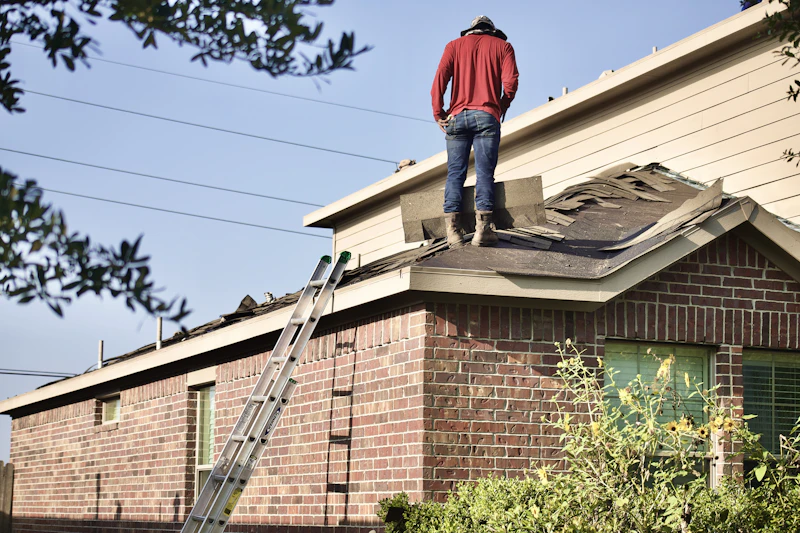
Based on Bureau of Labor Statistics wage data for the Columbus metropolitan area, roofing in Dublin costs between $2,270 and $15,460, with an average of $5,430.
Roofing Cost Breakdown — Dublin, OH
| Service/Item | Low Estimate | Average | High Estimate |
|---|---|---|---|
| Asphalt Shingles (per sq) | $110 | $160 | $240 |
| Metal Roofing (per sq) | $330 | $440 | $620 |
| Flat Roof Repair | $230 | $320 | $480 |
| Full Replacement (2,000 sq ft) | $4,140 | $5,430 | $7,580 |
| Roof Inspection | $20 | $30 | $50 |
| Gutter Installation (per ft) | $10 | $10 | $20 |
Dublin, Ohio, sits at the intersection of historic charm and rapid suburban growth—brick colonials line tree-lined streets, while new developments expand westward toward I-270. This mix shapes how roofing projects are priced and executed.
Roofs here aren’t just about shingles and flashing; they’re built to endure long, freezing winters where temperatures regularly dip to 15–25°F, sudden spring storms, and the slow creep of clay soil that can shift foundations and affect roof alignment over time. Understanding what drives roofing costs in Dublin means looking beyond materials—it’s about climate resilience, labor realities, and the local construction ecosystem.
Why Roofing Costs Vary in Dublin
Roofing in Dublin typically runs about 8% below the national average, but that doesn’t mean it’s cheap. The Bureau of Labor Statistics reports a median roofing labor rate of $20.74/hr in Ohio—competitive, but contractors here must factor in overhead from seasonal downtime, insurance in a moderate tornado-risk zone, and material transport across Central Ohio’s sprawling layout.
Contractors usually apply a markup of 20–35% on materials and labor to cover project management, permits, equipment, and warranty support. That markup isn’t padding—it’s what keeps a licensed crew on-site when issues arise post-install.
Dublin’s housing stock plays a big role too.
Many homes are brick-faced colonials or Cape Cods with steep-pitch roofs, dormers, and multiple valleys—complex designs that increase labor hours and waste factors. Homeowners may also want to compare Roofing in Cincinnati.
Basements are standard, so ventilation and moisture control in attics are critical. Vinyl siding is common, meaning roofers must carefully protect wall surfaces during tear-off and disposal.
Older homes near the historic district may have outdated decking or concealed damage under decades-old layers, driving up replacement costs once the roof is open. For a nearby comparison, check Roofing in Cleveland.
Winter conditions are a major cost driver. Persistent cold and snow—sometimes amplified by lake-effect systems drifting from Cleveland—limit the number of workable days from December through February.
Asphalt shingles require a minimum ambient temperature of 40°F for proper sealing, so crews often wait for midday sun or reschedule.
This compressed schedule pushes demand into spring and fall, creating peak pricing windows. Clay soil, prevalent in Dublin, expands and contracts with moisture changes, potentially shifting roof structures over time and requiring additional framing repairs during re-roofing.
Comparing Quotes: Budget vs. Mid-Range vs. Premium
| Feature | Budget | Mid-Range | Premium |
|---|---|---|---|
| Materials | 3-tab asphalt shingles, basic underlayment | Architectural shingles, synthetic underlayment, ice & water shield in valleys | Designer shingles, premium underlayment, full perimeter ice & water shield, enhanced ventilation |
| Warranty | 10–20 year labor, manufacturer limited materials | 20–25 year labor, transferable materials warranty | 25+ year labor, non-prorated materials, workmanship guarantee |
| Labor Quality | Subcontracted crews, minimal supervision | Dedicated crews, foreman on-site, regular check-ins | Company-owned team, project manager, daily oversight |
| Timeline | 3–5 days, may be delayed by crew availability | 4–6 days, scheduled start and completion | 5–7 days, detailed prep and cleanup, weather-buffered schedule |
| Permits & Inspections | Customer often handles permit; inspection not guaranteed | Contractor pulls permit, schedules inspection with city | Full permit management, coordination with Dublin Building Department, final sign-off provided |
| Site Protection & Cleanup | Basic tarps, debris hauled same day | Ground protection, magnetic nail sweeps, final walk-through | Full yard coverage, multiple nail sweeps, landscaping preserved, post-job cleanup verification |
Seasonal Pricing Patterns in OH
Roofing in Ohio is a game of timing. Weather doesn’t just affect when work happens—it directly impacts cost and quality. Dublin’s climate creates clear pricing cycles you can use to your advantage.
- Schedule tear-offs and installations between mid-March and mid-May or September to mid-November—these windows offer stable temperatures, lower demand, and better contractor availability.
- Avoid booking during May and June, the peak season, when crews are backlogged and pricing reflects high demand.
- Winter months (December–February) see discounted rates, but only minor repairs are feasible. Full replacements are risky due to cold-weather application limits and snow delays.
- Monitor spring storm forecasts—tornado risks in Franklin County can trigger emergency callouts with 25–50% surcharges, especially after hail events in nearby Hilliard or Upper Arlington.
- Plan inspections early in the week; Dublin’s building department processes roofing permits faster Monday–Wednesday, reducing downtime.
- Verify they pull permits and schedule inspections—ask for a copy of the permit application and inspection history from past jobs.
- Check for a valid Dublin business license and proof of workers’ compensation through the Ohio Bureau of Workers’ Compensation (BWC).
- Ask for at least three recent Dublin-area references—drive by completed projects to assess work quality.
- Ensure they carry general liability insurance with a minimum $1 million coverage and name you as additionally insured during the project.
- Review the contract: it should itemize materials, labor, timeline, cleanup, and warranty terms—no vague language.
- Require a written disposal plan—Dublin requires roofing debris to be hauled to licensed facilities like Rumpke, not dumped locally.
- Local labor rates — Dublin’s roofing labor averages 8% below the national rate, with workers earning around $20.74 per hour. This is due to a moderate cost of living, limited union presence in residential roofing, and steady but not excessive demand compared to larger metro areas.
- Seasonal demand — Roofing demand peaks in spring and early fall when dry weather allows for safe installations, while winter months see reduced activity due to snow and freezing temperatures. Contractors often charge 10–20% more during peak seasons due to scheduling congestion and higher demand.
- Project scope — A minor repair like fixing a leak or replacing a few shingles costs significantly less than a full tear-off and replacement. Larger discrepancies in estimates often come from differences in underlayment upgrades, flashing work, or hidden structural damage discovered during the job.
- Permits & inspections — Ohio doesn’t require statewide general contractor licensing, but Dublin mandates local permits for roofing work involving structural changes or full replacements. Permit fees typically range from $50 to $300, and inspections ensure compliance with city building codes, especially important in areas with clay soil expansion risks.
- Materials quality — Builder-grade asphalt shingles are common in Dublin’s older Cape Cods and brick colonials, but premium architectural shingles or ice-and-water shields cost 30–50% more. Higher-end materials are recommended due to cold winters (15–25°F) and lake-effect snow that can reach the area, increasing ice dam risks.
- Property characteristics — Two-story homes, limited roof access, or homes with complex rooflines common in Dublin’s historic neighborhoods take longer to work on, increasing labor time. Older homes with existing wood rot or outdated flashing—common in homes with basements and vinyl siding—also drive up costs.
- Emergency vs scheduled — Storm damage from high winds or tornado risks in central Ohio often leads to emergency roofing needs, with after-hours or weekend services costing 1.5 to 2 times standard rates. Scheduling during off-peak times avoids these premiums and ensures better contractor availability.
Emergency rates apply when immediate water intrusion occurs—usually after wind damage or ice dam failures in January or February.
To avoid them, maintain gutters, inspect flashing annually, and replace shingles at first signs of curling or granule loss. A $500 repair now can prevent a $12,000 emergency replacement later. Related: kitchen remodel costs in Dublin.
Hiring the Right Contractor in Dublin
Ohio doesn’t require statewide general contractor licensing, but Dublin and Columbus enforce local permit rules under the Ohio Building Code, which is based on the International Code Council (ICC) standards. See how costs compare: Roofing in Fairfield.
Roofing work requires a permit from the Dublin Building Department, and inspections are mandatory for underlayment, flashing, and final completion. While HVAC, plumbing, and electrical trades need state licenses, roofing falls to local oversight—making contractor vetting essential.
Red flags include cash-only demands, offers to skip permits, or pressure to sign same-day.
During estimates, ask: “Have you worked on brick colonial roofs in Dublin’s historic district?” and “How do you handle ice dam prevention in winter installations?” A qualified roofer will answer confidently, citing local code and site experience. Choose someone who knows Dublin’s soil shifts, weather quirks, and architectural styles—not just a crew passing through from out of state.
What Affects Roofing Costs in Dublin?
What Affects Roofing Costs in Dublin, OH?
Homeowners in Dublin, OH face several local factors that influence roofing costs. From labor rates to seasonal weather patterns, understanding these elements helps make informed decisions when planning roof repairs or replacements.
Popular Roofing Brands in Dublin
Frequently Asked Questions
How much does roofing cost in Dublin, OH?
The average roofing cost in Dublin, OH is $5,430, with prices typically ranging from $2,270 to $15,460 depending on roof size, materials, and labor. This aligns with regional labor rates, where roofers earn a mean hourly wage of $20.74 according to the U.S. Bureau of Labor Statistics (BLS). Costs can vary significantly based on whether you're replacing or repairing, and the type of shingles used. Dublin's proximity to Columbus provides access to competitive contractor pricing and material suppliers.
Why is roofing less expensive in Dublin than the national average?
Roofing in Dublin, OH tends to be less expensive than the national average due to lower labor costs, with roofers earning $20.74/hr on average (BLS data), which is below rates in higher-cost metro areas. The region also benefits from efficient material distribution networks and a competitive local market among contractors. Additionally, Dublin's relatively flat terrain and suburban layout simplify logistics and reduce overhead for roofing crews. These factors combine to keep overall project costs below the U.S. national average.
How can I save money on roofing in Dublin?
You can save money on roofing in Dublin by scheduling replacement during the off-season, such as late fall or winter, when contractors may offer discounts due to lower demand. Getting multiple bids from licensed, local contractors fosters competition and helps secure fair pricing near the $5,430 average. Choosing standard asphalt shingles instead of premium materials can also reduce costs significantly. Regular maintenance can extend your roof's life, delaying the need for costly replacements.
Do I need a permit for roofing in OH?
Yes, most roofing projects in Dublin, OH require a building permit, especially for full replacements or structural repairs. The City of Dublin's Development Services department enforces these requirements to ensure compliance with local codes and safety standards. Permits are typically obtained by your licensed contractor, who will coordinate inspections as needed. Failure to secure a permit can result in fines or complications when selling your home.
How long does roofing take in Dublin?
A typical roof replacement in Dublin takes 1 to 3 days, depending on the size and complexity of the roof, as well as weather conditions. Smaller homes with straightforward designs may be completed in a single day, while larger or multi-story homes can take longer. Delays may occur during rainy or cold seasons, which are common in central Ohio. Hiring an experienced local contractor helps ensure efficient scheduling and adherence to timelines.
What warranty should I expect from a roofing contractor?
In Dublin, you should expect at least a 5-year labor warranty from a reputable roofing contractor, with some offering up to 10 years depending on the company and materials used. Manufacturer warranties on shingles typically range from 25 to 50 years and cover defects in materials. Always verify that the warranty covers both materials and workmanship, and ensure it's transferable if you plan to sell your home. Warranties should be provided in writing and reflect compliance with local standards.
What's the best time of year for roofing in Dublin?
The best time for roofing in Dublin is late spring through early fall, particularly May to September, when weather is more predictable and temperatures support proper shingle adhesion. Scheduling during this window minimizes delays due to rain or freezing conditions common in winter. Contractors are often busiest during these months, so booking early ensures availability before storm season increases demand. This timing also allows for thorough inspections and repairs before harsh winter weather arrives.
