How Much Does Plumbing Cost in Cleveland, OH?
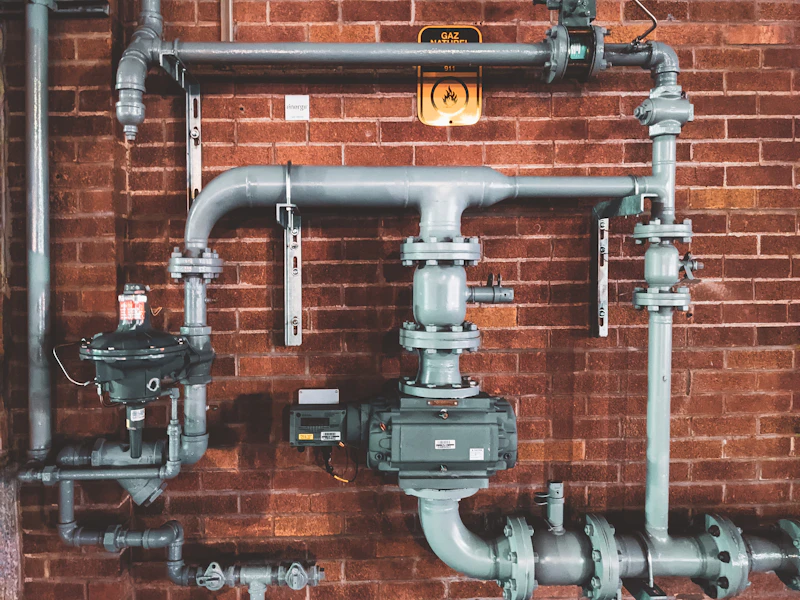
Based on Bureau of Labor Statistics wage data for the Cleveland-Elyria metropolitan area, plumbing in Cleveland costs between $80 and $3,290, with an average of $330.
Plumbing Cost Breakdown — Cleveland, OH
| Service/Item | Low Estimate | Average | High Estimate |
|---|---|---|---|
| Faucet Repair/Replace | $90 | $120 | $180 |
| Toilet Repair | $80 | $110 | $190 |
| Water Heater Install | $1,060 | $1,370 | $1,880 |
| Drain Cleaning | $50 | $70 | $110 |
| Pipe Leak Repair | $130 | $190 | $290 |
| Sewer Line Repair | $1,500 | $2,020 | $2,910 |
Complete Guide to Plumbing in Cleveland
Cleveland’s harsh winters don’t just test your furnace—they put relentless pressure on your plumbing. With average winter lows between 15°F and 25°F and frequent lake-effect snow dumping over 100 inches in some neighborhoods like Lakewood and Euclid, frozen pipes are a real threat. Add in expansive clay soils that swell and contract with moisture changes, and it’s no surprise that slab shifts and sewer line breaks are common, especially in older homes in Ohio City, Tremont, and the near west side.
Most homes here are brick colonials or Cape Cods built before 1970, many with full basements and galvanized steel or cast iron plumbing that’s nearing or past its lifespan. Vinyl siding is widespread, but behind those walls, outdated systems can hide costly issues. Tornado risk, while lower than in other parts of Ohio, still means sudden storm damage can compromise exterior plumbing and sump pumps—critical in a city where basements are standard and groundwater rises in spring.
Plumbing costs in the Cleveland-Elyria metro run about 8% below national averages, thanks to lower overhead and competitive local labor. But don’t mistake affordability for simplicity. Replacing a water heater in a tight basement corner or rerouting a sewer line through frozen, clay-heavy soil in February demands skill and planning.
Older homes often have asbestos insulation near pipes or knob-and-tube wiring in walls, requiring extra caution. Municipal codes in Cleveland, Lakewood, and Parma also mandate permits for most plumbing work, and inspections are routine—especially for gas line connections or sewer taps. Knowing these local realities helps you budget accurately and avoid delays.
Material and Labor Cost Breakdown
In Cleveland, plumbing jobs typically split 60% labor and 40% materials, though complex repairs with high-end fixtures can shift that balance. The Bureau of Labor Statistics reports a median wage of $27.00/hr for plumbers in this region, but what you pay isn’t just hourly wages. Homeowners may also want to compare Plumbing in Cincinnati.
That rate covers insurance, tools, vehicle maintenance, and licensing—contractors must be registered with the Ohio Construction Industry Licensing Board (OCILB) if doing work over $500. Most reputable firms apply a modest markup to cover these operational costs, not to inflate profits. You’ll see this in jobs like repiping a bathroom or installing a new sump pump system, where labor intensity drives the final price. For a nearby comparison, check Plumbing in Columbus.
The gap between the lowest and highest estimates often comes down to scope, not markup. A $80 quote might cover only a faucet cartridge replacement with existing supply lines intact. Homeowners may also want to compare roofing costs in Cleveland.
A $3,290 estimate could include slab excavation for a burst pipe, new PEX rerouting through finished walls, drywall repair, and flooring patchwork. Other factors widening the range: discovery of black mold behind wet walls, need for city permits, or upgrading outdated ½-inch supply lines to modern ¾-inch for better pressure. Always ask what’s excluded—some bids assume clean access, dry conditions, and no code upgrades needed.
Timeline and Scheduling Considerations
Timing your plumbing work in Northeast Ohio isn’t just convenient—it can save you money and prevent emergencies. Winters are the worst time for pipe failures, but also the busiest for contractors.
Scheduling major work in late spring or early fall avoids snow delays and frozen ground, which complicates sewer line repairs. Here are key timing tips:
- Schedule water heater replacements in May or September—avoid December through February when demand spikes and response times slow due to storm backlog.
- Inspect sump pumps and backup systems by March; spring thaw in Cuyahoga County often overwhelms basements, especially near the Cuyahoga River floodplain.
- Plan sewer line inspections in summer when clay soil is dry and less likely to collapse during camera runs or trenchless repairs.
- Address dripping faucets or minor slab leaks before November; even a small freeze can turn a pinhole leak into a burst pipe under your foundation.
- Book annual plumbing checkups during off-peak months—contractors may offer discounts for pre-winter evaluations in October.
- Local labor rates — Cleveland’s average hourly wage for plumbers is $27.00, about 8% below the national average, according to the Bureau of Labor Statistics. This reflects the region’s lower cost of living, a moderate union presence, and stable demand compared to larger metropolitan areas.
- Seasonal demand — Winter months (December–February) see peak demand due to frozen or burst pipes from frequent sub-25°F temperatures and lake-effect snow. Emergency repairs during this period can carry a 10–20% premium over off-peak seasons like late spring or early fall.
- Project scope — A simple faucet replacement differs drastically in cost from a full sewer line or water main replacement. The gap in estimates often comes from hidden damage, pipe accessibility, and whether work requires demolition in brick walls or concrete basements common in local homes.
- Permits & inspections — While Ohio doesn’t license general contractors statewide, plumbing work requires a state-licensed professional and local permits in most Cleveland-area municipalities. Permit fees typically range from $50 to $300, depending on project complexity and jurisdiction, and inspections help ensure compliance with local codes.
- Materials quality — Choosing between builder-grade PVC and premium PEX-A or copper piping can result in a 30–50% difference in material costs. In Cleveland’s clay-heavy soil, which expands and contracts with freeze-thaw cycles, higher-grade materials resist shifting and cracking better over time.
- Property characteristics — Older brick colonials and Cape Cods dominate Cleveland neighborhoods and often have narrow crawl spaces, deep basements, or multi-level layouts that complicate access. These features increase labor time and, consequently, overall plumbing costs compared to newer, single-story homes with open framing.
- Emergency vs scheduled — After-hours, weekend, or holiday service—common during sudden pipe freezes in January—can cost 1.5 to 2 times the standard rate. Scheduling non-urgent work during business hours in milder months helps avoid these premiums.
Emergency rates apply after hours, weekends, or during snow emergencies when access is difficult. You’ll pay more for a 2 a.m. Related: hvac costs in Cleveland.
frozen pipe call in January—but you can avoid it by insulating exposed lines in basements and crawl spaces, especially in older homes with partial foundation gaps. Know your service area: contractors in eastern suburbs like Willoughby may charge more for city-wide calls during heavy snow. See how costs compare: Plumbing in Mason.
Protecting Yourself: Warranties and Guarantees
Every plumbing job in Ohio should come with two warranties: one for labor, another for materials. Labor warranties in Cleveland typically cover 1 to 2 years on repairs and up to 5 years on full installations—ask for this in writing.
Material warranties come from manufacturers but require proper installation to remain valid. If a new toilet leaks because of a poor wax ring fit, the flange isn’t covered. Always verify that your contractor carries liability insurance and is bonded—Ohio law doesn’t require bonding for plumbing licenses under $25,000, but reputable firms provide it for trust and protection.
Before work begins, get a written agreement that includes: scope of work, materials to be used (brand, type, size), timeline, permit responsibility, and cleanup expectations. In Cleveland, where older homes often need unexpected fixes, a clear contract prevents disputes over change orders.
Confirm that permits will be pulled for work involving gas lines, water service upgrades, or sewer connections—city inspectors in Cleveland and surrounding suburbs routinely check compliance. Never pay in full upfront; a 30% deposit is standard, with the balance due after inspection and testing. Keep copies of all documents—your protection starts with paper, not promises.
What Affects Plumbing Costs in Cleveland?
What Affects Plumbing Costs in Cleveland?
Homeowners in the Cleveland-Elyria metro area face unique factors that influence plumbing repair and installation costs. From harsh winters to aging housing stock, local conditions play a major role in pricing. Below are the key factors affecting plumbing expenses in Northeast Ohio.
Popular Plumbing Brands in Cleveland
Frequently Asked Questions
How much does plumbing cost in Cleveland, OH?
The average plumbing cost in Cleveland, OH is $330, with prices typically ranging from $80 to $3,290 depending on the job's complexity. Labor rates average around $27.00 per hour, based on Bureau of Labor Statistics (BLS) data for the Cleveland-Elyria metro area. Common services like leak repairs or faucet installations fall on the lower end, while major repairs such as sewer line replacement can reach the higher end of the range. These costs are generally lower than the national average due to the region's lower cost of living.
Why is plumbing less expensive in Cleveland than the national average?
Plumbing in Cleveland is less expensive than the national average primarily due to a lower cost of living and reduced overhead for contractors. According to the Bureau of Labor Statistics (BLS), hourly wages for plumbers in the Cleveland-Elyria metro area average $27.00, below the national mean. This translates to lower labor costs for homeowners. Additionally, local market competition and relatively stable demand help keep service rates affordable.
How can I save money on plumbing in Cleveland?
You can save money on plumbing in Cleveland by scheduling repairs early before minor issues become costly emergencies. Regular maintenance, such as drain cleaning and leak inspections, helps avoid expensive sewer or water damage repairs. Getting multiple quotes from licensed contractors ensures competitive pricing, especially since labor averages $27.00/hr per BLS data. Also, bundling services like water heater inspection with other plumbing work may reduce overall labor charges.
Do I need a permit for plumbing in OH?
Yes, most plumbing work in Ohio requires a permit, especially for new installations, water heater replacements, or sewer line repairs. Permits ensure work meets state and local building codes and are typically obtained by licensed contractors. Homeowners doing their own work must also secure permits through their local building department. Failure to obtain a permit can result in fines or complications when selling the home.
How long does plumbing take in Cleveland?
Most standard plumbing jobs in Cleveland, such as fixing a leak or installing a fixture, take 1 to 3 hours to complete. Larger projects like repiping a bathroom or replacing a water heater may take 1 to 2 days. Factors like pipe access, building age, and permit requirements can influence timelines. Contractors typically provide estimates based on local conditions and labor rates averaging $27.00/hr (BLS data).
What warranty should I expect from a plumbing contractor?
Most reputable plumbing contractors in Cleveland offer a warranty of 1 to 2 years on labor, while manufacturer warranties typically cover parts and fixtures. Some companies may offer extended labor warranties for water heaters or sump pumps, especially with new installations. Always ask for the warranty terms in writing before work begins. Given the average hourly rate of $27.00 (BLS), warranties help protect your investment against premature failures.
What's the best time of year for plumbing in Cleveland?
The best time for plumbing work in Cleveland is late spring through early fall, when weather is stable and contractors are more readily available. Winter months often bring frozen pipes and heating-related emergencies, increasing demand and wait times. Scheduling non-urgent repairs during off-peak seasons may result in faster service and better scheduling flexibility. With average labor at $27.00/hr (BLS), planning ahead avoids costly emergency rates during harsh weather.
