How Much Does Flooring Installation Cost in Tampa, FL?
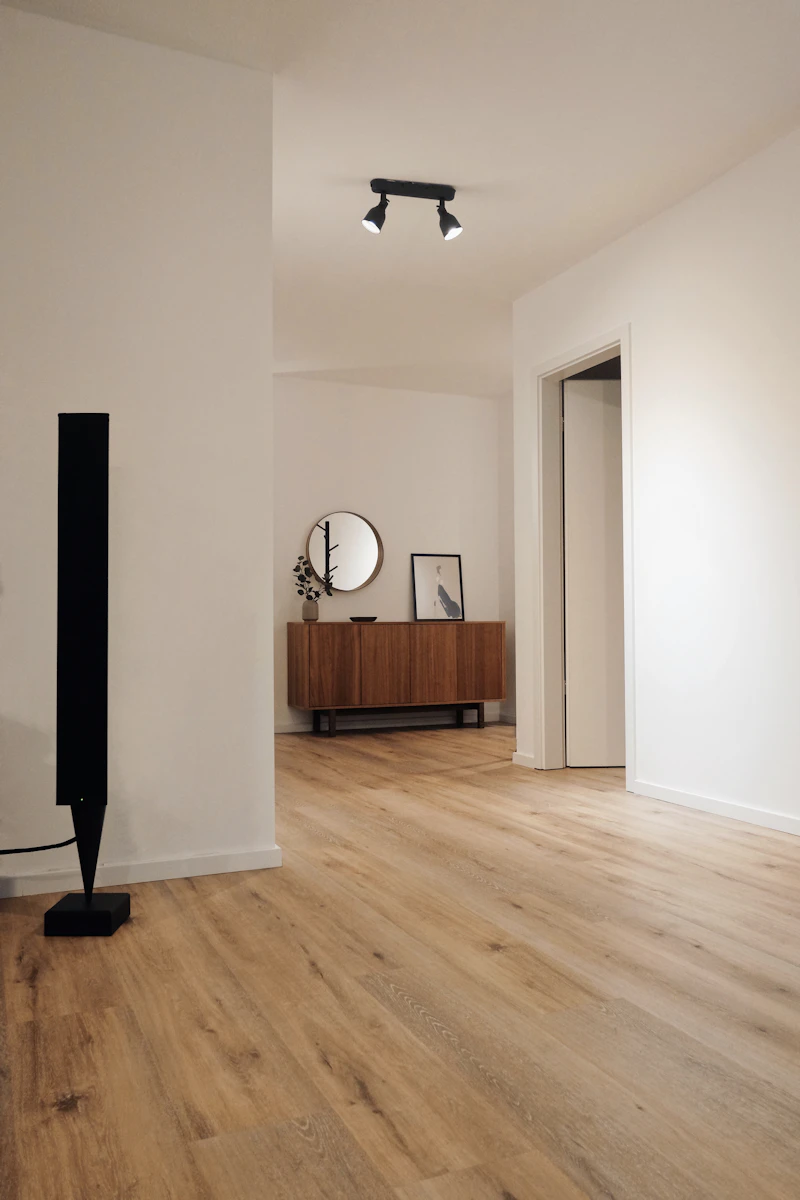
Based on Bureau of Labor Statistics wage data for the Tampa-St. Petersburg-Clearwater metropolitan area, flooring installation in Tampa costs between $550 and $7,400, with an average of $2,150.
Flooring Installation Cost Breakdown — Tampa, FL
| Service/Item | Low Estimate | Average | High Estimate |
|---|---|---|---|
| LVP Install (per 200 sq ft) | $630 | $860 | $1,260 |
| Hardwood Install (per 200 sq ft) | $1,510 | $1,990 | $2,800 |
| Tile Install (per 200 sq ft) | $1,260 | $1,720 | $2,520 |
| Carpet Install (per 200 sq ft) | $510 | $690 | $1,010 |
| Subfloor Repair | $390 | $560 | $870 |
| Hardwood Refinishing (per 200 sq ft) | $350 | $520 | $860 |
| Flooring Type | Material Cost (per sq ft) | Installation Cost (per sq ft) | Labor Rate (avg) | Time to Complete (avg) |
|---|---|---|---|---|
| Tile (Ceramic) | $2.50 – $6.00 | $5.00 – $10.00 | $23.04/hr | 2–4 days |
| Tile (Porcelain) | $4.00 – $10.00 | $6.00 – $14.00 | $23.04/hr | 3–5 days |
| Hardwood (Engineered) | $3.50 – $9.00 | $4.50 – $9.00 | $23.04/hr | 3–6 days |
| Laminate | $2.00 – $5.00 | $2.50 – $6.00 | $23.04/hr | 1–3 days |
| LVP (Luxury Vinyl Plank) | $3.00 – $7.00 | $3.50 – $8.00 | $23.04/hr | 2–4 days |
The Tampa Flooring Installation Market in 2026
Tampa’s flooring market is operating at near-peak capacity, driven by steady population growth, coastal migration, and a surge in both new construction and renovation activity. Demand for flooring upgrades remains high across Hillsborough, Pinellas, and Pasco counties, especially in neighborhoods like Seminole Heights, South Tampa, and St.
Petersburg’s Old Northeast. Contractor availability is tight—reliable crews are often booked 4 to 6 weeks out, particularly for tile and hardwood installations.
The local economy plays a direct role in pricing. With tourism, healthcare, and defense sectors strong, disposable income supports home improvement spending.
However, rising insurance premiums and property taxes are pushing some homeowners toward cost-effective upgrades like LVP and laminate instead of high-end tile or solid hardwood. The housing market’s sustained activity keeps labor rates stable near the BLS-reported $23.04/hr average, though specialized craftsmen charge premium rates for intricate inlays or moisture-resistant subfloor prep.
Trends in 2026 favor durability and water resistance. LVP dominates new installations in coastal areas and homes with screened-in pools, where humidity and sand tracking are constant concerns.
Porcelain tile in wood-look and concrete finishes is rising in popularity for its hurricane resilience and low maintenance. Smart underlayment systems that monitor moisture—critical in Florida’s humid climate—are being bundled more frequently, especially in stilt homes and ground-level condos.
How Local Housing Stock Affects Your Costs
The age and construction type of your home in the Tampa metro directly impact flooring installation complexity and cost.
Homes built before 1980, especially in historic districts like Ybor City or Old Seminole Heights, often have uneven wood subfloors, knob-and-tube wiring, or asbestos-containing adhesives under old linoleum. These require abatement, leveling, or structural repairs before new flooring can go down—adding days to the timeline and increasing labor exposure.
Concrete block (CBS) construction is standard across the region, especially in post-1995 builds. Homeowners may also want to compare Flooring Installation in Miami.
CBS homes typically have slab-on-grade foundations, which simplify tile and LVP installation but complicate subfloor modifications. Moisture vapor transmission is a persistent issue, so vapor barriers or epoxy sealants are often required—particularly in garages, pool rooms, or enclosed lanais. For a nearby comparison, check plumbing costs in Tampa.
Coastal properties on stilts—common in Tierra Verde, Madeira Beach, and Indian Shores—present unique challenges. Elevated homes with wood-framed floors may require structural reinforcement before heavy tile installations.
Engineers often mandate load calculations, and contractors must account for sway and humidity expansion. These homes also see higher rates of subfloor rot due to salt air infiltration, requiring full decking replacement in some cases.
Stucco exteriors and flat or low-slope roofs contribute to water intrusion risks.
When leaks go undetected, they compromise subfloors and lead to mold—especially under impermeable materials like vinyl or laminate. Newer homes, while structurally sound, often use engineered trusses and thinner subflooring to cut costs, which may need additional bracing for heavy stone or tile.
Screened-in pools and lanais are nearly universal in Tampa-area homes.
These spaces frequently transition from indoor to outdoor flooring, requiring careful threshold treatment and expansion gaps. Installers must account for thermal movement and drainage, especially when matching interior LVP to outdoor pavers.
Permits, Codes, and Regulations in FL
In Florida, flooring installation that involves structural changes, subfloor replacement, or removal of regulated materials requires a permit issued under the Florida Building Code (FBC).
While cosmetic overlay work may not always need approval, any job exceeding $500 in value typically does. The FBC is stricter than the International Residential Code, particularly regarding moisture barriers, load distribution, and windborne debris zones.
Contractors must be licensed through the Department of Business and Professional Regulation (DBPR). Unlicensed work voids insurance coverage and can lead to fines up to $5,000 per violation.
Within one mile of the coastline—including all of Tampa Bay’s barrier islands—hurricane-rated materials and installation methods are mandatory. This includes adhesive specifications for tile and fastening requirements for wood flooring in high-wind zones.
Permit costs in Hillsborough County range from $75 to $250 depending on project scope and square footage.
Processing takes 5 to 10 business days, and inspections are required at rough-in and final stages. Pinellas and Pasco counties follow similar timelines but may require additional floodplain documentation for stilt homes.
Skipping permits risks severe consequences. Unpermitted work can trigger penalties during resale, including forced removal or retroactive permitting with fees and interest.
Insurance claims related to water damage or structural failure may be denied if flooring modifications were not inspected. Title companies often flag unpermitted projects, delaying closings or reducing appraised value. See how costs compare: hvac costs in Tampa.
Getting the Best Value on Flooring Installation
Value in Tampa’s flooring market comes from timing, bundling, and informed negotiation—not just chasing the lowest bid.
Contractors are more flexible on pricing during hurricane season (June to November), when storm prep reduces demand. Scheduling in late September or October, after peak summer renovations but before the holiday rush, can yield discounts of 10–15% on labor.
Negotiation works best when you’ve done your homework.
Contractors respect homeowners who understand FBC requirements and can speak confidently about subfloor prep or moisture testing. Offering to supply materials yourself—especially if you have trade access—can reduce costs, but ensure the installer warranties the work regardless.
Bundling delivers real savings. Combine flooring with related projects like baseboard replacement, threshold upgrades, or pool cage rescreening.
Many flooring crews also handle minor electrical adjustments or HVAC vent relocation, avoiding multiple permit fees and reducing overall disruption. In coastal homes, pairing flooring installation with a moisture barrier or encapsulation system can prevent future damage and may qualify for insurance premium discounts.
Choose installers with local experience—not just general flooring contractors.
Those familiar with Tampa’s soil movement, humidity levels, and code enforcement patterns will build in the right allowances for expansion, vapor barriers, and adhesion. That foresight prevents callbacks and protects your investment far better than a slightly lower upfront price.
What Affects Flooring Installation Costs in Tampa?
What Affects Flooring Installation Costs in Tampa?
Homeowners in the Tampa-St. Petersburg-Clearwater metro face unique factors that influence flooring installation costs, from subtropical weather to local labor trends. Understanding these elements helps you budget accurately and choose the right materials and timing for your project.
- Local labor rates — Tampa’s average hourly wage for flooring installers is $23.04, about 2% below the national average. This is due to lower overall cost of living and limited union presence, though high demand during hurricane prep season can tighten labor availability.
- Seasonal demand — Peak flooring installation months run from October to May, avoiding the summer rainy and hurricane season. Contractors often charge 10–20% more during this high-demand window due to scheduling pressure and storm-related prep work.
- Project scope — Costs vary significantly between repairing water-damaged subfloors and full tear-outs with moisture barrier upgrades. Larger jobs often include disposal fees, mold remediation, or termite treatment—common needs in older homes with persistent humidity issues.
- Permits & inspections — Florida requires licensed contractors (DBPR-registered) for most flooring work involving structural or moisture protection changes. If your home is within one mile of the coast, hurricane-rated underlayment and fastening systems are mandatory, with permit fees typically ranging from $50 to $300.
- Materials quality — Builder-grade vinyl or laminate may cost 30–50% less than premium waterproof luxury vinyl plank (LVP), porcelain tile, or marine-grade engineered hardwood. In coastal areas like St. Pete Beach or Clearwater, salt air and humidity make moisture-resistant, corrosion-proof materials essential for longevity.
- Property characteristics — Older concrete block (CBS) homes often require slab prep or crack suppression, while stilt homes on barrier islands need material transport challenges factored in. Multi-story condos in downtown Tampa or waterfront areas may involve elevator access fees or added labor for hauling debris.
- Emergency vs scheduled — After a storm or plumbing leak, emergency flooring repairs can cost 1.5 to 2 times standard rates, especially on weekends or holidays. Proactive scheduling avoids after-hours premiums and ensures compliance with local moisture testing protocols before installation.
Popular Flooring Installation Brands in Tampa
Frequently Asked Questions
How much does flooring installation cost in Tampa, FL?
The average cost of flooring installation in Tampa, FL is $2,150, with prices typically ranging from $550 to $7,400 depending on materials, labor, and project size. Labor rates average $23.04 per hour, according to the U.S. Bureau of Labor Statistics (BLS), which contributes to the overall affordability in the region. Costs can vary significantly based on flooring type—such as tile, hardwood, or luxury vinyl—and the complexity of subfloor preparation required.
Why is flooring installation less expensive in Tampa than the national average?
Flooring installation in Tampa tends to be less expensive than the national average due to lower labor costs, with BLS reporting an hourly rate of $23.04 for flooring installers in the area. The competitive local market and high number of skilled contractors in the Tampa-St. Petersburg-Clearwater metro help keep prices in check. Additionally, the region's access to imported materials through nearby ports can reduce material costs, further contributing to lower overall project expenses.
How can I save money on flooring installation in Tampa?
You can save money on flooring installation in Tampa by scheduling during off-peak seasons, such as late summer or early fall, when contractors may offer discounts due to lower demand. Choosing locally available or less labor-intensive materials like luxury vinyl plank can reduce both material and labor costs, which average $23.04/hr per BLS data. Getting multiple quotes and bundling projects—like replacing flooring in multiple rooms—can also lead to volume discounts from contractors.
Do I need a permit for flooring installation in FL?
In Florida, flooring installation typically does not require a permit if it does not involve structural changes, electrical work, or plumbing modifications. However, if your project includes subfloor repairs or modifications that affect building codes, local jurisdictions in the Tampa area may require a permit. Always check with your city or county building department to confirm requirements, as rules can vary between municipalities like Tampa, St. Petersburg, and Clearwater.
How long does flooring installation take in Tampa?
Most flooring installations in Tampa take between 1 to 3 days, depending on the size of the area and type of flooring. Simple installations like vinyl plank in a single room may be completed in a day, while larger or more complex jobs involving tile or hardwood in multiple rooms can take up to three days. Delays can occur due to subfloor repairs or acclimation requirements for materials, especially in Tampa's humid climate.
What warranty should I expect from a flooring installation contractor?
Reputable flooring installation contractors in Tampa typically offer a 1- to 5-year labor warranty covering workmanship issues like lifting, cracking, or improper seams. The manufacturer usually provides a separate warranty for the flooring material, which can range from 10 years to a lifetime depending on the product. Always request warranty details in writing and confirm what is covered, as terms vary by contractor and product—especially important given the region's humidity and potential for moisture-related issues.
What's the best time of year for flooring installation in Tampa?
The best time for flooring installation in Tampa is during the drier months from November to April, when humidity levels are lower and rainfall is less frequent. This helps materials like hardwood and engineered wood properly acclimate and reduces the risk of moisture-related issues during installation. Contractors may also be more available during this period compared to hurricane season, and some offer seasonal discounts due to higher demand in the spring home-selling market.
