How Much Does Roofing Cost in Riverside, CA?
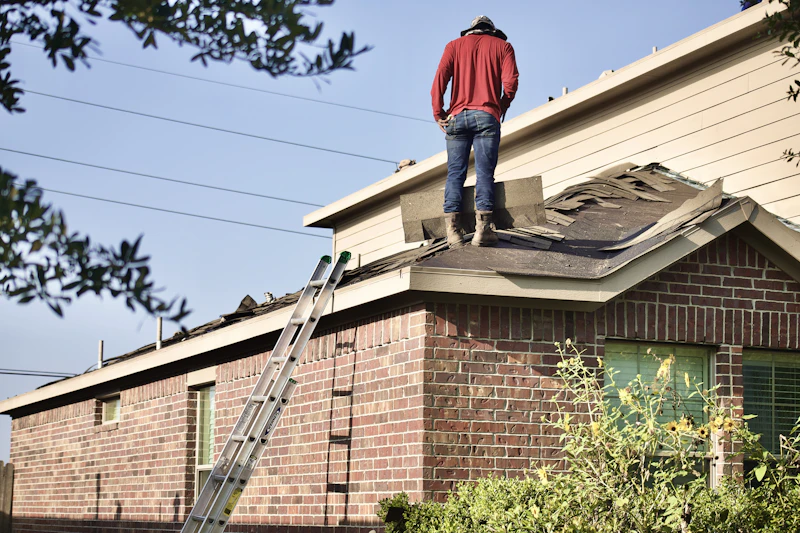
Based on Bureau of Labor Statistics wage data for the Riverside-San Bernardino-Ontario metropolitan area, roofing in Riverside costs between $2,370 and $16,700, with an average of $5,760.
Roofing Cost Breakdown — Riverside, CA
| Service/Item | Low Estimate | Average | High Estimate |
|---|---|---|---|
| Asphalt Shingles (per sq) | $130 | $180 | $280 |
| Metal Roofing (per sq) | $350 | $470 | $680 |
| Flat Roof Repair | $250 | $360 | $550 |
| Full Replacement (2,000 sq ft) | $4,340 | $5,760 | $8,200 |
| Roof Inspection | $20 | $40 | $70 |
| Gutter Installation (per ft) | $10 | $10 | $20 |
Is It Time for Roofing? Warning Signs
In Riverside’s inland climate, where summer temperatures regularly climb past 100°F and seasonal Santa Ana winds carry wildfire ash across neighborhoods from Moreno Valley to Corona, your roof endures extreme stress. These conditions accelerate wear on asphalt shingles, degrade sealants, and increase the risk of ember intrusion during fire season.
Add in the region’s moderate seismic activity—requiring many homes to meet updated retrofitting standards—and it’s clear that timing your roofing project isn’t just about cost. It’s about resilience.
The ideal window for roofing in Riverside is late fall through early spring. During these months, daytime highs are in the 60s and 70s, reducing heat stress on crews and materials.
Roofing adhesives cure more evenly, and the risk of fire-related work stoppages drops significantly. Summer installations, while possible, come with complications: extreme heat slows productivity, increases safety risks, and can void some material warranties if applied above recommended temperatures.
- Schedule inspections every spring and fall—especially after wildfire season or heavy wind events common in the Box Springs Mountains corridor.
- Replace roofs showing granule loss in gutters or blistering shingles, both accelerated by Riverside’s intense UV exposure.
- Address flashing damage immediately, particularly around chimneys and vents, where thermal expansion from daily 30-degree temperature swings causes premature failure.
- Consider seismic retrofitting upgrades during re-roofing, especially in older neighborhoods like Woodcrest or La Sierra, where homes may not meet current lateral force requirements.
- Watch for interior signs: attic heat buildup in summer or visible daylight through sheathing indicates urgent repair needs.
- Local labor rates — Labor in Riverside averages 25% higher than the national norm, with roofers earning around $28.17/hr according to BLS data. This reflects the region’s elevated cost of living, strong union presence in construction trades, and consistent demand due to frequent roof wear from intense sun and wildfire-related damage.
- Seasonal demand — Roofing demand peaks in late spring and early summer before the hottest inland temperatures and fire season intensify. Contractors often charge 10–20% more during these high-demand months, while scheduling in fall or winter can yield better availability and pricing.
- Project scope — A minor repair for wind-lifted shingles or flashing damage costs significantly less than a full tear-off and replacement. The wide range in estimates often reflects differences in hidden structural damage, underlayment upgrades, or ventilation improvements—common in older homes across Riverside’s established neighborhoods.
- Permits & inspections — California law requires a CSLB-licensed contractor for any roofing job over $500. All re-roofs must comply with Title 24, the nation’s strictest energy code, which may require radiant barriers or cool roofing materials—impacting both material selection and HVAC system sizing. Permit fees typically range from $50 to $300 depending on project size.
- Materials quality — Builder-grade asphalt shingles cost noticeably less than premium architectural shingles, clay tile, or fire-resistant composite materials. In wildfire-prone areas like Riverside County, many homeowners opt for Class A fire-rated materials, which carry a 30–50% price premium but offer better protection and insurance benefits.
- Property characteristics — Ranch-style homes and mid-century builds with low-slope roofs are common and typically cheaper to work on. However, Spanish-style homes with tile roofs, stucco walls, and multiple stories—prevalent in neighborhoods like Woodcrest or Canyon Crest—require more labor, scaffolding, and careful material handling, increasing overall costs.
- Emergency vs scheduled — Storm damage or sudden leaks often require emergency service, especially during Santa Ana wind events or monsoon season. Emergency or after-hours work can cost 1.5 to 2 times the standard rate, with weekend or holiday call-outs adding further premiums.
Emergency rates typically apply when storm damage, sudden leaks, or fire-related evacuations force last-minute work. These surcharges stem from after-hours labor, expedited material delivery, and insurance claim pressures.
To avoid them, act early.
If your roof is nearing the end of its lifespan—common at 15–20 years for 3-tab shingles in this climate—plan the replacement proactively. Waiting for a monsoonal downpour or ember event from the nearby Cleveland National Forest means paying premium rates and facing contractor shortages.
What Drives Price Differences Between Contractors
Roofing costs in Riverside reflect a mix of labor economics, material logistics, and regional risk factors. Homeowners may also want to compare Roofing in Los Angeles.
While the Bureau of Labor Statistics reports a median wage of $28.17/hr for roofers nationally, local contractors often operate at a premium due to higher insurance, licensing, and compliance costs tied to California’s strict building codes.
Contractors serving the Inland Empire typically apply a 35–50% markup on labor and materials to cover overhead, equipment, and risk mitigation—especially for wildfire-resistant Class A assemblies or seismic tie-down systems. For a nearby comparison, check Roofing in Anaheim.
Riverside’s housing stock adds complexity. Spanish-style homes in Arlington Heights with clay tile roofs require specialized handling and scaffolding, increasing labor hours. Homeowners may also want to compare kitchen remodel costs in Riverside.
Ranch homes in Eastvale with low-slope designs need enhanced underlayment for water resistance during rare but intense rain events.
Mid-century modern homes in Canyon Crest often feature flat or exposed beam roofs that demand custom flashing and drainage solutions. Even newer tract developments in Jurupa Valley use lightweight asphalt but still require ember-resistant vents to comply with Chapter 7A wildfire codes.
These variables mean two seemingly identical 2,000 sq ft homes can have vastly different quotes. One contractor may bid low on materials but skimp on ice and water shield coverage.
Another may include full drip edge, ridge venting, and attic ventilation required by Riverside County’s energy code but not by neighboring jurisdictions. Always verify that bids include tear-off, disposal, underlayment type, and compliance with local fire and seismic standards—not just square footage pricing.
Financing Options for Roofing in CA
Most roofing contractors in Riverside offer in-house payment plans, typically structured as 10–20% down with the balance due upon completion.
Some partner with lenders like Hearth or GreenSky to provide 6- to 12-month no-interest financing if paid in full within the term. These options help homeowners avoid draining savings, especially when replacing roofs damaged by fire or storm.
Home equity lines of credit (HELOCs) remain a strong choice for larger projects, particularly when bundling roofing with attic insulation or solar readiness upgrades.
Interest is often tax-deductible, and rates are lower than personal loans. Personal loans from credit unions like SchoolsFirst FCU or Patelco Credit Union offer fixed rates and predictable payments, ideal for those without home equity.
0% financing can make sense when timed with manufacturer promotions—especially for Class 4 impact-resistant shingles or solar-integrated systems.
But beware of deferred interest clauses: if the balance isn’t paid by the end of the term, all interest accrues from day one.
Financing is most advantageous when it prevents emergency borrowing or allows upgrades that increase home value and energy efficiency, such as radiant barrier decking or Class A fire-rated materials required in high-risk zones near the Box Springs Reserve. Related: bathroom remodel costs in Riverside.
How to Avoid Overpaying in Riverside
Smart homeowners in the Inland Empire know that timing and negotiation can reduce roofing costs without sacrificing quality. See how costs compare: Roofing in Long Beach.
The slowest months for roofing—January and February—often bring contractor discounts of 5–10% as crews seek steady work. Scheduling during this window gives you leverage and better availability.
Negotiation works best when you have multiple detailed bids. Focus on scope, not just price.
Ask if the contractor will match a competitor’s inclusion of synthetic underlayment or ridge venting. Many will absorb small costs to win the job. Avoid the lowest bid if it omits tear-off, uses inferior flashing, or skips attic ventilation—common corners cut in tract home re-roofs.
Bundling delivers real savings. Combine your roof replacement with gutter cleaning, attic insulation (especially important for energy efficiency in Riverside’s long summers), or solar panel mounting prep.
Contractors save on mobilization and scaffolding, passing some savings to you. Some even offer discounts for coordinating with HVAC replacements, since both require attic access and roof penetration work.
Finally, verify licensing through the CSLB and check for local references—especially in neighborhoods with similar architecture. A contractor experienced with stucco parapets on Spanish-style homes or flat roof membranes in mid-century builds will waste less time and materials, reducing your overall cost.
What Affects Roofing Costs in Riverside?
What Affects Roofing Costs in Riverside?
Homeowners in the Riverside-San Bernardino-Ontario metro face unique factors that influence roofing costs, from local labor rates to climate extremes and building codes. Understanding these variables helps ensure you get accurate, fair pricing for your project.
Popular Roofing Brands in Riverside
Frequently Asked Questions
How much does roofing cost in Riverside, CA?
The average cost of roofing in Riverside, CA is $5,760, with prices typically ranging from $2,370 to $16,700 depending on roof size, materials, and labor. This reflects local market conditions in the Riverside-San Bernardino-Ontario metro area. Labor rates average $28.17 per hour according to the U.S. Bureau of Labor Statistics (BLS), contributing significantly to overall project costs.
Why is roofing more expensive in Riverside than the national average?
Roofing in Riverside can be higher than the national average due to regional labor costs, with roofers earning $28.17/hour (BLS data), above the U.S. median. Additional factors include material transportation costs, local building codes, and demand fluctuations in the Inland Empire region. Climate conditions like intense sun and occasional heavy rains also require durable, often more expensive, materials.
How can I save money on roofing in Riverside?
You can save money by scheduling roof replacement during the off-season, such as late fall or early winter, when contractors may offer lower rates due to reduced demand. Choosing cost-effective materials like asphalt shingles and getting multiple bids can also help control costs. Avoiding roof replacements during peak summer heat can reduce labor complications and potential material waste.
Do I need a permit for roofing in CA?
Yes, most roofing projects in California, including repairs and replacements, require a building permit from your local city or county jurisdiction. Permits ensure work complies with state and local building codes, especially for fire resistance and structural safety in the Riverside area. Your licensed contractor should handle permit applications and inspections.
How long does roofing take in Riverside?
A typical roof replacement in Riverside takes 2 to 5 days for an average-sized home, depending on complexity, weather, and material type. Simpler asphalt shingle roofs can be completed faster, while tile or custom designs may take longer. Delays can occur during summer heatwaves, so scheduling during milder months improves efficiency.
What warranty should I expect from a roofing contractor?
A reputable roofing contractor in Riverside should offer a labor warranty of 2 to 5 years, covering workmanship, in addition to manufacturer warranties on materials, which can range from 10 to 50 years. Always get warranty terms in writing and verify what is covered, such as leaks or installation defects. Warranties may vary based on product type, like composite shingles versus tile.
What's the best time of year for roofing in Riverside?
The best time for roofing in Riverside is late fall to early winter, typically November through February, when temperatures are cooler and rainfall is minimal, reducing heat stress on crews and materials. Avoiding summer months prevents complications from extreme heat, which can affect shingle installation and worker safety. This off-peak period may also lead to contractor discounts. According to BLS data, consistent labor availability supports timely project completion during these months.
