How Much Does Roofing Cost in Sacramento, CA?
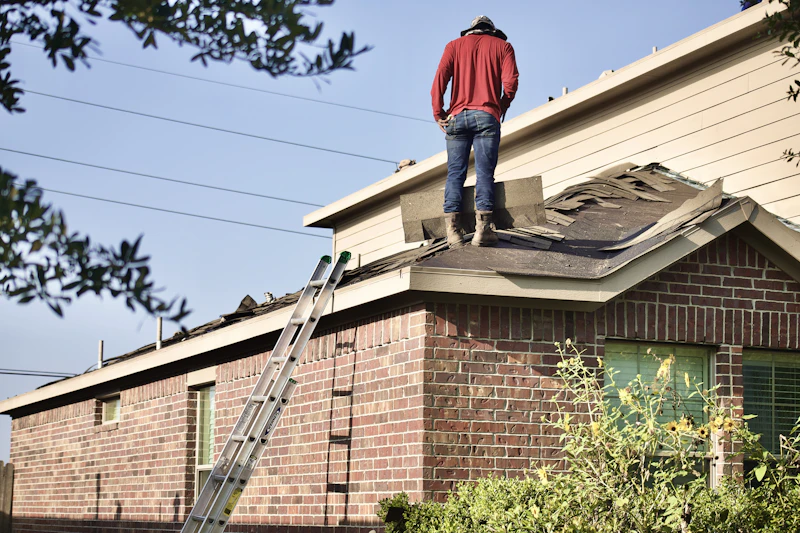
Based on Bureau of Labor Statistics wage data for the Sacramento-Roseville-Folsom metropolitan area, roofing in Sacramento costs between $2,370 and $16,700, with an average of $5,760.
Roofing Cost Breakdown — Sacramento, CA
| Service/Item | Low Estimate | Average | High Estimate |
|---|---|---|---|
| Asphalt Shingles (per sq) | $130 | $180 | $280 |
| Metal Roofing (per sq) | $350 | $470 | $680 |
| Flat Roof Repair | $250 | $360 | $550 |
| Full Replacement (2,000 sq ft) | $4,340 | $5,760 | $8,200 |
| Roof Inspection | $20 | $40 | $70 |
| Gutter Installation (per ft) | $10 | $10 | $20 |
Complete Guide to Roofing in Sacramento
Sacramento’s sun-baked summers and seasonal wildfire haze don’t just test your air filters—they push roofing materials and workmanship to their limits. With daytime highs regularly hitting 100°F from June through September and smoke-laden air coating surfaces for weeks at a time, your roof isn’t just shelter—it’s a frontline defense.
Add in the region’s aging housing stock, where 1950s ranch homes sit beside new stucco-heavy tract developments, and you’ve got a roofing landscape that demands local expertise. Earthquake retrofitting is increasingly common, especially for older homes near the American River fault zones, and many re-roofing projects now include structural upgrades that weren’t standard decades ago.
The city’s mix of architectural styles—Spanish-tiled roofs in East Sacramento, mid-century modern flat or low-slope designs in Pocket, and sprawling single-story homes in Roseville and Folsom—means material choice isn’t just about cost. It’s about compatibility.
Asphalt shingles dominate due to affordability and ease of installation, but tile (clay and concrete) remains popular for aesthetic continuity and heat resistance. Metal roofing is gaining traction for its durability and reflectivity, especially in newer developments where energy efficiency is prioritized.
Roofing in the Sacramento-Roseville-Folsom metro runs about 25% higher than the national average. This isn’t just due to labor costs—it reflects material transport logistics, permit complexity across multiple jurisdictions (Sacramento County, City of Sacramento, Roseville, Folsom), and the need for smoke-resistant underlayment and fire-rated assemblies in high-risk zones.
Wildfire mitigation codes now require Class A fire-rated roofing in many areas, especially near the urban-wildland interface in the foothills east of Folsom Lake. These regulations directly impact material selection and, by extension, total project cost. Homeowners may also want to compare Roofing in Los Angeles.
Material and Labor Cost Breakdown
In most roofing projects across the region, materials account for roughly 60% of total costs, with labor making up the remaining 40%. This split shifts with premium materials—tile and metal installations, for instance, often reverse the ratio due to the specialized skills and time required. For a nearby comparison, check Roofing in San Diego.
Labor rates in the area align closely with the Bureau of Labor Statistics’ reported average of $28.17 per hour for roofers, but final billing includes overhead, insurance, equipment, and project management. A contractor quoting near the BLS rate likely isn’t factoring in full compliance costs—something that can backfire if corners are cut.
The wide gap between low-end and high-end estimates isn’t arbitrary. Lower bids often exclude critical line items: removal and disposal of old roofing layers (many Sacramento homes have two or more existing layers), decking repairs (common in older homes with wood rot), ice and water shield along eaves and valleys (required in some areas), and proper ventilation upgrades.
High-end estimates typically include full tear-off, OSB or plywood deck replacement where needed, ridge vent installation, and compliance with current fire and seismic codes. They may also factor in time-of-day work restrictions in neighborhoods with noise ordinances, especially in densely packed areas like Land Park or Curtis Park.
What drives cost variability:
- Roof pitch and complexity—homes with multiple dormers, skylights, or steep slopes take longer and require more safety measures
- Number of existing roofing layers—California code limits most homes to two layers; exceeding that triggers a full tear-off
- Access and disposal challenges—narrow lots in older neighborhoods increase labor time and dumpster placement costs
- Permit fees and inspections—vary by city, with Folsom and Roseville often requiring additional structural review
- Fire and wind resistance requirements—upgraded underlayment and fastening patterns add cost but are non-negotiable in many zones
- Schedule your roof replacement just before wildfire season begins—March or April—so you’re covered with fire-resistant materials before smoke and ember risks peak
- Avoid July and August if possible—extreme heat above 100°F can warp certain materials and increase worker fatigue, slowing progress
- Coordinate with your utility provider if you have solar panels—they’ll need to be disconnected and reconnected, adding 1–2 days to the project
- Plan around school schedules if you live in a family-heavy neighborhood—contractors prefer to avoid loud tear-off work during early morning or late evening hours
- Check with your HOA, especially in master-planned communities in Loomis or Granite Bay, where exterior work may require pre-approval and color restrictions
- Exact scope of work, including tear-off depth, decking repairs, and disposal method
- Material specifications—brand, model, color, and warranty documentation
- Permit responsibility—who pulls it and who pays
- Timeline with start and estimated completion dates
- Payment schedule—never pay more than 10% down; the bulk should be due after completion
- Local labor rates
Sacramento labor averages $28.17/hour—25% above the national average—due to higher cost of living, strong union presence in construction trades, and consistent demand for skilled roofing contractors. This premium reflects the need for experienced crews familiar with local building codes and seismic retrofitting standards.
- Seasonal demand
Roofer availability tightens between late spring and early fall when homeowners prepare for winter rains, creating a 10–20% seasonal pricing premium. Scheduling during the off-peak winter months can reduce wait times and potentially lower labor costs due to reduced demand.
- Project scope
A minor repair for wind or smoke-damaged shingles costs significantly less than a full roof replacement, which may be necessary after prolonged exposure to 100°F+ inland heat or wildfire debris. The gap in estimates often reflects hidden structural damage, underlayment upgrades, or ventilation improvements required in older homes.
- Permits & inspections
In California, any roofing job over $500 requires a CSLB-licensed contractor, and all new installations must comply with Title 24, the nation’s strictest energy code, which can influence ventilation and radiant barrier requirements. Permit fees typically range from $50 to $300, depending on city regulations in Sacramento, Roseville, or Folsom.
- Materials quality
Premium materials like Class A fire-rated asphalt shingles, clay tile, or cool-roof coated metal cost 30–50% more than builder-grade options but offer better resistance to wildfire embers and extreme heat. These upgrades are increasingly popular in Sacramento-area neighborhoods for durability and energy efficiency.
- Property characteristics
Ranch-style homes, mid-century builds, and Spanish-tiled stucco homes common in Folsom and Roseville often have low-slope roofs or complex designs that increase labor time and material waste. Older homes may also require additional structural support or retrofitting to meet current earthquake safety standards, affecting overall pricing.
- Emergency vs scheduled
Storm damage or sudden leaks during wildfire season may require emergency service, where after-hours or weekend rates can be 1.5 to 2 times higher than standard pricing. Planning roof maintenance proactively avoids costly emergency markups and ensures better contractor availability.
Timeline and Scheduling Considerations
The ideal window for roofing in Sacramento is late spring through early fall—April to October—when rain is rare and temperatures, while hot, allow for proper adhesive curing on shingles and sealants. However, this is also peak season, meaning higher demand and longer lead times.
Contractors are often booked 6–8 weeks out by May. Off-peak work (November to February) can yield faster scheduling and occasional discounts, but crews must navigate winter rains and colder mornings that delay adhesive activation.
Emergency rates apply after storm damage or sudden leaks, particularly during winter wind events or after rapid temperature shifts that crack brittle shingles. To avoid inflated pricing, get your roof inspected annually in the fall.
Look for curled edges, granule loss in gutters, and soft spots on the deck. Addressing minor issues early—like replacing a few damaged shingles or resealing flashing—can prevent full replacements down the line. Related: kitchen remodel costs in Sacramento.
Protecting Yourself: Warranties and Guarantees
In California, reputable roofing contractors offer two types of warranties: labor and materials. The labor warranty—typically 2 to 5 years—covers workmanship defects like improper flashing installation or nail placement. See how costs compare: Roofing in San Francisco.
The materials warranty, provided by the manufacturer, can last 20 to 50 years but often requires professional installation to remain valid. Be cautious of contractors offering “lifetime” labor warranties—these are rarely transferable and may not survive a company’s closure.
All roofing contractors in California must be licensed by the CSLB (Contractors State License Board), carry general liability insurance, and be bonded.
Verify their license status online through the CSLB portal—check for active status, no open complaints, and proper classification (C-39 for roofing). Unlicensed contractors may offer lower prices, but you forfeit legal recourse and warranty protection if something goes wrong.
Before a single shingle is removed, ensure the following are in writing:
A signed contract isn’t just protection—it’s the foundation of a smooth project. In a region where weather, regulations, and housing diversity create unique challenges, clarity is your best defense against cost overruns and subpar results.
What Affects Roofing Costs in Sacramento?
What Affects Roofing Costs in Sacramento?
Homeowners in the Sacramento-Roseville-Folsom area face unique factors that influence roofing project costs. From regional labor rates to climate-driven demand, understanding these elements helps you make informed decisions for your home.
Popular Roofing Brands in Sacramento
Frequently Asked Questions
How much does roofing cost in Sacramento, CA?
The average roofing cost in the Sacramento-Roseville-Folsom metro area is $5,760, with prices typically ranging from $2,370 to $16,700 depending on roof size, materials, and labor. This reflects local contractor rates, which align with the Bureau of Labor Statistics (BLS) reported average of $28.17 per hour for roofing workers in the region. Costs can vary significantly based on whether you're replacing or repairing, and the type of shingles or materials used. Flat roofs or those with complex designs may also increase labor time and overall expense.
Why is roofing more expensive in Sacramento than the national average?
Roofing in Sacramento tends to be higher than the national average due to elevated labor costs, cost of living, and regional building codes that require more durable materials. The BLS reports local roofers earn $28.17/hr, which is above the national median, contributing to higher project totals. Additionally, seismic and fire-resistant requirements in California increase material and installation standards, raising overall costs. Urban density and permit fees in cities like Folsom and Roseville also add to the final price.
How can I save money on roofing in Sacramento?
You can save money by scheduling roofing work during the off-season, such as late fall or winter, when contractors may offer discounts due to lower demand. Getting multiple bids from licensed contractors ensures competitive pricing and helps avoid overpayment. Choosing standard asphalt shingles instead of premium materials can reduce material costs while still meeting local fire codes. Also, maintaining your roof with regular inspections can prevent costly repairs or early full replacements.
Do I need a permit for roofing in CA?
Yes, most roofing projects in California, including replacements and major repairs in Sacramento, require a permit from the local building department. Permits ensure the work meets state and local building codes, especially important for fire resistance and structural safety in this region. Your licensed contractor should handle the permit application and associated fees as part of the job. Failure to obtain a permit can result in fines or issues when selling your home.
How long does roofing take in Sacramento?
A typical roof replacement in Sacramento takes 2 to 3 days for an average-sized home, depending on complexity and weather conditions. Simple repairs may be completed in a single day, while larger homes or those with structural issues can take up to a week. Delays can occur during the rainy season, so scheduling during dry months improves timeline reliability. Contractors in the area generally follow efficient workflows, supported by local labor rates reported at $28.17/hr by the BLS.
What warranty should I expect from a roofing contractor?
You should expect at least a 5-year labor warranty and a manufacturer warranty on materials, which can range from 20 to 50 years depending on the product. In Sacramento, reputable contractors often offer longer labor warranties—up to 10 years—if you use their preferred shingles or schedule regular maintenance. Always get the warranty in writing and verify it covers workmanship, leaks, and material defects. Warranties may be voided if permits weren't pulled or work wasn't inspected.
What's the best time of year for roofing in Sacramento?
The best time for roofing in Sacramento is late spring to early fall, particularly May through September, when dry weather minimizes delays. Scheduling during this window aligns with optimal working conditions and contractor availability, though demand may be higher. Avoid winter months due to rain, which can interrupt work and extend project timelines. Off-season scheduling may offer cost savings, but the risk of weather delays makes summer the most reliable choice.
