How Much Does Roofing Cost in San Bernardino, CA?
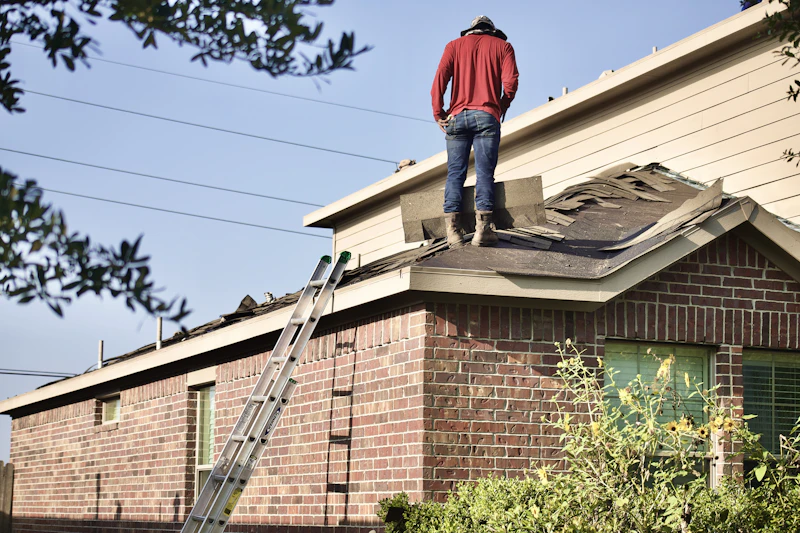
Based on Bureau of Labor Statistics wage data for the Riverside-San Bernardino-Ontario metropolitan area, roofing in San Bernardino costs between $2,370 and $16,700, with an average of $5,760.
Roofing Cost Breakdown — San Bernardino, CA
| Service/Item | Low Estimate | Average | High Estimate |
|---|---|---|---|
| Asphalt Shingles (per sq) | $130 | $180 | $280 |
| Metal Roofing (per sq) | $350 | $470 | $680 |
| Flat Roof Repair | $250 | $360 | $550 |
| Full Replacement (2,000 sq ft) | $4,340 | $5,760 | $8,200 |
| Roof Inspection | $20 | $40 | $70 |
| Gutter Installation (per ft) | $10 | $10 | $20 |
The San Bernardino Roofing Market in 2026
San Bernardino’s roofing market is under pressure—demand has outpaced contractor capacity, especially as wildfire recovery efforts continue in foothill communities like Highland and Redlands. Many licensed roofers are booked 8 to 12 weeks out, particularly during spring and early summer when homeowners prep for fire season.
This backlog isn’t just seasonal; it’s structural. The region’s construction workforce hasn’t kept up with housing growth, and with the BLS reporting a local labor rate of $28.17/hr, contractors face tight margins that limit hiring.
The regional economy plays a direct role in pricing. In neighborhoods like Arrowhead and Mentone, rising home values have increased investment in premium materials like Class A fire-rated composition shingles and tile.
Meanwhile, in more affordable areas such as downtown San Bernardino and Loma Linda, cost-conscious re-roofing dominates. The housing market’s rebound has also driven up material delivery costs—supply chain delays from the Inland Port in Ontario affect availability, and fuel surcharges are now standard for asphalt deliveries.
Trends in roofing here are shaped by climate and regulation. Fire resistance is no longer optional—Class B or better is expected in most hillside zones.
Cool roofing, which reflects solar heat, is gaining traction due to Title 24 compliance needs.
Metal roofing, especially standing seam, is rising in popularity not just for durability but for its ability to support solar integration. Contractors are also adopting drone inspections more widely, reducing assessment time and improving quote accuracy across the varied terrain of the Inland Empire.
How Local Housing Stock Affects Your Costs
The age and style of your home in San Bernardino directly impact roofing complexity and cost. Ranch homes from the 1950s and 60s, common in areas like San Bernardino Heights, often have low-slope roofs that trap debris and require careful underlayment upgrades.
Their original wood decking may need full replacement, adding labor hours at that $28.17/hr rate.
Spanish-style homes in neighborhoods like Park West or near Cal State San Bernardino feature clay tile roofs—expensive to repair due to fragile materials and the need for specialty installers. Homeowners may also want to compare Roofing in Los Angeles.
Stucco construction, widespread in 1970s and 80s builds, creates unique challenges.
Flashing integration around stucco returns is critical to prevent water intrusion, and improper removal during re-roofing can damage wall finishes. For a nearby comparison, check Roofing in Anaheim.
Mid-century modern homes in the foothills often have flat or exposed beam roofs that require custom detailing and higher-end materials to maintain architectural integrity.
These design elements increase labor time and material waste, both of which affect final pricing. Homeowners may also want to compare kitchen remodel costs in San Bernardino.
Newer tract homes in master-planned communities like Alta Loma or Rancho Cucamonga (part of the broader metro) typically use architectural shingles with factory warranties. While easier to replace, they’re often built with tighter roof pitches and complex layouts—think dormers and valleys—that increase labor hours.
Older homes, especially those built before 1980, commonly have asbestos-containing materials in underlayment or siding, requiring abatement before work begins. This adds permitting, disposal fees, and delays, particularly in cities like Rialto or Fontana where environmental inspections are routine.
Common issues vary by era: older homes struggle with inadequate ventilation and outdated drip edges, while newer builds sometimes suffer from poor workmanship during initial construction—misaligned flashing or insufficient nailing patterns. Both lead to premature failure and higher long-term costs if not caught early.
Permits, Codes, and Regulations in CA
In California, any roofing job over $500 must be performed by a contractor licensed with the CSLB. This isn’t just a formality—unlicensed work voids insurance claims and can trigger penalties during resale.
San Bernardino County and most cities in the metro, including Ontario and Riverside, require roofing permits pulled directly by the contractor. You can verify license status and file complaints through the CSLB website, which is critical given the number of out-of-area contractors flooding the market after fire events.
Permit costs vary by city but typically range from $150 to $400, based on square footage and material type. Processing takes 5 to 10 business days, and inspections are required at underlayment and final stages. Some cities, like Redlands, mandate additional wind uplift testing for tile roofs.
The strictest factor, however, is Title 24.
California’s energy code now requires all new roofing systems to be “solar-ready,” meaning structural reinforcement and electrical pathway planning even if solar isn’t installed immediately. This affects truss calculations and may require engineering stamps, especially for tile-to-shingle conversions.
Skipping permits might save a few hundred dollars upfront, but the risks are severe. Unpermitted work can result in fines, forced removal, and failure to pass resale inspections. Title companies routinely flag missing permits, delaying escrow.
Insurance providers like State Farm and Allstate may deny claims for damage linked to unpermitted modifications.
In wildfire-prone zones, CAL FIRE can cite homeowners for non-compliant roofing materials. Bottom line: permits aren’t optional—they’re part of the cost of doing business safely and legally in San Bernardino County.
Getting the Best Value on Roofing
Value doesn’t mean lowest price—it means quality work that lasts and complies with local standards. One effective negotiation strategy is to ask for line-item breakdowns. Related: bathroom remodel costs in San Bernardino.
Contractors in the Inland Empire often bundle labor and materials, making it hard to compare. When you see the $28.17/hr labor rate isolated, you can assess whether added costs for tear-off or decking are justified.
Also, request references from recent jobs in your neighborhood—roofing performance varies by microclimate, and a contractor who’s worked in the smog-heavy basin of Fontana may not understand the wind loads in the San Bernardino Mountains. See how costs compare: Roofing in Long Beach.
Timing matters. The best window for scheduling is late fall to early winter—right after fire season ends but before the spring rush.
Some contractors offer 5% to 10% discounts during this period to maintain cash flow. Avoid summer months when demand peaks and material delivery delays are common due to heat-related transport restrictions.
Bundling can deliver real savings. If you’re replacing gutters, skylights, or attic insulation, do it during re-roofing.
Labor is already on-site, scaffolding is up, and debris removal is already scheduled.
In homes with older HVAC systems, combining roof work with duct sealing or solar prep can trigger Title 24 compliance synergies—some contractors offer package pricing for “whole-roof” systems. Just ensure each component is quoted separately so you can verify warranty terms.
Finally, don’t overlook post-wildfire programs. If your home is in a designated fire recovery zone, you may qualify for low-interest loans or grants through the California Department of Forestry.
Some insurers also offer roofing upgrades as part of mitigation incentives. Ask your contractor if they participate in these programs—it could reduce your out-of-pocket cost significantly.
What Affects Roofing Costs in San Bernardino?
What Affects Roofing Costs in San Bernardino?
Homeowners in the Riverside-San Bernardino-Ontario metro face unique factors that influence roofing costs, from extreme inland heat to strict energy codes. Understanding these local variables helps ensure you get accurate, fair pricing for your project.
- Local labor rates — Roofing labor in San Bernardino averages 25% above the national rate due to higher regional costs of living and strong union presence in construction trades. Sustained demand from wildfire rebuilds and housing growth further tightens labor supply, pushing wages up.
- Seasonal demand — Roofing peaks in spring and early fall when temperatures are more manageable, while summer heat above 100°F reduces work windows and slows crews. Contractors often charge 10–20% more during high-demand months due to booking constraints and weather-related scheduling risks.
- Project scope — A simple repair for wind or smoke-damaged shingles costs significantly less than a full tear-off and replacement. Larger jobs require more materials, labor hours, and disposal fees—especially if old roofing contains hazardous materials common in older Inland Empire homes.
- Permits & inspections — California law requires a CSLB-licensed contractor for any job over $500, and all roof replacements must comply with Title 24, the nation’s strictest energy code, which impacts ventilation and radiant barrier requirements. Permit fees typically range from $50 to $300 but ensure compliance with seismic retrofitting standards common in this earthquake-prone region.
- Materials quality — Builder-grade asphalt shingles cost noticeably less than premium Class A fire-rated materials, which are strongly recommended due to wildfire smoke and ember risks. Upgrades like cool-roof coatings, tile, or metal roofing can increase material costs by 30–50% but offer better heat reflectivity and durability in the hot, dry climate.
- Property characteristics — Ranch homes and mid-century builds with low-slope roofs are easier to access, while multi-story Spanish-style homes with stucco walls and tile roofs require more labor and safety measures. Roof complexity, pitch, and debris buildup from nearby vegetation also influence time and cost.
- Emergency vs scheduled — Storm or fire damage requiring immediate attention often triggers emergency rates—1.5 to 2 times standard pricing—especially for after-hours or weekend service. Scheduling your roof work proactively avoids these premiums and long contractor waitlists common after wildfire season.
Popular Roofing Brands in San Bernardino
Frequently Asked Questions
How much does roofing cost in San Bernardino, CA?
The average cost of roofing in San Bernardino, CA is $5,760, with prices typically ranging from $2,370 to $16,700 depending on roof size, materials, and labor. This reflects the local market for standard asphalt shingle roof replacement on a single-family home. Labor rates in the Riverside-San Bernardino-Ontario metro area average $28.17 per hour according to the U.S. Bureau of Labor Statistics (BLS), contributing significantly to overall project costs. Costs can rise further with premium materials or complex roof designs.
Why is roofing more expensive in San Bernardino than the national average?
Roofing in San Bernardino tends to be higher than the national average due to elevated labor costs, with roofers earning $28.17/hour on average (BLS data), which exceeds rates in many other regions. Additionally, building codes, permitting requirements, and material transportation costs in Southern California contribute to higher overall project pricing. The region's hot, dry climate also demands durable materials that can withstand extreme temperatures, often increasing material expenses. These regional factors combine to push average roofing costs to $5,760, above the national mean.
How can I save money on roofing in San Bernardino?
You can save money by scheduling roof replacement during the off-season, such as late fall or early winter, when contractors may offer discounts due to lower demand. Opting for standard 3-tab asphalt shingles instead of premium architectural shingles can reduce material costs significantly. Getting multiple bids from licensed contractors in the Riverside-San Bernardino-Ontario area ensures competitive pricing based on the local $28.17/hour labor rate (BLS). Also, addressing repairs early can prevent costly full replacements and help stay within the lower end of the $2,370–$16,700 price range.
Do I need a permit for roofing in CA?
Yes, most roofing work in California, including San Bernardino, requires a building permit to ensure compliance with state and local building codes. The permit process helps verify that the roof meets structural, fire, and energy efficiency standards specific to the region. Your licensed roofing contractor typically handles permit applications and associated fees, which are included in the overall project cost. Failure to obtain a permit can result in fines or issues when selling the home.
How long does roofing take in San Bernardino?
A typical roof replacement in San Bernardino takes 2 to 3 days for an average-sized home, assuming standard conditions and no unexpected structural issues. Larger or more complex roofs, especially those requiring extensive decking repairs, may take up to a week. Weather delays are rare in this arid climate but can occur during the occasional winter rain. The local labor rate of $28.17/hour (BLS) reflects skilled work that contributes to efficient, timely installation when conditions are favorable.
What warranty should I expect from a roofing contractor?
You should expect at least a 2- to 5-year labor warranty from a licensed roofing contractor in San Bernardino, covering workmanship issues like leaks or improper installation. Material warranties are typically provided by the manufacturer and can range from 15 years to a lifetime, depending on the shingle type. Always request warranty details in writing and verify that the contractor is registered with the California State License Board. Given the local labor rate of $28.17/hour (BLS), a solid warranty reflects confidence in the quality of service within the $5,760 average project cost.
What's the best time of year for roofing in San Bernardino?
The best time for roofing in San Bernardino is late fall to early winter, between November and February, when temperatures are milder and rainfall is minimal, allowing for optimal shingle adhesion and drying. This off-season period often brings contractor availability and potential cost savings due to lower demand. Summer heat, which can exceed 100°F, makes roofing work more difficult and may affect material performance during installation. Scheduling during this ideal window helps ensure quality results at a fair price within the local $2,370–$16,700 cost range.
