How Much Does Roofing Cost in Santa Clara, CA?
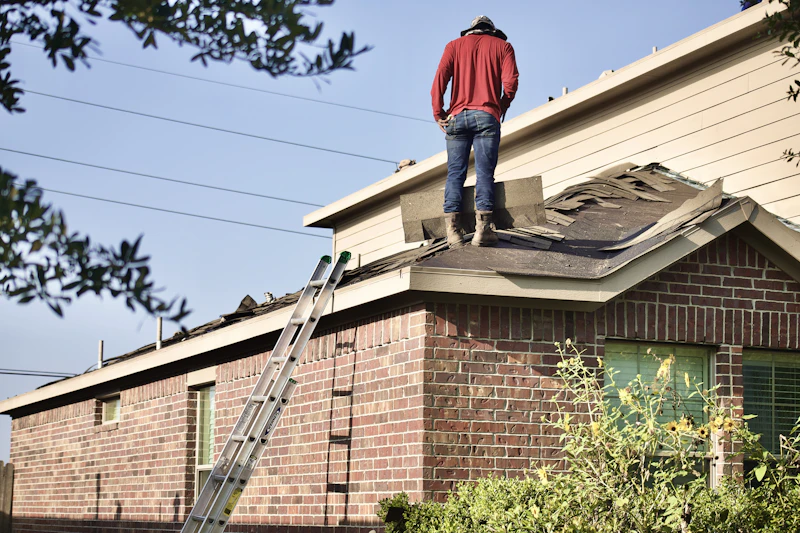
Based on Bureau of Labor Statistics wage data for the San Jose-Sunnyvale-Santa Clara metropolitan area, roofing in Santa Clara costs between $2,370 and $16,700, with an average of $5,760.
Roofing Cost Breakdown — Santa Clara, CA
| Service/Item | Low Estimate | Average | High Estimate |
|---|---|---|---|
| Asphalt Shingles (per sq) | $130 | $180 | $280 |
| Metal Roofing (per sq) | $350 | $470 | $680 |
| Flat Roof Repair | $250 | $360 | $550 |
| Full Replacement (2,000 sq ft) | $4,340 | $5,760 | $8,200 |
| Roof Inspection | $20 | $40 | $70 |
| Gutter Installation (per ft) | $10 | $10 | $20 |
| Roofing Type | Avg. Cost per Sq Ft | Lifespan | Best For |
|---|---|---|---|
| Asphalt Shingle | $3.50–$6.00 | 15–30 years | Budget-conscious, ranch homes |
| Tile (Clay/Concrete) | $8.00–$15.00 | 50+ years | Spanish-style, mid-century homes |
| Composite Shake | $7.00–$12.00 | 30–50 years | Stucco homes, fire resistance |
| Metal Roofing | $9.00–$16.00 | 40–70 years | Modern designs, solar integration |
The Santa Clara Roofing Market in 2026
Santa Clara’s roofing market is running hot—not just from the Bay Area sun, but from sustained demand driven by aging housing stock, wildfire resilience upgrades, and strict energy codes.
Contractors with a CSLB license are busy, especially those experienced with tile and fire-rated assemblies. Lead times for mid-tier roofing crews now stretch 4–6 weeks in peak season, longer if you’re in a historic district like Old Town or need solar-ready underlayment.
The local economy plays a direct role. With tech salaries stabilizing post-2023 corrections, homeowners are reinvesting in durability over aesthetics.
That means more requests for Class A fire-rated materials, especially near the foothills of Los Gatos and Monte Sereno. At the same time, rising material transport costs from Central Valley suppliers and a $28.17/hr average labor rate (per BLS) keep margins tight for contractors, limiting deep discounts.
Trends here are shaped by climate and code. Cool roofs—reflective white coatings or light-colored tile—are no longer optional for compliance with Title 24.
Solar readiness is baked into new reroofs: contractors must install conduit stubs and labeling even if panels aren’t going in yet. And in neighborhoods like Rose Garden and West San Carlos, homeowners are choosing architectural shingles with higher wind resistance to handle gusts rolling in from the Bay.
How Local Housing Stock Affects Your Costs
The roof you need depends on the home you have—and Santa Clara’s mix is anything but uniform. Ranch homes from the 1950s and 60s dominate neighborhoods like Burbank and Hyde Park.
These low-slope roofs often have decades of layered shingles, requiring full tear-offs that add cost.
Their simple geometry helps, but decades of improper flashing at chimney and vent joints lead to hidden rot in sheathing—especially after wet winters. Homeowners may also want to compare Roofing in Los Angeles.
Spanish-style homes in areas like The Alameda and Naglee Park bring higher costs. Their clay tile roofs are fragile, labor-intensive to remove, and often need structural reinforcement due to weight. For a nearby comparison, check Roofing in Anaheim.
Matching vintage tile profiles can double material sourcing time.
Stucco exteriors complicate transitions at roof-to-wall junctions, requiring custom metal flashing to prevent moisture intrusion—a frequent failure point in older builds. Homeowners may also want to compare kitchen remodel costs in Santa Clara.
Mid-century modern homes, especially in the foothill edges, feature flat or low-pitch roofs with built-up membrane or modified bitumen. These require expert detailing at parapets and scuppers.
Drainage issues are common, and re-sloping decks to meet modern code adds expense. Newer tract homes in Rivermark or Lawrence Station use architectural shingles with designer accents, but their complex rooflines with multiple hips and valleys increase labor hours significantly.
Older homes often hide decking damage from past leaks or inadequate ventilation.
Newer builds may have code-compliant underlayment but still suffer from poor attic airflow due to tightly packed insulation. Both scenarios mean your quote might expand after the tear-off—always budget a 10–15% contingency.
Permits, Codes, and Regulations in CA
In California, any roofing job over $500 requires a valid CSLB license. Unlicensed work isn’t just risky—it’s unenforceable.
If something goes wrong, you can’t file a claim with the Contractors State License Board. Always verify a contractor’s license number at cslb.ca.gov, especially with out-of-area crews flooding the Bay Area post-wildfire.
Title 24 is the toughest energy code in the U.S., and it directly impacts roofing. Replacing more than 50% of your roof? You’ll need cool roofing materials with high solar reflectance.
If you’re installing a new HVAC system simultaneously, ducts must be tested for leakage. And as of 2020, all new roofs must be “solar-ready”—meaning a labeled conduit stub from attic to roof, and space reserved for future panels. Cities like Santa Clara and Sunnyvale enforce this strictly.
Permits are pulled online through city portals—Santa Clara’s system is integrated with the Building & Safety Division’s ePlanCheck. Typical permit fees range from $250 to $600, depending on roof area and material. Approval takes 5–10 business days.
Skipping permits might save a few hundred now, but it backfires at resale. Title companies flag unpermitted work, and buyers’ inspectors will catch it.
You could face retroactive fees, forced corrections, or even a lien if the city discovers the work later. Related: bathroom remodel costs in Santa Clara.
One more thing: if your home is in a historic district or a homeowners association (like in The Lakes or San Tomas), design review boards may require specific materials or colors.
Get pre-approval before ordering supplies. See how costs compare: Roofing in Long Beach.
Getting the Best Value on Roofing
Value isn’t about the lowest bid—it’s about avoiding change orders, delays, and callbacks. In Santa Clara’s competitive market, the best leverage isn’t haggling over price; it’s bundling.
Combine your roof replacement with attic insulation, solar prep, or skylight flashing upgrades. Contractors save on mobilization and scaffolding, and you get a coordinated warranty.
Timing matters. Schedule your project between September and November. Summer is peak demand—contractors are booked solid, and material delays are common. Winter brings rain, halting work for days. Fall offers drier weather and slightly more availability, especially after school starts.
Negotiation works best when you’re informed. Ask for a line-item breakdown: tear-off, decking repair, underlayment type, ridge vent, flashing details. Compare not just totals, but scope.
A bid that skips ice and water shield at eaves might seem cheaper but fails in heavy rain. And don’t ignore labor rates—Santa Clara crews average $28.17/hr, but experienced roofers familiar with tile or fire-rated assemblies may charge more. That’s often worth it.
Finally, get three bids from CSLB-licensed contractors with local references. Check their work in similar neighborhoods.
A contractor who’s done 20 tile roofs in Willow Glen knows how to handle expansion joints and stucco integration better than one used to East Bay tract homes. That expertise prevents callbacks—and saves you money in the long run.
What Affects Roofing Costs in Santa Clara?
What Affects Roofing Costs in Santa Clara?
Homeowners in Santa Clara, CA—part of the high-demand Bay Area market—face unique factors that influence roofing costs.
From strict energy codes to seasonal extremes and local labor dynamics, understanding these elements helps ensure informed decisions. Below are the key drivers of roofing expenses in the region.
- Local labor rates — Labor in Santa Clara averages $28.17/hour, about 25% above the national average, due to the region’s high cost of living, strong union presence in construction trades, and intense demand for skilled workers across tech-driven housing markets like San Jose and Sunnyvale.
- Seasonal demand — Roofing demand peaks in late spring through early fall when dry weather allows for safe, uninterrupted work. During these months, contractors often charge 10–20% more due to high booking volume, while off-peak winter months may offer more availability and lower rates.
- Project scope — A minor repair, such as fixing a leak or replacing a few damaged shingles, costs significantly less than a full tear-off and replacement. The gap in estimates often reflects underlying issues like rot, structural damage, or the need for underlayment upgrades—common in older homes across mid-century neighborhoods.
- Permits & inspections — California law requires a CSLB-licensed contractor for any job over $500. Santa Clara enforces Title 24, the nation’s strictest energy code, which may require radiant barriers or cool roofing materials. Permit fees typically range from $50 to $300, depending on project size.
- Materials quality — Builder-grade asphalt shingles are the most affordable option, but many Santa Clara homeowners opt for premium architectural shingles, Class A fire-rated materials, or clay tile to match Spanish-style homes—choices that can cost 30–50% more but offer better durability against heat and wildfire embers.
- Property characteristics — Ranch homes and mid-century homes with low-slope roofs are common, but multi-story homes or those with stucco walls and limited roof access can increase labor time and complexity. Older homes may also require seismic retrofitting or decking repairs before roofing begins.
- Emergency vs scheduled — Storm damage or sudden leaks often require emergency service, especially during rare heavy rains or after wildfire season. Emergency and after-hours work can cost 1.5 to 2 times more than scheduled jobs, with weekend or holiday call-outs commanding premium rates.
Popular Roofing Brands in Santa Clara
Frequently Asked Questions
How much does roofing cost in Santa Clara, CA?
The average roofing job in Santa Clara runs about $5,760, with most projects falling between $2,370 and $16,700 depending on size, material, and complexity. Labor rates in the area are higher than the national average, reflecting the local cost of living and the $28.17 per hour wage reported by the BLS. Additional costs can include permits, disposal fees, and any necessary structural repairs. Getting a detailed written estimate from a licensed contractor will help you understand the exact price for your specific roof.
Why is roofing more expensive in Santa Clara than the national average?
Santa Clara’s higher roofing costs stem from several local factors. The BLS reports a labor rate of $28.17 per hour, which is above the national average, and the region’s high cost of living drives up wages for skilled roofers. Permit fees, stricter building codes, and the premium price of quality materials in the Bay Area also add to the overall expense.
How can I save money on roofing in Santa Clara?
Start by obtaining at least three written quotes from reputable, licensed contractors to compare pricing and scope. Scheduling the work during the off‑season (late fall or early winter) can reduce labor costs, as crews may offer discounts when business is slower. Consider durable yet cost‑effective materials like architectural shingles, and keep your roof well‑maintained to avoid costly repairs later.
Do I need a permit for roofing in CA?
Yes, most roofing projects in Santa Clara require a building permit from the city’s Building Division. The permit ensures the work meets California’s strict building codes and fire safety standards. Your contractor should handle the permit application, but you’ll be responsible for any associated fees.
How long does roofing take in Santa Clara?
A typical residential roof replacement in Santa Clara takes about one to two weeks, depending on the size of the house and the type of material being installed. Smaller repairs or partial replacements can be completed in one to three days. Weather delays are rare in this region, but heavy rain can temporarily halt work.
What warranty should I expect from a roofing contractor?
Most reputable contractors in Santa Clara provide a workmanship warranty of at least 10 years, covering installation defects. Material manufacturers usually offer separate warranties ranging from 20 to 30 years for shingles and other products. Be sure to get the warranty terms in writing and confirm that the contractor is licensed and insured.
What's the best time of year for roofing in Santa Clara?
The optimal window for roofing in Santa Clara is during the dry months of late spring through early fall, when rain is minimal and temperatures are moderate. Fall can be especially advantageous because crews often have more availability and may offer seasonal discounts. Avoid scheduling major roof work during the rainy winter months, as moisture can affect installation quality.
