How Much Does Roofing Cost in Sunnyvale, CA?
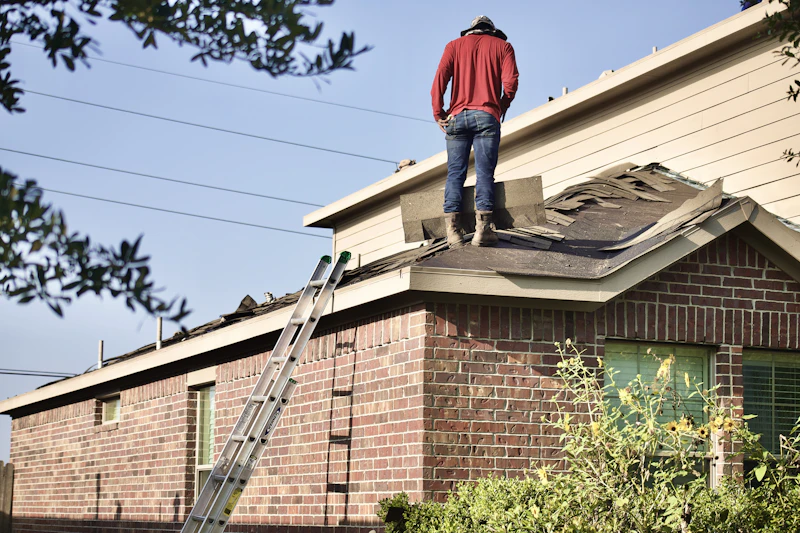
Based on Bureau of Labor Statistics wage data for the San Jose-Sunnyvale-Santa Clara metropolitan area, roofing in Sunnyvale costs between $2,370 and $16,700, with an average of $5,760.
Roofing Cost Breakdown — Sunnyvale, CA
| Service/Item | Low Estimate | Average | High Estimate |
|---|---|---|---|
| Asphalt Shingles (per sq) | $130 | $180 | $280 |
| Metal Roofing (per sq) | $350 | $470 | $680 |
| Flat Roof Repair | $250 | $360 | $550 |
| Full Replacement (2,000 sq ft) | $4,340 | $5,760 | $8,200 |
| Roof Inspection | $20 | $40 | $70 |
| Gutter Installation (per ft) | $10 | $10 | $20 |
| Roofing Type | Avg. Cost (Sunnyvale) | Lifespan | Best For |
|---|---|---|---|
| Asphalt Shingle | Displayed on page | 15–30 years | Ranch homes, budget-conscious upgrades |
| Clay Tile | Displayed on page | 50+ years | Spanish-style, fire resistance |
| Metal Roofing | Displayed on page | 40–70 years | Mid-century modern, wildfire zones |
| Flat Roof (TPO) | Displayed on page | 20–30 years | Newer tract homes, low-slope designs |
Is It Time for Roofing? Warning Signs
Sunnyvale’s mix of coastal breezes and inland heat puts unique stress on roofing systems. Homes near Moffett Field feel more moderate temps, while those near the foothills endure 100°F+ summers and prolonged UV exposure.
Add in seasonal wildfire smoke that degrades asphalt and occasional seismic shifts, and your roof ages faster than you might think. If you’re seeing curled shingles near Charleston Park, granule buildup in gutters off El Camino, or soft spots after a rare heavy rain, it’s time to act.
- Schedule inspections every 3–5 years, especially after a major heatwave or earthquake—Sunnyvale’s soil shifts can loosen fasteners over time
- Watch for dark streaks or moss near tree-shaded sections—common in older neighborhoods like Fair Haven
- Check attic ventilation in summer; poor airflow in mid-century homes leads to trapped heat and premature aging
- Listen for rain noise changes—new rattling or echoes may mean underlayment failure
- Inspect flashing around chimneys and vents after wildfire season; soot and ash accelerate corrosion
- Local labor rates — Sunnyvale labor averages $28.17/hr (Bureau of Labor Statistics, 2024), about 25% above the national average, driven by high cost of living, strong union presence in construction trades, and consistent demand for skilled roofing work in Silicon Valley. Limited availability of licensed roofers further increases labor premiums.
- Seasonal demand — Roofing demand peaks in late summer and early fall before the rainy season, with contractors often booking months in advance. During peak months (August–October), homeowners may pay 10–20% more due to high demand, especially after heatwaves or wildfire smoke events that expose roof damage.
- Project scope — A simple repair like fixing a flashing leak or replacing damaged shingles costs significantly less than a full tear-off and replacement. The gap in estimates often reflects hidden damage from dry-rot or moisture trapped under layers, common in older Sunnyvale homes with stucco construction and inadequate ventilation.
- Permits & inspections — All roofing jobs over $500 require a CSLB-licensed contractor and a city permit, typically $50–$300 depending on project size. Sunnyvale enforces California’s Title 24 energy code strictly, which may require radiant barriers or cool roofing materials to reduce heat absorption in homes exposed to 100°F+ inland valley temperatures.
- Materials quality — Builder-grade 3-tab asphalt shingles are the most affordable, while premium options like Class 4 impact-resistant shingles, clay tile (common on Spanish-style homes), or fire-rated metal roofing cost 30–50% more. Fire resistance is especially valued during wildfire smoke seasons and helps meet insurance requirements.
- Property characteristics — Ranch homes and mid-century homes with low-slope roofs are common in Sunnyvale and typically cost less to re-roof than multi-story or hard-to-access properties. Stucco exteriors and tile roofs on older Spanish-style homes often require additional scaffolding and specialized labor, increasing overall pricing.
- Emergency vs scheduled — Emergency repairs after sudden leaks or storm damage often incur after-hours or weekend rates, which can be 1.5 to 2 times higher than standard pricing. Scheduling during off-peak months avoids premium charges and ensures better contractor availability.
Emergency rates kick in when storm damage or leaks threaten interior systems. Avoid them by staying ahead of weather windows. Sunnyvale’s dry season (May–October) is ideal for roofing—fewer delays, more contractor availability.
Winter rains are predictable, but a sudden atmospheric river can trigger a regional rush. Plan at least 6 weeks before forecasted storms. If you spot active leaks near light fixtures or sagging ridgelines, get a temporary tarp and call a licensed roofer immediately—don’t wait for quotes.
What Drives Price Differences Between Contractors
Roofing in Sunnyvale costs about 25% more than the national average—not just due to labor, but because local conditions demand higher-grade materials and compliance with strict Santa Clara County codes.
The Bureau of Labor Statistics reports a median wage of $28.17/hr for roofers, but in this metro, skilled crews often command more due to demand and certification requirements. Contractors typically apply a 25–40% markup to cover insurance, equipment, disposal, and project management.
Local housing styles shape material choices. Spanish-style homes in Old Sunnyvale often need clay tile, which is heavier and requires reinforced decking. Homeowners may also want to compare Roofing in Los Angeles.
Ranch homes with low-pitch roofs may use asphalt, but even there, UV-resistant architectural shingles are standard to handle summer heat.
Mid-century modern homes with flat or angular roofs require seamless metal or TPO membranes—more labor-intensive to install correctly. For a nearby comparison, check Roofing in Anaheim.
Wildfire risk is a growing factor. Homes near the eastern hills fall into High Fire Hazard Severity Zones, requiring Class A fire-rated materials. Homeowners may also want to compare kitchen remodel costs in Sunnyvale.
Metal and clay meet this; standard asphalt doesn’t. Retrofitting for seismic safety also adds cost—tying down roof decks to walls with hurricane straps is now common in re-roofs, especially for homes built before 1994.
Stucco construction, prevalent in 1960s–80s builds, complicates flashing details. Poor integration between stucco and roof lines leads to water intrusion, so meticulous detailing is non-negotiable.
Contractors who cut corners here may offer lower bids but risk callbacks. Always verify they carry CA CSLB licensing and carry at least $1M in liability coverage—common in this market.
Financing Options for Roofing in CA
Most Sunnyvale roofing contractors offer in-house payment plans, typically 12–24 months with deferred interest.
Some partner with lenders like Hearth or GreenSky to provide 0% financing if paid within 12–18 months. These options help manage cash flow without draining savings, especially for larger projects like full tear-offs on two-story homes.
Home equity loans or HELOCs are viable if you plan other upgrades. With current rates, a HELOC may offer lower long-term interest than credit-based financing. Personal loans from credit unions like Peninsula Credit Union or NASA Federal can be competitive, especially with strong credit.
Financing makes sense when the roof is urgent and you lack reserves. It also helps if you’re preparing to sell—new roofing boosts curb appeal and can be recouped at resale.
But if you’re in a stable financial position, paying cash avoids interest and may strengthen your negotiating position.
Some contractors offer 5–10% discounts for upfront payment, especially during slower months. Related: bathroom remodel costs in Sunnyvale.
How to Avoid Overpaying in Sunnyvale
Smart homeowners in this market don’t just compare bids—they compare value. Start by getting 3–4 detailed quotes that break down materials, labor, disposal, and permitting. See how costs compare: Roofing in Long Beach.
A bid that’s 20% lower than others likely skips tear-off, uses inferior underlayment, or won’t pull permits. Verify each contractor’s CSLB license number and check for unresolved complaints with the Better Business Bureau.
Negotiate based on timing. January and February are the slowest months—contractors may offer 10–15% discounts to fill their calendars.
Avoid booking during peak summer (July–August) when demand spikes. If you’re flexible, ask about “rain date” availability—crews often sit idle during unexpected storms and may discount last-minute work.
Bundling saves significantly. Pair your roof replacement with attic insulation (required in many re-roofs), solar panel removal/reinstall, or gutter replacement.
Contractors reduce mobilization costs when stacking jobs. In neighborhoods like The Crossings or Sunnyvale West, where homes have similar footprints, some companies offer volume discounts for multiple homes on a block.
Finally, insist on a written warranty—both labor (minimum 2 years) and materials (from the manufacturer). In this climate, workmanship flaws show up fast: bubbling underlayment from poor ventilation, or fasteners backing out due to thermal expansion. A solid warranty protects you when issues arise.
What Affects Roofing Costs in Sunnyvale?
What Affects Roofing Costs in Sunnyvale?
Roofing costs in Sunnyvale, CA, are shaped by a unique mix of local labor economics, climate challenges, and strict building regulations.
Homeowners in the San Jose-Sunnyvale-Santa Clara metro area face pricing factors distinct from national averages due to regional demands and infrastructure needs. Below are the key elements influencing your roofing project’s final cost.
Popular Roofing Brands in Sunnyvale
Frequently Asked Questions
How much does roofing cost in Sunnyvale, CA?
The average roofing cost in Sunnyvale, CA is $5,760, with prices typically ranging from $2,370 to $16,700 depending on roof size, materials, and labor. This reflects the high cost of living and skilled labor in the San Jose-Sunnyvale-Santa Clara metro area. Labor rates average $28.17 per hour according to the U.S. Bureau of Labor Statistics (BLS), contributing significantly to overall project costs.
Why is roofing more expensive in Sunnyvale than the national average?
Roofing in Sunnyvale is more expensive due to high local labor costs, with roofers earning an average of $28.17 per hour (BLS data), well above the national average. Additional factors include strict California building codes, permit requirements, and material transport costs. The region's demand for durable, energy-efficient roofing to handle climate conditions also increases material and installation expenses.
How can I save money on roofing in Sunnyvale?
You can save money by scheduling roof replacement during the off-season, such as late fall or early winter, when contractors may offer discounts due to lower demand. Opting for mid-grade asphalt shingles instead of premium materials can reduce costs while still providing durability. Getting multiple bids and ensuring accurate measurements can prevent overpaying, and checking if your contractor can reuse existing underlayment may lower labor and material expenses.
Do I need a permit for roofing in CA?
Yes, most roofing projects in California, including Sunnyvale, require a building permit to ensure compliance with local building codes and safety standards. The permit process is managed by the city or county building department and typically involves plan review and inspections. Contractors are usually responsible for pulling permits, but homeowners should verify this to avoid liability or issues when selling the property.
How long does roofing take in Sunnyvale?
A typical roof replacement in Sunnyvale takes 2 to 5 days, depending on the size and complexity of the roof, weather conditions, and material availability. Simple, single-story homes with asphalt shingles can often be completed in 2–3 days. Larger homes or those requiring structural repairs, tile removal, or custom materials may take up to a week or more. Delays due to rain or permit inspections can also extend the timeline.
What warranty should I expect from a roofing contractor?
A reputable roofing contractor in Sunnyvale should offer a labor warranty of 2 to 10 years, covering workmanship defects such as leaks or improper installation. Materials typically come with a separate manufacturer warranty, ranging from 15 years to lifetime coverage depending on the product. Always get warranty details in writing and verify what’s covered, as terms vary by contractor and product. Some contractors may charge extra for extended labor warranties.
What's the best time of year for roofing in Sunnyvale?
The best time for roofing in Sunnyvale is late summer to early fall, from August to October, when dry weather and mild temperatures support optimal installation conditions. Avoid winter months due to rain, which can delay work and compromise sealant adhesion. Scheduling during this window also improves contractor availability compared to peak demand times. The stable weather helps ensure proper curing of adhesives and flashings, leading to a longer-lasting roof.
