How Much Does Electrical Cost in Ontario, CA?
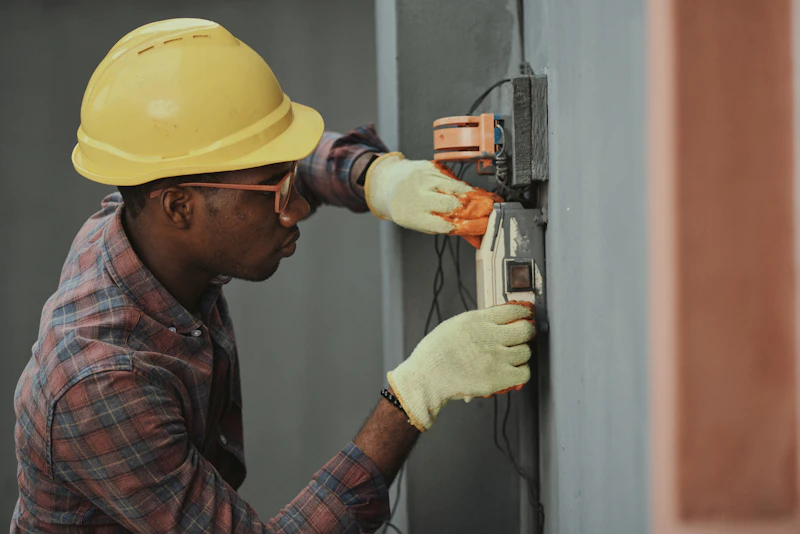
Based on Bureau of Labor Statistics wage data for the Riverside-San Bernardino-Ontario metropolitan area, electrical in Ontario costs between $80 and $5,070, with an average of $720.
Electrical Cost Breakdown — Ontario, CA
| Service/Item | Low Estimate | Average | High Estimate |
|---|---|---|---|
| Outlet Installation | $50 | $80 | $140 |
| Ceiling Fan Install | $180 | $260 | $400 |
| Panel Upgrade (200 amp) | $1,460 | $1,940 | $2,780 |
| EV Charger Install | $770 | $1,020 | $1,450 |
| Whole House Rewiring | $3,050 | $4,110 | $5,970 |
| Light Fixture Install | $70 | $110 | $170 |
Complete Guide to Electrical in Ontario
Ontario, CA sits at the heart of the Inland Empire, where summer temperatures regularly climb above 100°F and wildfire smoke can linger for weeks. These conditions don’t just affect comfort—they directly impact how electrical systems perform, age, and need to be upgraded.
Homeowners here face unique challenges: aging ranch-style homes built in the 1950s–70s with outdated wiring, Spanish-style houses with thick stucco walls that complicate rewiring, and newer tract developments where electrical loads are pushed to the limit by EV chargers and central AC units running 12 hours a day. Add in seismic retrofitting requirements under California’s Title 24 and the need for smoke detectors in every bedroom due to wildfire risks, and it’s clear that electrical work here isn’t just about flipping a switch—it’s about resilience.
Electrical costs in Ontario run about 25% higher than the national average, driven by strict CA energy codes, union labor prevalence, and the complexity of working in older homes with plaster walls and aluminum wiring. The region’s housing stock varies widely—from mid-century modern homes with original knob-and-tube wiring to new builds with smart home infrastructure—but all share exposure to extreme heat, which stresses circuits and demands higher-capacity service panels.
During wildfire season, many homeowners invest in backup generators or whole-house surge protection, further increasing project scope. Earthquake bracing for electrical panels is now standard in retrofits, adding labor and material requirements not seen in most other markets.
Material and Labor Cost Breakdown
In Ontario, electrical projects typically split around 60% labor and 40% materials, though this shifts with project type. A simple fixture installation leans more toward labor, while panel upgrades or whole-house rewires involve significant material costs for conduit, wire, and code-compliant devices. Homeowners may also want to compare Electrical in Los Angeles.
The U.S. Bureau of Labor Statistics reports an average electrician wage of $37.01/hr in this region, but actual billing rates are higher due to overhead, insurance, tools, and compliance with Cal/OSHA and CCB requirements. Most licensed contractors apply a 1.5x to 2x multiplier to base wages, which reflects not just time but also risk, licensing, and job-site logistics in densely built neighborhoods. For a nearby comparison, check Electrical in Anaheim.
The wide gap between low and high estimates often comes down to hidden conditions and scope definition. A low bid may assume accessible walls and modern wiring, while a high-end estimate includes pulling permits, upgrading grounding systems, installing arc-fault breakers in every bedroom (required in CA), and patching stucco or drywall after trenching. Homeowners may also want to compare plumbing costs in Ontario.
Older homes in neighborhoods like North Ontario or the Foothill area frequently contain asbestos-insulated wire or ungrounded outlets, requiring abatement or full refeeds. Projects that involve working above drop ceilings, in attics with fiberglass insulation, or around mature landscaping in established areas like Colony Park add time and complexity. Always verify whether the quote includes disposal fees for old panels or compliance testing by the Riverside County Building & Safety Division.
Timeline and Scheduling Considerations
Timing your electrical project in Ontario can save money and reduce stress. The inland climate means summers are brutally hot, making attic work dangerous and often slower due to heat restrictions.
Wildfire smoke in late summer and fall can delay outdoor work like generator installations or meter upgrades, as utility companies may suspend connections during Public Safety Power Shutoffs (PSPS) events. Winter offers milder conditions but brings rain that can delay trenching for underground conduit. Contractors are busiest in spring and early fall, so booking in December or January may secure faster start times.
- Schedule panel upgrades or whole-house rewires in late winter to avoid summer AC installation backlogs with Southern California Edison.
- Avoid starting projects during peak fire season (September–October) when air quality may halt outdoor electrical work.
- Book generator installations early—many homeowners wait until fire season looms, but lead times stretch to 6+ weeks by August.
- Coordinate with roofers or stucco repair teams; opening walls for wiring is more efficient when exterior work is already underway.
- Submit permit applications through the City of Ontario’s ePlanCheck system at least 3 weeks ahead—plan reviews for electrical retrofits take 10–14 days.
- Local labor rates — Electrical labor in Ontario averages 25% above the national rate due to high regional cost of living, strong union representation in construction trades, and sustained demand from both residential development and retrofitting projects, especially with ongoing wildfire resilience upgrades.
- Seasonal demand — Peak demand for electrical services occurs in late summer (July–September) when temperatures exceed 100°F, driving up cooling loads and HVAC-related electrical issues. Contractors may charge 10–20% more during this period due to high call volumes and emergency service demands.
- Project scope — A simple outlet replacement differs drastically in cost from a full panel upgrade or rewiring. The gap between low and high estimates often reflects hidden issues like outdated knob-and-tube wiring, stucco access challenges, or the need for seismic bracing in older homes.
- Permits & inspections — In California, any electrical job over $500 requires a CSLB-licensed contractor. Ontario projects must comply with Title 24, the nation’s strictest energy code, which often mandates efficient lighting and proper load calculations for HVAC. Permit fees typically range from $50 to $300 depending on project size.
- Materials quality — Choosing builder-grade components like aluminum wiring or basic breakers can save upfront, but premium options such as copper wiring, smart panels, and arc-fault breakers cost 30–50% more and are often recommended for safety and compliance in wildfire-prone areas.
- Property characteristics — Many homes in Ontario are mid-century ranch styles or Spanish-revival with stucco exteriors, making wall access difficult and labor-intensive. Older homes may lack attic or crawlspace access, while multi-story homes require additional safety setup, all increasing labor time and cost.
- Emergency vs scheduled — After-hours, weekend, or holiday electrical services—common during power outages or smoke-related shutoffs—can carry 1.5 to 2 times the standard rate. Scheduling non-urgent work during weekdays avoids these premiums and long wait times.
Emergency rates apply after hours, on weekends, or during PSPS events when power is cut. These can double labor costs.
Avoid them by maintaining your system: replace aging breakers, clean service panels, and upgrade two-prong outlets before they fail. If you smell burning or notice flickering lights during heat waves, schedule an inspection before it becomes urgent.
Protecting Yourself: Warranties and Guarantees
In California, licensed electrical contractors must carry workers’ compensation and liability insurance—verify this through the CSLB website using their license number. Most reputable electricians in Ontario offer a 1-year labor warranty on installations, covering issues like loose connections or faulty device mounting. Related: hvac costs in Ontario.
Material warranties come from manufacturers: 10 years for panels, 5 years for breakers, and 1–2 years for switches and outlets. Ask for written proof of both warranties before work begins. See how costs compare: Electrical in Long Beach.
Under CA law, any job over $500 requires a written contract detailing scope, materials, timeline, and payment schedule. Include clauses about permit responsibility, cleanup, and how change orders will be handled—common on older home projects where hidden damage is found.
Never pay more than 10% down; larger deposits are red flags. Confirm that the contractor will pull the electrical permit from the City of Ontario or Riverside County, depending on your zone, and schedule the final inspection. Work done without permits isn’t covered by insurance and can cause issues when selling your home.
Before signing, ensure the quote specifies wire gauge, panel brand (e.g., Square D, Siemens), and compliance with the 2022 California Electrical Code—including tamper-resistant outlets, GFCI protection in kitchens and garages, and dedicated circuits for major appliances.
If solar or EV charging is planned, verify conduit is stubbed and capacity reserved. In Ontario’s evolving energy landscape, today’s electrical upgrade should support tomorrow’s technology.
What Affects Electrical Costs in Ontario?
What Affects Electrical Costs in Ontario, CA?
Homeowners in Ontario, CA face unique factors that influence electrical repair and upgrade costs.
From regional labor rates to strict energy codes, understanding these variables helps in planning and budgeting for electrical work. Below are the key elements impacting pricing in the Inland Empire region.
Popular Electrical Brands in Ontario
Frequently Asked Questions
How much does electrical cost in Ontario, CA?
The average cost for electrical work in Ontario, CA is $720, with prices typically ranging from $80 to $5,070 depending on the scope of the job. Hourly rates average $37.01, based on Bureau of Labor Statistics (BLS) data for the Riverside-San Bernardino-Ontario metro area. Costs vary significantly based on project complexity, materials, and labor time required. Simple repairs may cost near the lower end, while full rewiring or panel upgrades can reach the higher end of the range.
Why is electrical more expensive in Ontario than the national average?
Electrical costs in Ontario, CA are higher than the national average due to elevated labor rates, cost of living, and strict California building codes that require licensed professionals and permits. The BLS reports an hourly mean wage of $37.01 for electricians in this metro area, which exceeds the national average. Additionally, compliance with Title 24 energy efficiency standards and demand for skilled labor in a densely populated region contribute to increased project costs.
How can I save money on electrical in Ontario?
You can save money by getting multiple quotes from licensed contractors, scheduling work during off-peak seasons, and bundling multiple electrical projects. Focus on preventive maintenance to avoid costly emergency repairs, and ensure your project plans are clear to minimize change orders. While DIY may seem cost-effective, California law requires permits and inspections for most electrical work, so hiring a qualified pro ensures compliance and safety without costly rework.
Do I need a permit for electrical in CA?
Yes, most electrical work in California requires a permit, including new installations, circuit additions, panel upgrades, and major repairs. Permits ensure work complies with the California Electrical Code and are typically obtained by licensed contractors through the local building department. Failure to obtain a permit can result in fines, failed home inspections, or liability issues during resale. Minor repairs like replacing outlets or light fixtures may not require permits if no circuit changes are made.
How long does electrical take in Ontario?
Simple electrical repairs or fixture installations in Ontario typically take a few hours to one day. Larger projects like panel upgrades or whole-house rewiring can take several days to a week, depending on complexity and permitting timelines. Delays may occur due to inspections, material availability, or unforeseen issues like outdated wiring. Scheduling with a licensed contractor and securing permits early helps keep the project on track.
What warranty should I expect from a electrical contractor?
Most reputable electrical contractors in Ontario offer a warranty of 1 to 2 years on labor, while parts and devices typically carry manufacturer warranties. Some contractors may offer extended labor warranties for major installations like panels or EV chargers. Always get the warranty terms in writing and verify what is covered—workmanship, materials, or both. Warranties generally do not cover damage from external factors or unapproved modifications.
What's the best time of year for electrical in Ontario?
The best time for electrical work in Ontario is during the fall or winter months, when demand for HVAC and outdoor projects is lower, potentially leading to faster scheduling and competitive pricing. Contractors may offer discounts during slower periods to maintain workflow. Avoid peak summer months when cooling system upgrades and high energy demand increase electrical service requests. Scheduling in advance during off-peak seasons can save time and possibly reduce labor wait times.
