How Much Does Roofing Cost in Ontario, CA?
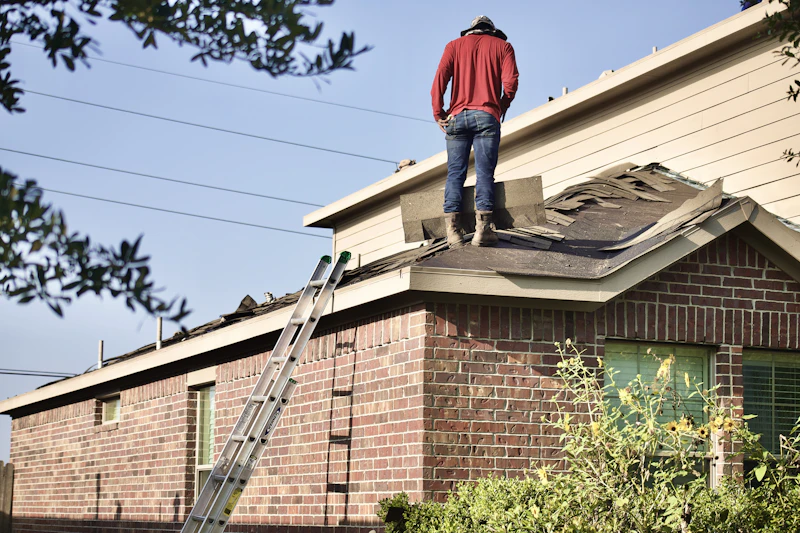
Based on Bureau of Labor Statistics wage data for the Riverside-San Bernardino-Ontario metropolitan area, roofing in Ontario costs between $2,370 and $16,700, with an average of $5,760.
Roofing Cost Breakdown — Ontario, CA
| Service/Item | Low Estimate | Average | High Estimate |
|---|---|---|---|
| Asphalt Shingles (per sq) | $130 | $180 | $280 |
| Metal Roofing (per sq) | $350 | $470 | $680 |
| Flat Roof Repair | $250 | $360 | $550 |
| Full Replacement (2,000 sq ft) | $4,340 | $5,760 | $8,200 |
| Roof Inspection | $20 | $40 | $70 |
| Gutter Installation (per ft) | $10 | $10 | $20 |
Is It Time for Roofing? Warning Signs
Ontario, CA’s climate is split—coastal Mediterranean mildness gives way to inland heat where summer temperatures regularly hit 100°F or higher. This extreme shift stresses roofing materials, especially on ranch homes and Spanish-style houses with clay tile or stucco parapets.
Add wildfire smoke that degrades asphalt over time and occasional seismic activity requiring retrofitting, and your roof faces more than just rain. Recognizing early warning signs isn’t just about leaks—it’s about staying ahead of regional stressors.
Look for these red flags:
- Curled or blistered shingles, especially on south-facing slopes exposed to relentless inland sun
- Granule buildup in gutters—a sign UV degradation is breaking down asphalt layers
- Visible cracks in tile or flashing near stucco transitions, common in older tract homes
- Dark streaks from algae or soot accumulation during wildfire season, which retain heat and accelerate wear
- Interior ceiling spots after heavy winter rains, signaling compromised underlayment
- Local labor rates — Labor in Ontario averages 25% above the national rate due to high regional cost of living, strong union presence in construction trades, and sustained demand from both residential development and retrofitting needs. With BLS reporting hourly rates at $28.17, skilled roofing labor commands premium pay, especially for licensed professionals experienced in seismic and fire-resistant installations.
- Seasonal demand — Roofing demand peaks in late spring and early fall when inland valley temperatures are manageable, avoiding the extreme summer heat that regularly exceeds 100°F. Contractors often charge 10–20% more during these high-demand windows, while off-peak winter months may offer better availability and modest pricing flexibility.
- Project scope — A minor repair for wind-lifted shingles or flashing damage costs significantly less than a full tear-off and replacement, especially when hidden structural damage from moisture or termites is uncovered. The gap between low and high estimates often reflects underlying decking repairs, underlayment upgrades, or compliance with current building codes.
- Permits & inspections — California State License Board (CSLB) requires a licensed contractor for any roofing job over $500. Ontario projects must also comply with Title 24, the nation’s strictest energy code, which can influence ventilation and radiant barrier requirements. Permit fees typically range from $50 to $300, depending on project size and jurisdictional reviews.
- Materials quality — Builder-grade asphalt shingles cost notably less than premium architectural shingles, Class A fire-rated materials, or clay tile commonly seen on Spanish-style homes. Upgrading to impact-resistant or cool-roof materials—ideal for heat and wildfire smoke mitigation—can increase material costs by 30–50%, but improve durability and energy efficiency.
- Property characteristics — Ranch homes and mid-century houses with low-slope roofs are common in Ontario and typically cost less to re-roof than multi-story or stucco-clad homes with complex rooflines. Accessibility, roof pitch, and second-story work increase labor time and safety requirements, directly affecting final pricing.
- Emergency vs scheduled — Storm damage or sudden leaks often require emergency service, where after-hours or weekend response can cost 1.5 to 2 times standard rates. Scheduling repairs during non-peak hours or in advance avoids these premiums and allows for competitive bidding and better material planning.
The best time to act isn’t after damage appears—it’s before peak stress hits. Schedule inspections in late spring before summer heat intensifies material fatigue. Avoid winter months when rain delays projects and contractors raise rates due to compressed timelines.
Emergency rates apply when wind, fire damage, or sudden leaks require immediate tarping and repair.
These calls often cost more due to after-hours labor and expedited material delivery. To avoid them, invest in preventative maintenance: clean gutters twice a year, inspect flashing after wildfire season, and reinforce roof-to-wall connections if your home predates modern seismic codes.
What Drives Price Differences Between Contractors
Labor in Ontario runs at $28.17/hr according to BLS data, but roofing isn’t just about hourly wages.
The real cost drivers stem from local conditions and construction styles. Contractors factor in extreme heat that demands heat-resistant underlayment, wildfire-rated materials in high-risk zones, and specialized techniques for Spanish tile or stucco integration—all common across mid-century homes and newer developments near the 60 and 15 freeways. Homeowners may also want to compare Roofing in Los Angeles.
Contractor markup typically ranges from 20–35%, covering insurance, equipment, and project management. For a nearby comparison, check Roofing in Anaheim.
But in Ontario, that markup often stretches higher due to compliance with strict Cal-OSHA heat safety rules, disposal fees at local landfills like ZWOC, and the need for licensed retrofitting in earthquake-prone areas. These aren’t hidden costs—they’re necessary premiums for working safely and legally in this market. Homeowners may also want to compare plumbing costs in Ontario.
Compared to the national average, roofing here runs about 25% higher. That’s not price gouging—it reflects real regional demands.
A ranch home in Alta Loma with a low-slope tile roof requires different expertise than a two-story tract house in Upland with asphalt shingles and attic ventilation challenges. Contractors with experience in stucco-clad gable ends or custom metal flashing at roof penetrations command higher rates because those details fail quietly and cost more to fix later.
Material choice also shifts pricing.
Clay tile, popular in Spanish revival homes, costs more to install and repair than asphalt—but lasts decades under Ontario’s sun. Contractors who specialize in these systems charge more, but their work prevents long-term water intrusion at stucco interfaces, a chronic issue in homes built before 2000.
Financing Options for Roofing in CA
Paying cash is ideal, but not always practical when facing unexpected repairs. Most established contractors in Ontario offer in-house payment plans—typically 12 to 24 months with deferred interest if paid in full. These are easier to qualify for than bank loans and avoid third-party fees.
Home equity loans or HELOCs are strong options if you’ve built significant value, especially with current property appreciation in the Inland Empire.
They offer lower interest rates and potential tax benefits, but require good credit and equity. Personal loans work for smaller projects or if you’re renting out a room, but watch for higher APRs that erode savings.
Some contractors partner with lenders offering 0% financing for 6–18 months. These can be useful if you’re certain you’ll pay before the deferred period ends—otherwise, interest retroactively applies from day one. Use them only when cash flow is tight but repayment is guaranteed.
Financing makes sense when replacing a failing roof that threatens structural integrity or when bundling with attic insulation or solar prep. It’s less wise for cosmetic upgrades unless you’re preparing to sell in a competitive market like Montclair or Fontana.
How to Avoid Overpaying in Ontario
Overpaying isn’t just about inflated quotes—it’s about missing local leverage. Related: hvac costs in Ontario.
Start by getting three detailed bids that specify materials, labor hours, and disposal methods. Contractors who itemize are more transparent, especially when dealing with ZWOC landfill fees or tile recycling costs unique to this region. See how costs compare: Roofing in Long Beach.
Negotiate based on timing. Schedule replacements in September or October—after summer heat peaks but before winter rains. Some contractors offer 5–10% discounts to fill gaps in their calendar. Avoid May through August when demand spikes and crews are stretched thin across the Inland Empire.
Bundling is your strongest tool.
Pair roof replacement with attic ventilation upgrades, which are critical in homes where heat traps under low-pitch roofs. Many contractors reduce overall labor costs when combining services, especially if they’re already setting up scaffolding or safety netting for tile work.
Ask about material discounts. Contractors with volume deals on Class A fire-rated shingles or recycled clay tile can pass savings to you. Also, verify they’re using local suppliers—transport from Ontario-based distributors cuts fuel surcharges compared to hauling from LA or Riverside.
Finally, check if your city or utility offers rebates for cool roofing materials that reflect heat.
While not widespread, some SCE incentive programs reward energy-efficient upgrades, particularly in homes with solar plans. These won’t cover much, but every reduction helps in a market where labor and compliance costs push roofing above national averages.
What Affects Roofing Costs in Ontario?
What Affects Roofing Costs in Ontario, CA?
Homeowners in Ontario, CA face unique factors that influence roofing project costs. From local labor rates to wildfire-related wear and strict energy codes, understanding these variables helps ensure informed decisions and accurate budgeting.
Popular Roofing Brands in Ontario
Frequently Asked Questions
How much does roofing cost in Ontario, CA?
The average roofing cost in Ontario, CA is $5,760, with prices typically ranging from $2,370 to $16,700 depending on roof size, materials, and labor. This reflects local labor rates, which average $28.17 per hour according to the U.S. Bureau of Labor Statistics (BLS). Costs can vary significantly based on whether you're replacing or repairing, and the type of shingles or materials used. Steeper roofs or those with complex designs will also increase labor time and overall expense.
Why is roofing more expensive in Ontario than the national average?
Roofing in Ontario, CA tends to be higher than the national average due to elevated labor and material costs in the Riverside-San Bernardino-Ontario metro area. The BLS reports local roofers earn $28.17/hr on average, which exceeds many other U.S. regions. Additionally, building code requirements, permitting fees, and higher overhead for contractors contribute to increased project costs. Limited contractor availability during peak seasons can also drive up prices.
How can I save money on roofing in Ontario?
You can save money by scheduling roofing work during off-peak months like late fall or winter when contractors may offer discounts due to lower demand. Getting multiple bids ensures competitive pricing, and choosing mid-grade asphalt shingles instead of premium materials can reduce costs without sacrificing durability. Avoiding roof replacements during high-demand periods helps prevent price surges due to labor shortages. Maintaining your roof regularly can also delay costly replacements.
Do I need a permit for roofing in CA?
Yes, most roofing projects in California, including repairs and replacements, require a permit from your local building department. Permits ensure the work meets state and local building codes, especially for weather resistance and structural safety. The contractor typically handles permit applications, and costs may be included in the overall quote. Skipping permits can lead to fines or issues when selling your home.
How long does roofing take in Ontario?
A typical roof replacement in Ontario, CA takes 1 to 3 days for an average-sized home, depending on complexity and weather conditions. Simple asphalt shingle replacements may be completed in a single day, while larger or steeper roofs with multiple layers can take longer. Unforeseen issues like rot or structural damage may extend the timeline. Labor availability, based on the BLS-reported $28.17/hr wage rate, can also affect scheduling and duration.
What warranty should I expect from a roofing contractor?
Most reputable roofing contractors in Ontario offer a labor warranty of 2 to 5 years, covering workmanship issues like leaks or improper installation. Materials typically come with separate manufacturer warranties ranging from 10 to 50 years, depending on the shingle type. Always get warranty terms in writing and verify what's covered, as exclusions like storm damage are common. Given the local labor rate of $28.17/hr (BLS), higher-quality workmanship often correlates with longer labor warranties.
What's the best time of year for roofing in Ontario?
The best time for roofing in Ontario is late fall or early winter, when demand is lower and contractors may offer better rates. Summer months see high demand due to dry weather, leading to scheduling delays and potentially higher prices. Mild temperatures in fall and spring also provide ideal conditions for sealant application and shingle adhesion. Scheduling during off-peak times can help you avoid labor bottlenecks, especially given the local $28.17/hr wage rate (BLS) and contractor availability.
