How Much Does Plumbing Cost in Ontario, CA?
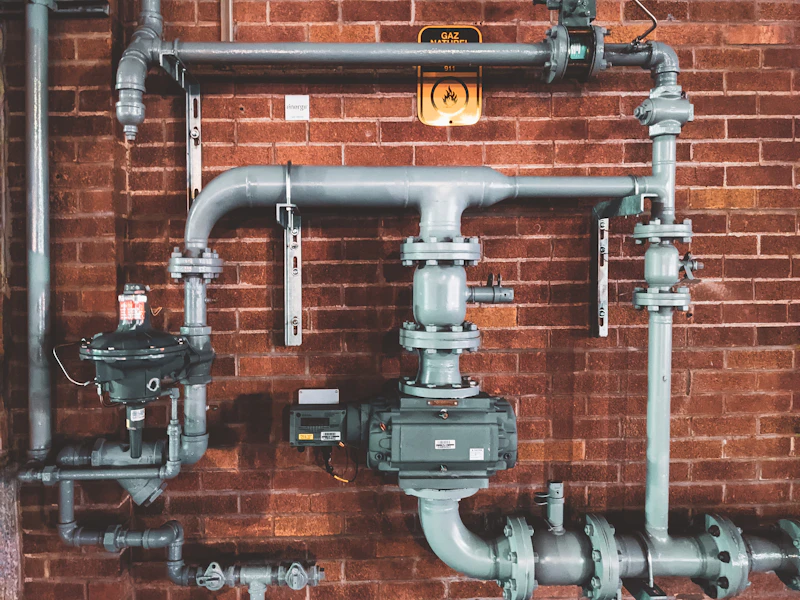
Based on Bureau of Labor Statistics wage data for the Riverside-San Bernardino-Ontario metropolitan area, plumbing in Ontario costs between $80 and $3,750, with an average of $380.
Plumbing Cost Breakdown — Ontario, CA
| Service/Item | Low Estimate | Average | High Estimate |
|---|---|---|---|
| Faucet Repair/Replace | $90 | $130 | $210 |
| Toilet Repair | $90 | $140 | $230 |
| Water Heater Install | $1,100 | $1,430 | $2,000 |
| Drain Cleaning | $50 | $80 | $140 |
| Pipe Leak Repair | $150 | $220 | $350 |
| Sewer Line Repair | $1,610 | $2,200 | $3,260 |
How Plumbing Pricing Works in the Riverside-San Bernardino-Ontario Area
Ontario’s plumbing costs reflect a market shaped by climate extremes, housing diversity, and regulatory rigor.
Unlike coastal cities with milder weather, inland valleys like Ontario regularly hit 100°F in summer, accelerating wear on outdoor plumbing and increasing demand for irrigation and water-efficient fixtures. Winter freezes are rare, but thermal expansion from daily temperature swings stresses pipes over time—especially in older ranch homes and mid-century builds with galvanized steel or outdated polybutylene lines.
The Bureau of Labor Statistics reports a median plumber wage of $36.69/hour here, but that’s just the starting point. Contractors in San Bernardino County typically apply a 40–60% overhead and profit margin to cover insurance, vehicle costs, tools, and permit coordination.
That markup reflects real operational costs: maintaining a fleet across a sprawling metro, complying with strict Title 24 energy codes, and carrying liability coverage in an area prone to seismic activity. Earthquake retrofitting isn’t optional—it’s embedded in plumbing code updates, requiring flexible gas connectors and secure water heater bracing in most remodels.
Plumbing in Ontario runs about 25% above the national average, not because labor is overpriced, but because the work is more complex. Stucco-clad homes dominate the landscape, meaning even a minor pipe repair often involves cutting through rigid exteriors and patching with specialized materials.
Spanish-style tile roofs and low-slope designs complicate rooftop plumbing vents and rainwater management. Newer tract developments in East Ontario demand coordination with smart-home systems, solar-ready water heaters, and drought-tolerant irrigation—all governed by local amendments to Title 24. Homeowners may also want to compare Plumbing in Los Angeles.
Material costs also climb due to regional supply chains. While copper and PEX are standard, wildfire smoke seasons have disrupted deliveries from regional distribution hubs, creating short-term spikes. For a nearby comparison, check Plumbing in Anaheim.
Contractors who stockpile materials absorb some of that risk, but it’s factored into bids. Finally, permit fees in Ontario and neighboring Chino aren’t the highest in SoCal, but the review process is thorough—especially for multi-family or ADU projects—adding time and administrative cost that feeds into final pricing. Homeowners may also want to compare electrical costs in Ontario.
What to Expect During the Estimate Process
When you call a licensed plumber in Ontario, the first conversation is about scope: what’s failing, how long it’s been an issue, and whether it’s an emergency. If it’s not a burst pipe or gas leak, the next step is a site visit—usually within 24–48 hours.
This isn’t a drive-by quote. A qualified contractor walks the property, checks access points, reviews water pressure, and inspects visible lines, especially in slab-on-grade homes where slab leaks are common.
During the estimate visit, expect diagnostics: camera inspections for sewer lines, thermal imaging for hidden leaks, and possibly a water meter test to detect slab leaks.
The plumber will note construction type—stucco over wood or CMU, raised foundations, or slab—because access determines labor hours. They’ll also check if your home falls under Ontario’s updated plumbing code for seismic bracing or if your water heater needs a newer, earthquake-resistant model.
Most estimates are delivered within 1–3 business days. A detailed quote includes line-item labor, materials, permit costs, and disposal fees.
For larger jobs—like repiping a 1950s ranch home or upgrading sewer lines to PVC—expect a 7–14 day lead time after contract signing due to permit processing through the City of Ontario’s online portal. Smaller repairs, like fixing a leaking irrigation valve or replacing a toilet, can often be completed the same week. Related: hvac costs in Ontario.
Timeline isn’t just about availability. In summer, crews may stagger work to avoid peak heat, especially on outdoor projects. Wildfire season can delay material deliveries. Always confirm whether the quoted timeline includes permit approval—some contractors build in a buffer, others don’t. See how costs compare: Plumbing in Long Beach.
DIY vs. Professional Plumbing: When It Makes Sense
| Safe for DIY | Hire a Pro |
|---|---|
| Replacing a showerhead or aerator | Installing or relocating a water heater |
| Unclogging a drain with a hand auger | Running new PEX lines through walls or slab |
| Replacing a toilet flapper or fill valve | Repairing a slab leak or sewer line collapse |
| Connecting a dishwasher or washing machine supply line | Upgrading main water shut-off or sewer cleanout |
| Adjusting irrigation system timers or nozzles | Any work requiring a permit or city inspection |
DIY can save money on simple fixes, but Ontario’s climate and code environment raise the stakes. A misconnected irrigation line might seem minor, but overwatering in clay-heavy soil can lead to foundation shifts—common in older neighborhoods near Mission Boulevard.
Worse, unpermitted work can void insurance claims. If a DIY pipe repair fails and causes water damage, your homeowner’s policy may deny the claim, especially if the work didn’t meet Title 24 or local plumbing code.
California law requires a CSLB license for any job over $500. That’s not bureaucracy—it’s protection.
Licensed contractors carry workers’ comp and liability insurance. If a handyman gets hurt on your property, you could be on the hook for medical costs. Always verify license status at CSLB.ca.gov before signing anything.
Questions to Ask Before Signing a Contract
- Is your CSLB license active and classified for plumbing? Check the number online. “B” (General Building) contractors can’t legally do plumbing unless they subcontract to a “C-36” licensed plumber.
- Will you pull the permit and schedule inspections? In Ontario, most plumbing jobs over $1,000 require permits. The contractor should handle this—not you.
- Does the quote include disposal of old materials and stucco patching? Cutting into stucco without proper repair leads to water intrusion and mold—common in older homes.
- Are seismic bracing and flexible gas connectors included? Required by code for water heaters. Skipping them risks failed inspections and fines.
- What’s your warranty on labor and materials? Reputable contractors offer 1–2 years on labor, matching manufacturer warranties on fixtures.
- Can you provide references from recent Ontario-area jobs? Ask for two, and call them. Ask about timeline, cleanup, and how issues were handled.
Red flags: cash-only demands, pressure to sign same-day, or refusal to provide a written contract. During the estimate, if the plumber doesn’t inspect the main shut-off or check for slab leaks in a home over 30 years old, walk away. In Ontario’s market, experience isn’t a luxury—it’s the difference between a fix that lasts and one that floods your living room in year two.
What Affects Plumbing Costs in Ontario?
What Affects Plumbing Costs in Ontario, CA?
Homeowners in Ontario, CA face unique factors that influence plumbing repair and installation costs. From regional labor rates to seasonal extremes and local building codes, understanding these elements helps you plan and budget effectively.
- Local labor rates — Plumbing labor in Ontario averages 25% above the national rate due to high regional costs of living, strong union presence among skilled trades, and sustained demand from both residential development and aging infrastructure upgrades across the Inland Empire.
- Seasonal demand — Summer brings peak demand as inland valleys regularly exceed 100°F, increasing strain on water heaters and irrigation systems. Contractors often charge 10–20% more during June–September due to high volume, while winter offers lower rates but risks weather-related delays from occasional rain or wildfire smoke advisories.
- Project scope — A simple faucet repair differs drastically from repiping an entire home. The gap between low and high estimates often reflects hidden damage behind stucco walls, slab leak investigations, or the need to reroute pipes through concrete foundations common in mid-century and ranch-style homes.
- Permits & inspections — California State License Board (CSLB) rules require licensed plumbers for jobs over $500. Ontario enforces strict Title 24 energy and water efficiency codes, which impact fixture flow rates and water heater sizing. Permit fees typically range from $50 to $300 depending on project complexity.
- Materials quality — Builder-grade PEX or polybutylene may cost 30–50% less than premium copper or tankless water heating systems. In wildfire-prone areas, fire-resistant materials and seismic-rated pipe supports are increasingly common, affecting long-term durability and upfront costs.
- Property characteristics — Older Spanish-style and stucco homes in neighborhoods like North Ontario often have limited access behind walls, increasing labor time. Multi-story homes and those with slab foundations require more diagnostic work, especially when leaks occur beneath flooring or in tight crawl spaces.
- Emergency vs scheduled — After-hours, weekend, or holiday service—common during sudden slab leaks or burst pipes—can cost 1.5 to 2 times the standard rate. Scheduling during business hours avoids these premiums and ensures faster permitting and inspection follow-up under local San Bernardino County rules.
Popular Plumbing Brands in Ontario
Frequently Asked Questions
How much does plumbing cost in Ontario, CA?
The average plumbing cost in Ontario, CA is $380, with prices typically ranging from $80 to $3,750 depending on the job complexity. This reflects a median hourly wage of $36.69 for plumbers in the Riverside-San Bernardino-Ontario metro area, according to the U.S. Bureau of Labor Statistics (BLS). Common services like leak repairs or faucet installations fall on the lower end, while full repipes or sewer line work drive costs higher. Prices also vary by contractor, materials, and emergency service fees.
Why is plumbing more expensive in Ontario than the national average?
Plumbing costs in Ontario, CA are higher than the national average due to elevated labor rates and cost of living in Southern California. The BLS reports a local plumber wage of $36.69/hr, which exceeds the national average, contributing to higher service fees. Additional factors include stricter building codes, permit requirements, and demand driven by older housing stock in the Inland Empire region.
How can I save money on plumbing in Ontario?
You can save money by scheduling repairs early before small issues become costly emergencies, and by getting multiple quotes from licensed contractors in the Ontario area. Avoid after-hours or weekend calls when rates can surge, and consider preventative maintenance like drain cleaning to avoid major clogs. Always verify a plumber's license and hourly rate based on BLS-informed wage benchmarks to avoid overpaying.
Do I need a permit for plumbing in CA?
Yes, most plumbing work in California requires a permit, including new installations, repairs involving pipe replacement, and water heater replacements. Permits ensure work complies with the California Plumbing Code and are typically pulled by licensed contractors. Failure to obtain permits can result in fines and complications during home sales, so always confirm permit requirements with your local building department.
How long does plumbing take in Ontario?
Simple plumbing repairs like fixing a leak or unclogging a drain in Ontario typically take 1–2 hours. Larger jobs such as repiping a bathroom or replacing a water heater may take 1–3 days depending on complexity and access. Emergency services are often available the same day, while scheduled work may have a wait of a few days due to contractor availability in the busy Inland Empire market.
What warranty should I expect from a plumbing contractor?
Most reputable plumbing contractors in Ontario offer a minimum one-year labor warranty on new installations and repairs, in addition to manufacturer warranties on parts and fixtures. Some companies provide extended warranties on tankless water heaters or full repipe jobs. Always get the warranty terms in writing and confirm they cover both labor and materials, as this protects your investment beyond the initial BLS-based service cost.
What's the best time of year for plumbing in Ontario?
The best time for plumbing work in Ontario is during fall or early winter, before holiday rates and cold-weather emergencies spike demand. Contractors are often less busy in September and October, allowing for faster scheduling and potentially lower rates. Avoid summer months when HVAC and plumbing demands overlap, especially during heatwaves that strain water systems. Off-peak scheduling helps you avoid rush fees and ensures timely service at standard BLS-aligned labor costs.
