How Much Does Electrical Cost in San Jose, CA?
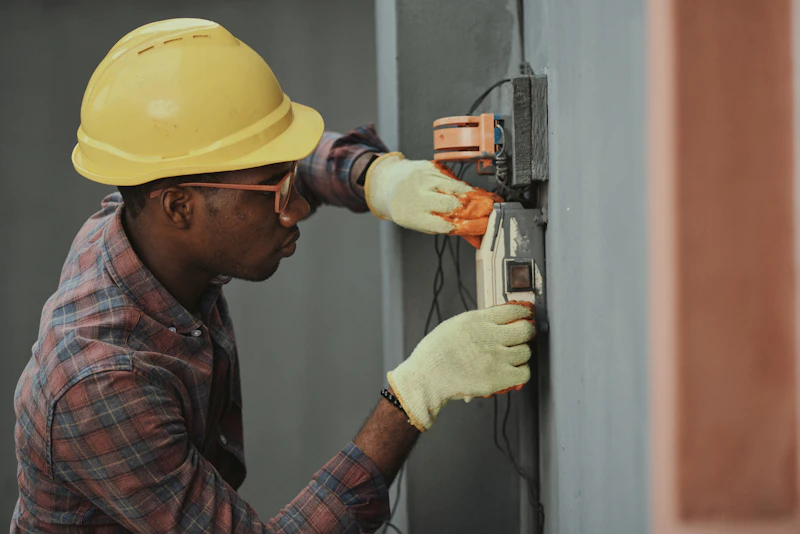
Based on Bureau of Labor Statistics wage data for the San Jose-Sunnyvale-Santa Clara metropolitan area, electrical in San Jose costs between $80 and $5,070, with an average of $720.
Electrical Cost Breakdown — San Jose, CA
| Service/Item | Low Estimate | Average | High Estimate |
|---|---|---|---|
| Outlet Installation | $50 | $80 | $140 |
| Ceiling Fan Install | $180 | $260 | $400 |
| Panel Upgrade (200 amp) | $1,460 | $1,940 | $2,780 |
| EV Charger Install | $770 | $1,020 | $1,450 |
| Whole House Rewiring | $3,050 | $4,110 | $5,970 |
| Light Fixture Install | $70 | $110 | $170 |
Complete Guide to Electrical in San Jose
San Jose’s electrical demands are shaped as much by its geography as its housing. From the foothills of the Diablo Range to the flatter West San Jose neighborhoods, homes face unique challenges: summer heat spikes that push AC systems to the limit, seasonal wildfire smoke that disrupts outdoor electrical work, and a building code environment that prioritizes seismic resilience.
As a licensed contractor with nearly two decades in this metro, I’ve seen how outdated knob-and-tube wiring in 1950s ranch homes clashes with the need for EV chargers and smart-home circuits in today’s market. Spanish-style stucco homes often hide brittle, decades-old aluminum wiring behind thick walls, while newer tract developments in Almaden Valley may have under-sized panels ill-equipped for modern loads.
The city’s strict adherence to the California Electrical Code—updated more aggressively than the national standard—means upgrades aren’t just about convenience. They’re often required.
Earthquake retrofitting, for example, now commonly includes securing electrical panels and conduits to prevent fire risks during seismic events. Add in the region’s dry inland summers, where temperatures routinely exceed 100°F, and you’ve got a climate that stresses both equipment and labor efficiency. Older homes in Rose Garden or Naglee Park may need full re-wiring not because circuits fail, but because insurance providers refuse coverage on outdated systems.
Electrical pricing in San Jose runs about 25% above national averages—and for good reason. Skilled labor is in high demand, permitting is rigorous, and material costs are inflated by Bay Area logistics.
A job that might cost less elsewhere involves multiple inspections here, especially in historic districts or homes near wildland-urban interfaces where fire-hardening measures are mandated. Whether you’re upgrading a panel in a mid-century modern home in Willow Glen or installing outdoor lighting in a backyard with stucco walls and drought-tolerant landscaping, expect complexity to drive cost. Homeowners may also want to compare Electrical in Los Angeles.
Material and Labor Cost Breakdown
In San Jose, labor typically accounts for 60–70% of total electrical project costs, with materials making up the remainder. This split reflects both the high skill level required and the local wage environment. For a nearby comparison, check Electrical in San Diego.
According to the Bureau of Labor Statistics, the mean hourly wage for electricians in this area is $37.01—but that’s just the starting point. Contractors must add overhead (vehicle, tools, insurance, licensing), payroll taxes, and a margin for business sustainability. That’s why billed rates are higher, even on routine service calls. Homeowners may also want to compare plumbing costs in San Jose.
The wide range between low and high estimates comes down to three factors: accessibility, code compliance, and hidden conditions. A simple outlet replacement in a newer Campbell tract home with accessible drywall might land near the low end.
But the same job in a 1960s Saratoga foothill home with stucco exteriors, rock lath walls, and no attic access could require demolition, structural patching, and additional labor—pushing it toward the upper range. Older homes often reveal issues mid-job: corroded wires, improper grounding, or junctions buried behind tile or plaster. These aren’t upsells—they’re necessary corrections to meet current Title 24 energy standards and city permitting rules.
Material choices also affect pricing. While basic switches and outlets are commoditized, arc-fault breakers, smoke/CO combo detectors, and GFCI devices required by California law add cost.
Upgrading to smart panels or surge protection—increasingly common in areas prone to wildfire-related grid fluctuations—adds further. Always ask if the quote includes disposal of old materials and permit fees, which vary by jurisdiction within the metro but are rarely waived.
Timeline and Scheduling Considerations
Timing your electrical work in San Jose isn’t just about convenience—it affects cost, quality, and safety. Peak demand runs from April through October, when homeowners prep for summer cooling loads or finish outdoor living spaces before school resumes.
During these months, lead times stretch, and emergency calls spike after heat-related outages. Off-peak, particularly November to February, offers better availability—but beware of rain delays, especially in hillside areas like Los Gatos or Monte Sereno where mud can block access to meter bases or subpanels.
- Schedule panel upgrades or whole-house rewires in late fall or early winter to avoid summer heat stress on crews and equipment.
- Book outdoor lighting or EV charger installations by March to secure spots before the dry season limits open-air work during smoke events.
- Avoid scheduling during wildfire season (July–November) if your project requires utility coordination—PG&E often restricts de-energizing lines when red flag warnings are active.
- Coordinate electrical retrofits with other renovations—drywall repair after wire access is easier when already under construction.
- Submit permit applications early; the City of San Jose and neighboring jurisdictions can take 10–14 days for plan review, especially for jobs involving seismic bracing or solar intertie.
- Local labor rates — Electricians in San Jose earn wages approximately 25% above the national average, with BLS reporting hourly rates at $37.01. This reflects the region’s high cost of living, strong union presence in construction trades, and sustained demand from both residential retrofits and tech-driven commercial development.
- Seasonal demand — Electrical work peaks in late summer when homeowners prepare for wildfire season and upgrade cooling systems ahead of 100°F+ inland valley heat. Contractors may charge 10–20% more during these high-demand months due to limited scheduling availability and increased emergency call volume.
- Project scope — A simple outlet repair differs drastically in cost from a full panel upgrade or whole-home rewiring. The gap between low and high estimates often comes down to hidden wiring issues, circuit load requirements, and whether the job includes smart home integration or backup power systems.
- Permits & inspections — In California, any electrical job over $500 requires a CSLB-licensed contractor and a permit. San Jose enforces Title 24, the nation’s strictest energy code, which can affect circuit design and HVAC electrical loads; permit fees typically range from $50 to $300 depending on project complexity.
- Materials quality — Choosing between builder-grade and premium electrical components can result in a 30–50% price difference. Upgrades like tamper-resistant outlets, arc-fault breakers, or smart panels from brands like Siemens or Square D add cost but improve safety and compliance with local fire and energy codes.
- Property characteristics — Older Spanish-style homes with stucco walls or mid-century ranches with slab foundations make wiring access difficult, increasing labor time. Multi-story homes and properties with limited attic or crawlspace access also raise costs due to added complexity and safety measures.
- Emergency vs scheduled — After-hours, weekend, or urgent calls—especially during wildfire power shutoffs or earthquake preparedness surges—can trigger emergency rates 1.5 to 2 times higher than standard pricing. Scheduling non-urgent work during off-peak hours avoids these premiums.
Emergency rates apply after hours, weekends, or during public safety power shutoffs.
To avoid them, maintain your system: test GFCIs monthly, monitor for flickering lights or warm outlets, and upgrade panels before they fail. Many 100-amp panels in homes built before 1985 are nearing end-of-life—replacing them proactively saves thousands in crisis repairs. Related: hvac costs in San Jose.
Protecting Yourself: Warranties and Guarantees
In California, reputable electrical contractors offer a minimum 1-year labor warranty on installations, covering defects in workmanship. See how costs compare: Electrical in San Francisco.
Materials usually carry manufacturer warranties—five years for breakers, lifetime for certain conduit systems—but you must keep receipts and installation records. Always confirm in writing whether the warranty covers call-backs for issues arising from proper use, not external damage or utility surges.
Licensing is non-negotiable. Your contractor must hold a valid C-10 license from the CSLB, carry workers’ compensation insurance, and be bonded.
Verify their license status at www.cslb.ca.gov—a step many homeowners skip, only to discover uninsured handymen caused damage. In San Jose, unlicensed work can void home insurance and block future sales, as buyers’ inspectors flag unpermitted electrical modifications.
Before work begins, get a written agreement that includes: scope of work, permit responsibility, timeline, payment schedule (never more than 10% down), and cleanup expectations. For jobs over $500, California law requires a signed contract.
Include clauses about change orders—common in older homes where hidden wiring issues emerge. If a contractor refuses to put it in writing, walk away. In a market this complex, clarity isn’t optional—it’s your best protection.
What Affects Electrical Costs in San Jose?
What Affects Electrical Costs in San Jose?
Homeowners in San Jose-Sunnyvale-Santa Clara face unique factors that influence electrical repair and upgrade costs. From local labor markets to climate-driven demand and strict energy codes, understanding these elements helps you plan and budget effectively.
Popular Electrical Brands in San Jose
Frequently Asked Questions
How much does electrical cost in San Jose, CA?
Electrical work in San Jose, CA, part of the San Jose-Sunnyvale-Santa Clara metro area, averages $720, with costs typically ranging from $80 to $5,070 depending on project scope. Labor rates average $37.01 per hour according to the U.S. Bureau of Labor Statistics (BLS), among the highest in the nation. Factors like job complexity, materials, and required permits influence final pricing. This average reflects both minor repairs and larger installations.
Why is electrical more expensive in San Jose than the national average?
Electrical services in San Jose are more expensive due to high local labor costs, a competitive job market, and elevated cost of living, all driving up contractor wages. The BLS reports an hourly mean wage of $37.01 for electricians in this metro area, well above the national average. Strict California building codes and energy efficiency requirements add to labor and material expenses. Additionally, demand for skilled trades in the tech-heavy region further increases prices.
How can I save money on electrical in San Jose?
To save on electrical costs, get multiple bids from licensed contractors and schedule work during off-peak seasons when demand is lower. Bundling multiple electrical projects can reduce labor time and overall costs. Always verify contractor licenses and avoid unlicensed workers to prevent costly rework or code violations. Planning ahead helps avoid emergency service fees, which are common with after-hours electrical issues.
Do I need a permit for electrical in CA?
Yes, most electrical work in California requires a permit, including new installations, panel upgrades, and major rewiring. Permits ensure work complies with the California Electrical Code and are typically obtained by licensed contractors. Small repairs like replacing outlets or light fixtures may not require permits, but it's best to check with the local San Jose building department. Failure to get a permit can result in fines or failed home inspections during resale.
How long does electrical take in San Jose?
The duration of electrical work in San Jose varies: simple repairs may take a few hours, while full home rewiring or panel upgrades can take several days. Permit approval times from the city can add 1–3 business days before work begins. Larger projects may also require inspections at multiple stages, extending the timeline. Scheduling with contractors during less busy periods may reduce wait times.
What warranty should I expect from a electrical contractor?
Most reputable electrical contractors in San Jose offer a warranty of 1 to 2 years on labor, while parts and fixtures may carry separate manufacturer warranties. Always ask for the warranty terms in writing before work begins. Some contractors offer extended warranties for an additional fee, particularly for high-end installations. Warranties typically cover defects in workmanship but exclude damage from external factors or homeowner modifications.
What's the best time of year for electrical in San Jose?
The best time for electrical work in San Jose is during late fall or winter, when demand for contractors is lower due to reduced construction activity. Scheduling during this period may lead to faster appointments and potential cost savings. The mild climate in the area allows year-round work, so off-peak months offer scheduling advantages without weather delays. Contractors may also have more availability to dedicate to your project during slower seasons.
