How Much Does Plumbing Cost in San Jose, CA?
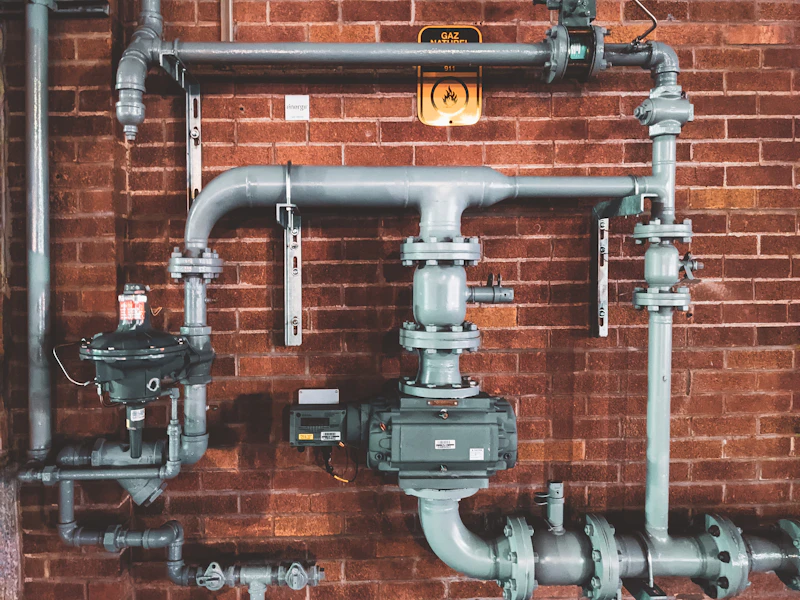
Based on Bureau of Labor Statistics wage data for the San Jose-Sunnyvale-Santa Clara metropolitan area, plumbing in San Jose costs between $80 and $3,750, with an average of $380.
Plumbing Cost Breakdown — San Jose, CA
| Service/Item | Low Estimate | Average | High Estimate |
|---|---|---|---|
| Faucet Repair/Replace | $90 | $130 | $210 |
| Toilet Repair | $90 | $140 | $230 |
| Water Heater Install | $1,100 | $1,430 | $2,000 |
| Drain Cleaning | $50 | $80 | $140 |
| Pipe Leak Repair | $150 | $220 | $350 |
| Sewer Line Repair | $1,610 | $2,200 | $3,260 |
Is It Time for Plumbing? Warning Signs
San Jose’s mix of aging ranch homes and newer tract developments means plumbing systems face unique stressors — from dry-rot in stucco-encased supply lines to sediment buildup in hard water zones near the foothills. A slow drip isn’t just noise; it’s a signal.
Persistent musty smells under sinks, discolored water from faucets, or a sudden spike in your Valley Water bill often point to hidden leaks behind walls or under slabs. Gurgling drains, especially in mid-century homes with original cast iron piping, suggest venting issues or partial blockages that worsen during wildfire smoke season when residents run humidifiers and air purifiers nonstop.
The Bay Area’s mild Mediterranean climate means outdoor plumbing rarely freezes, but inland valleys regularly hit 100°F+, expanding PVC lines and stressing joints.
Earthquake retrofitting, now common in Santa Clara County, often uncovers outdated galvanized pipes that need upgrading to meet current plumbing codes. If your Spanish-style home has original fixtures or you’re remodeling a kitchen in a Sunnyvale tract house built in the ’80s, assume hidden corrosion is present.
- Schedule inspections in early fall — after summer strain but before winter rains mask leak signs
- Avoid July–September for major work; labor shortages spike response times during heatwaves
- Pair plumbing upgrades with seismic retrofits — access points are already open, cutting labor
- Watch for slab leak indicators (warm spots on tile floors, unexplained cracks) especially in single-story ranch homes on expansive clay soil
- Test water pressure annually; many San Jose homes exceed 80 psi, risking appliance damage and pipe failure
- Local labor rates — San Jose plumbing labor averages $36.69/hour, about 25% above the national average due to the region’s high cost of living, strong union presence in construction trades, and consistent demand from both new developments and aging housing stock needing upgrades.
- Seasonal demand — Summer brings peak demand for plumbing services as inland valleys regularly exceed 100°F, increasing strain on water heaters and irrigation systems. Contractors may charge 10–20% more during these months due to scheduling pressure and higher call volumes.
- Project scope — A simple leak repair differs drastically in cost from a full repipe or bathroom remodel. The gap between low and high estimates often reflects hidden damage, rerouting through stucco or slab foundations, and whether water or gas lines are involved.
- Permits & inspections — California State License Board (CSLB) rules require licensed plumbers for jobs over $500. San Jose enforces Title 24, the nation’s strictest energy code, which can affect water heater sizing and fixture efficiency. Permit fees typically range from $50 to $300 depending on project complexity.
- Materials quality — Upgrading from builder-grade PEX or galvanized steel to premium options like copper piping or tankless water heaters can increase material costs by 30–50%. Local homeowners often choose durable, corrosion-resistant materials to handle hard water and wildfire-related air particulates.
- Property characteristics — Older Spanish-style homes with stucco exteriors or mid-century ranches on slab foundations are common in San Jose and can complicate access. Multi-story homes or those with finished walls may require more demolition and patching, increasing labor time and cost.
- Emergency vs scheduled — After-hours, weekend, or holiday service—common during winter pipe issues or sudden slab leaks—can cost 1.5 to 2 times the standard rate. Given the area’s earthquake retrofitting needs, burst pipes during seismic events often trigger urgent, premium-priced calls.
Emergency rates apply after 8 PM, weekends, or during declared emergencies like power outages from PG&E shutoffs. To avoid them, act early. A dripping faucet today could mean a burst pipe tomorrow during a 105°F day when demand surges.
Keep a licensed plumber’s number handy — not the first one online. True emergencies include sewage backup, slab leaks, or total water loss. For everything else, schedule during weekday business hours.
What Drives Price Differences Between Contractors
Plumbing costs in San Jose aren’t arbitrary — they reflect a tight labor market, material logistics, and housing diversity. The Bureau of Labor Statistics reports a median wage of $36.69/hr for plumbers in this metro, but experienced journeymen on union projects or high-end remodels often earn more.
Contractors typically mark up labor 20–35% to cover overhead, insurance, and compliance with Santa Clara County’s strict permitting rules.
That markup isn’t padding — it’s what keeps licensed, bonded pros on the job, not handymen cutting corners. Homeowners may also want to compare Plumbing in Los Angeles.
San Jose averages 25% above national plumbing costs. Why? First, housing stock varies wildly within a 10-mile radius. For a nearby comparison, check Plumbing in San Diego.
A 1950s stucco ranch in Willow Glen may have corroded steel pipes buried under concrete, while a newer tract home in Almaden Valley could have accessible PEX but require coordination with smart home systems. Retrofitting earthquake-resistant bracing to water heaters adds time and materials.
Wildfire smoke season increases demand for water treatment systems, which require specialized installation and certification. Homeowners may also want to compare bathroom remodel costs in San Jose.
Mid-century modern homes in Los Gatos foothills often have plumbing routed through exterior walls — problematic when stucco conceals leaks. Repairing these means diagnostic scoping, precise cutting, and cosmetic patching, all at premium rates.
In contrast, newer developments in North San Jose offer easier access but stricter HOA rules, delaying permits. Labor efficiency drops when crews must schedule around community access windows.
Material costs also fluctuate. Copper theft remains a concern, pushing prices up.
PEX is common, but some older neighborhoods still require lead-free brass fittings to meet local codes. And don’t overlook disposal: hauling away old fixtures from a two-bath remodel in a Campbell bungalow adds fees due to Alameda County landfill surcharges.
Financing Options for Plumbing in CA
When a slab leak or full repipe runs into thousands, paying cash isn’t always feasible. Most established plumbing contractors in San Jose offer in-house payment plans — typically 3–6 months no-interest or extended terms with a partner lender.
These are easier to qualify for than bank loans and avoid large upfront outlays. Some tie financing to seismic upgrades, aligning with California’s incentives for resilient infrastructure.
Home equity loans or HELOCs make sense for major overhauls, especially if you’re also updating kitchens or bathrooms.
Rates are often lower than credit cards, and interest may be tax-deductible. Personal loans from credit unions like Peninsula Credit Union or Patelco offer fixed rates and fast approval, ideal for urgent repairs without tapping home equity.
Zero-percent financing through providers like GreenSky or Hearth is common for water-efficient fixtures — think tankless water heaters or low-flow systems that qualify for Valley Water rebates.
These promotions usually require repayment within 12–18 months to avoid retroactive interest. Read the fine print: late payments can void the entire discount.
Financing beats cash when the repair prevents escalation. Paying over time for a repipe beats emergency costs from water damage or mold remediation.
But for small fixes — a toilet install or faucet swap — cash is simpler and avoids credit checks or paperwork. Related: roofing costs in San Jose.
How to Avoid Overpaying in San Jose
Overpaying starts with poor vetting. See how costs compare: Plumbing in San Francisco.
In a market where unlicensed operators pose as contractors, getting three detailed bids isn’t enough — verify CSLB license status and check for complaints with the Santa Clara County BBB. Ask for references from recent jobs in your neighborhood; a plumber who’s worked on Spanish-style homes in Rose Garden knows how to handle ornate tile without damage.
Negotiate on scope, not hourly rate. Labor at $36.69/hr is standard, but you can reduce total cost by adjusting materials — choosing a reliable mid-tier water heater instead of a premium model, or delaying non-critical upgrades. Some contractors discount 5–10% for upfront payment or referrals. Ask.
Time your project wisely. January and February see the most availability — plumbers are off holiday rush, and demand hasn’t peaked.
You’re more likely to get same-week service and potential discounts. Avoid summer, when crews are stretched thin between new construction in Coyote Valley and AC condensate line repairs during heatwaves.
Bundling saves significantly. Pair a water heater replacement with a sewer line inspection — the permit is already pulled, and mobilization costs are shared.
In older districts like Naglee Park, combining repiping with earthquake retrofitting cuts drywall repair costs by 30–40%. Ask your contractor what services they subcontract — coordinating plumbing, gas, and electrical through one company often unlocks package rates.
Finally, demand line-item estimates. A flat quote hides inefficiencies. A detailed breakdown shows where costs concentrate — is it labor for slab cutting? Specialty fittings for high-pressure zones? With transparency, you can make informed trade-offs without sacrificing quality.
What Affects Plumbing Costs in San Jose?
What Affects Plumbing Costs in San Jose?
Homeowners in San Jose, Sunnyvale, and Santa Clara face unique factors that influence plumbing repair and installation costs. From high labor rates to strict energy codes, local conditions play a major role in pricing. Here’s what shapes your plumbing costs in this region:
Popular Plumbing Brands in San Jose
Frequently Asked Questions
How much does plumbing cost in San Jose, CA?
The average plumbing cost in San Jose, CA is $380, with typical jobs ranging from $80 to $3,750 depending on complexity. Labor rates average $36.69 per hour according to the U.S. Bureau of Labor Statistics (BLS), reflecting the region's high cost of living. Factors like emergency service calls, pipe accessibility, and materials used can significantly impact the final price. This average is higher than many other U.S. metro areas due to local economic conditions and housing density.
Why is plumbing more expensive in San Jose than the national average?
Plumbing in San Jose is more expensive due to high local labor costs, with BLS reporting an hourly average of $36.69—above the national median. The region's elevated cost of living, strict building codes, and demand for skilled trades in the San Jose-Sunnyvale-Santa Clara metro contribute to higher service prices. Additionally, many homes in the area are older and may require specialized work, increasing labor time and material needs. Limited contractor availability during peak seasons can also drive up costs.
How can I save money on plumbing in San Jose?
You can save money by scheduling plumbing repairs during off-peak months, such as late fall or winter, when contractors may offer lower rates due to reduced demand. Getting multiple quotes from licensed, local plumbers helps ensure competitive pricing within the $80–$3,750 typical range. Regular maintenance, like drain cleaning and leak inspections, can prevent costly emergencies. Avoid DIY fixes for major issues, as improper work may lead to more expensive repairs and code violations in California.
Do I need a permit for plumbing in CA?
Yes, most plumbing work in California requires a permit, especially for new installations, gas line work, or major repairs that affect the home's system. Permits ensure work meets the California Plumbing Code and are typically pulled by licensed contractors. Failure to obtain permits can result in fines or issues during home sales. Simple repairs like faucet or toilet replacements usually don't require permits, but it's best to confirm with your local San Jose building department.
How long does plumbing take in San Jose?
Simple plumbing repairs, such as fixing a leak or unclogging a drain, typically take 1–2 hours in San Jose homes. Larger jobs like repiping a bathroom or installing a water heater may take 1–3 days depending on complexity and accessibility. Older homes with slab foundations or concealed piping may require additional time due to demolition and reconstruction needs. Scheduling can also be affected by contractor availability, especially during peak seasons like spring and summer.
What warranty should I expect from a plumbing contractor?
Most reputable plumbing contractors in San Jose offer a labor warranty of 1–2 years on repairs and installations, in addition to manufacturer warranties on parts and fixtures. Some companies provide extended warranties for major jobs like repiping or water heater installation. Always get the warranty terms in writing and verify what's covered—labor, materials, or both. Given the high service costs averaging $380, a solid warranty protects your investment and ensures accountability.
What's the best time of year for plumbing in San Jose?
The best time for plumbing work in San Jose is during the late fall or winter months, particularly November to February, when demand is lower and contractors may offer better rates. Summer and spring are peak seasons due to home improvement and real estate activity, leading to longer wait times and higher prices. Cooler months also reduce the risk of outdoor work delays from heat, though San Jose's mild climate allows year-round service. Scheduling non-emergency repairs in the off-season can save money within the $80–$3,750 cost range.
