How Much Does Roofing Cost in San Jose, CA?
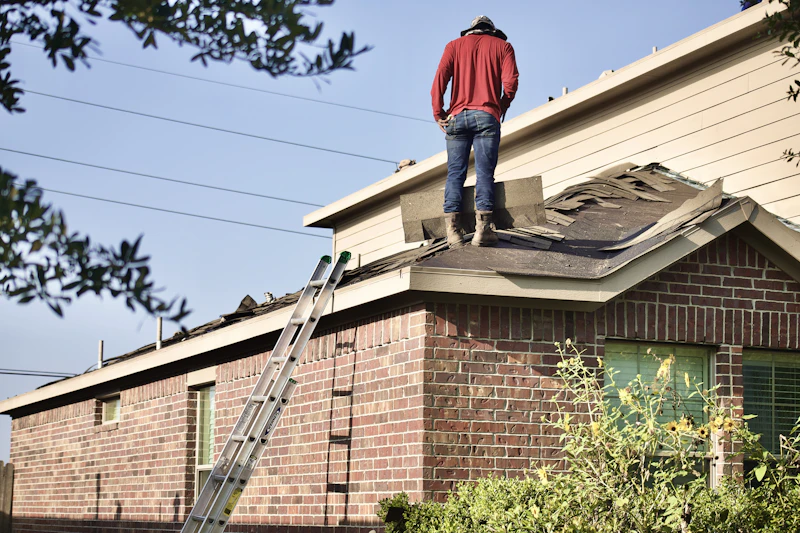
Based on Bureau of Labor Statistics wage data for the San Jose-Sunnyvale-Santa Clara metropolitan area, roofing in San Jose costs between $2,370 and $16,700, with an average of $5,760.
Roofing Cost Breakdown — San Jose, CA
| Service/Item | Low Estimate | Average | High Estimate |
|---|---|---|---|
| Asphalt Shingles (per sq) | $130 | $180 | $280 |
| Metal Roofing (per sq) | $350 | $470 | $680 |
| Flat Roof Repair | $250 | $360 | $550 |
| Full Replacement (2,000 sq ft) | $4,340 | $5,760 | $8,200 |
| Roof Inspection | $20 | $40 | $70 |
| Gutter Installation (per ft) | $10 | $10 | $20 |
| Roofing Type | Material Cost Range | Labor Cost Range | Installation Time |
|---|---|---|---|
| Asphalt Shingle (3-tab) | $2.50–$4.00/sq ft | $2.00–$3.50/sq ft | 2–3 days |
| Architectural Shingle | $4.00–$7.00/sq ft | $2.50–$4.00/sq ft | 3–5 days |
| Concrete Tile | $8.00–$14.00/sq ft | $4.00–$6.00/sq ft | 7–10 days |
| Clay Tile | $10.00–$18.00/sq ft | $5.00–$7.00/sq ft | 10–14 days |
| Standing Seam Metal | $12.00–$20.00/sq ft | $5.00–$8.00/sq ft | 5–7 days |
The San Jose Roofing Market in 2026
Roofing demand in San Jose remains high, driven by aging housing stock, insurance scrutiny, and climate pressures.
Contractors with solid reputations are booked 6–8 weeks out, especially between March and October. The tight labor market means experienced roofers command rates near the $28.17/hr BLS average, but skilled crews are worth the premium—rushed or improper installations lead to callbacks and water damage.
The local economy continues to influence pricing. With home values still elevated across Santa Clara County, homeowners invest in durable materials like tile and metal, pushing average project costs upward.
At the same time, insurance carriers are enforcing steeper premiums for homes with outdated or damaged roofs, accelerating replacement cycles. This has created a seller’s market for quality contractors—those with CSLB licenses and clean records can be selective.
Trends are shifting toward resilience and compliance. Cool roofing materials, which reflect solar heat, are gaining traction due to Title 24 requirements.
Solar-ready framing and underlayment are now standard on most new installations. In neighborhoods like Rose Garden and Willow Glen, homeowners are upgrading to Class A fire-rated assemblies to meet wildfire risk mitigation standards. Metal roofing, once rare, is now common on mid-century and modern homes for its longevity and fire resistance.
How Local Housing Stock Affects Your Costs
San Jose’s mix of architectural styles directly impacts roofing complexity and cost. Ranch homes from the 1950s and 60s dominate Almaden Valley and Burbank, often with low-slope roofs and limited attic access—these require careful tear-off and ventilation upgrades. Homeowners may also want to compare Roofing in Los Angeles.
Spanish-style homes in Naglee Park and Hanchett Residence Park feature clay tile roofs, which are fragile and labor-intensive to replace. Many of these homes have wood decking that rots at the eaves, adding unexpected repair costs. For a nearby comparison, check Roofing in San Diego.
Stucco construction is widespread, and improper roof-to-wall flashing is a chronic issue. When shingles or tiles meet stucco, poor integration leads to water intrusion behind the finish. Homeowners may also want to compare kitchen remodel costs in San Jose.
Correcting this demands skilled detailing and often involves temporary stucco repair, increasing labor hours. Mid-century modern homes in the foothills—common in Los Gatos border areas—have flat or low-pitched roofs with built-up or modified bitumen systems. These require specialized knowledge and frequent maintenance.
Newer tract homes in neighborhoods like Coyote Valley or Silver Creek may have architectural shingles but often lack adequate ventilation or ice-and-water shield in valleys. Upgrading to code-compliant assemblies adds cost but prevents future damage.
Older homes frequently need decking replacement due to dry rot or termite damage—something rarely visible until tear-off. Always budget for contingencies when replacing roofs on homes built before 1980.
Permits, Codes, and Regulations in CA
In California, any roofing job over $500 in labor and materials requires a CSLB-licensed contractor.
Operating without a license risks fines, invalidates insurance, and voids manufacturer warranties. San Jose and most cities in the metro—Sunnyvale, Santa Clara, Campbell—require building permits for full replacements and often for re-roofing over existing layers.
Permit costs typically range from $200 to $600, depending on roof area and complexity. Applications are submitted online through city portals like San Jose’s ePlanCheck or Santa Clara’s Citizen Access.
Approval usually takes 5–10 business days. Inspections are required at underlayment, flashing, and final stages. Skipping permits may save a few hundred dollars upfront but creates major problems during resale—title companies and lenders often require proof of permits for work done after 2000.
California’s Title 24 Energy Code is the strictest in the nation and directly affects roofing. It mandates solar-ready framing for new construction and major renovations, meaning rafters must support future solar arrays.
Cool roof requirements apply to low-slope assemblies and tile roofs in Climate Zone 2 (which includes San Jose), meaning materials must meet Solar Reflectance Index (SRI) thresholds. Non-compliant installations fail inspection and must be corrected at the contractor’s expense.
Getting the Best Value on Roofing
Value isn’t about the lowest bid—it’s about maximizing durability and minimizing long-term costs. Related: bathroom remodel costs in San Jose.
One effective negotiation strategy is to ask contractors to break down material and labor line items. This transparency helps identify where savings can be made, such as choosing a slightly less expensive underlayment or adjusting ventilation layout without compromising performance. See how costs compare: Roofing in San Francisco.
Timing matters. The best availability and potential discounts come in late fall and winter—November through February—when demand drops.
While rain can delay work, most contractors can complete tear-off and underlayment in dry windows. Scheduling during this period may yield faster start dates and slight pricing flexibility.
Bundling with related services often delivers real savings. If your home needs gutter replacement, skylight flashing repair, or attic insulation upgrades, combine them with your roof project.
Contractors can stage equipment once and coordinate crews efficiently, reducing mobilization costs. In homes with older HVAC systems, pairing a new roof with duct sealing or insulation work can improve energy efficiency and qualify for rebates under SCE’s Home Upgrade program.
Always verify that your contractor pulls permits and includes inspections in the contract.
A reputable San Jose roofer will guide you through the process, submit plans, and schedule inspections without extra charge. Choosing a licensed, insured professional protects your investment and ensures compliance with local codes—critical in a market where resale scrutiny is high.
What Affects Roofing Costs in San Jose?
What Affects Roofing Costs in San Jose?
Homeowners in the San Jose‑Sunnyvale‑Santa Clara corridor face a unique set of variables when budgeting a roof project. Below is a concise, numbered guide that explains the most influential factors specific to this high‑tech, Mediterranean‑climate region.
- Local labor rates — Roofing crews in San Jose command roughly 25% higher wages than the national average. The premium reflects the Bay Area’s high cost of living, strong union presence, and intense competition for skilled tradespeople, all of which push the average BLS rate of $28.17 per hour upward.
- Seasonal demand — The mild coastal climate creates a busy spring‑summer window when homeowners schedule installations before the dry, wildfire‑prone fall. During peak months, contractors often add a 10‑20% seasonal premium, while off‑peak periods (late fall and winter) can yield modest discounts and more flexible scheduling.
- Project scope — A simple leak repair differs dramatically from a full roof replacement. Factors such as tear‑off of existing shingles, structural reinforcement, and the need for new flashing expand labor hours and material usage, widening the gap between low‑end and high‑end estimates.
- Permits & inspections — Any roofing job exceeding $500 must be performed by a CSLB‑licensed contractor, and the city requires a building permit that typically costs $50‑$300. Additionally, California’s Title 24 energy code—among the strictest in the nation—dictates insulation and ventilation standards that can affect both material selection and installation time.
- Materials quality — Roofing options range from builder‑grade asphalt shingles to premium metal, slate, or synthetic membranes. Premium selections can be 30‑50% more expensive than standard products, and local preferences often include fire‑rated shingles to address wildfire smoke concerns.
- Property characteristics — The Bay Area’s housing stock includes ranch‑style homes, Spanish‑inspired villas, and mid‑century modern designs, many with stucco exteriors. Older homes may require additional framing reinforcement, limited roof access, or multiple stories, each of which adds labor complexity and influences the final price.
- Emergency vs. scheduled — Roof failures that demand immediate attention—especially after a storm or during a wildfire smoke event—trigger after‑hours rates that are 1.5‑2 times the standard hourly charge. Weekend work and expedited permits also carry a premium, reflecting the contractor’s need to allocate resources outside normal business hours.
Popular Roofing Brands in San Jose
Frequently Asked Questions
How much does roofing cost in San Jose, CA?
The average roofing cost in San Jose, CA (San Jose-Sunnyvale-Santa Clara metro) is $5,760, with prices typically ranging from $2,370 for minor repairs or small projects to $16,700 for full roof replacements. Labor rates contribute significantly, with roofers earning a mean hourly wage of $28.17 according to the U.S. Bureau of Labor Statistics (BLS). Costs vary based on roof size, materials, and complexity of the job.
Why is roofing more expensive in San Jose than the national average?
Roofing in San Jose is more expensive due to high local labor costs, with roofers earning $28.17/hr on average (BLS data), exceeding the national median. Additionally, strict California building codes, seismic requirements, and material transport regulations increase project expenses. The cost of living and business operations in the Bay Area also drives up overall pricing compared to national averages.
How can I save money on roofing in San Jose?
You can save money by scheduling roofing work during off-peak seasons, such as late fall or winter, when contractors may offer discounts due to lower demand. Getting multiple bids ensures competitive pricing, and choosing cost-effective materials like asphalt shingles can reduce costs without sacrificing quality. Avoiding emergency repairs by maintaining your roof regularly also prevents more expensive damage later.
Do I need a permit for roofing in CA?
Yes, most roofing work in California, including repairs and replacements, requires a permit from your local city or county building department. Permits ensure the work complies with state building codes, especially for structural, ventilation, and fire safety standards. Your licensed roofing contractor should handle the permit application process and associated fees.
How long does roofing take in San Jose?
A typical roof replacement in San Jose takes 2 to 5 days, depending on the roof size, weather conditions, and material type. Smaller repairs or partial replacements may be completed in a single day. Delays can occur due to permitting, material delivery, or unexpected structural issues discovered during tear-off.
What warranty should I expect from a roofing contractor?
A reputable roofing contractor in San Jose should offer a labor warranty of 2 to 5 years, covering workmanship defects. Materials typically come with a separate manufacturer warranty, ranging from 10 to 50 years depending on the product. Always get warranty terms in writing and verify what is covered, including labor, materials, and potential prorated deductions over time.
What's the best time of year for roofing in San Jose?
The best time for roofing in San Jose is late fall to early winter, between November and February, when rainfall is moderate and contractor availability increases. Avoiding the spring and summer peak seasons can lead to faster scheduling and potential cost savings. San Jose's mild climate allows for year-round roofing, but dry weather is essential for proper installation and sealing.
