How Much Does Flooring Installation Cost in Sacramento, CA?
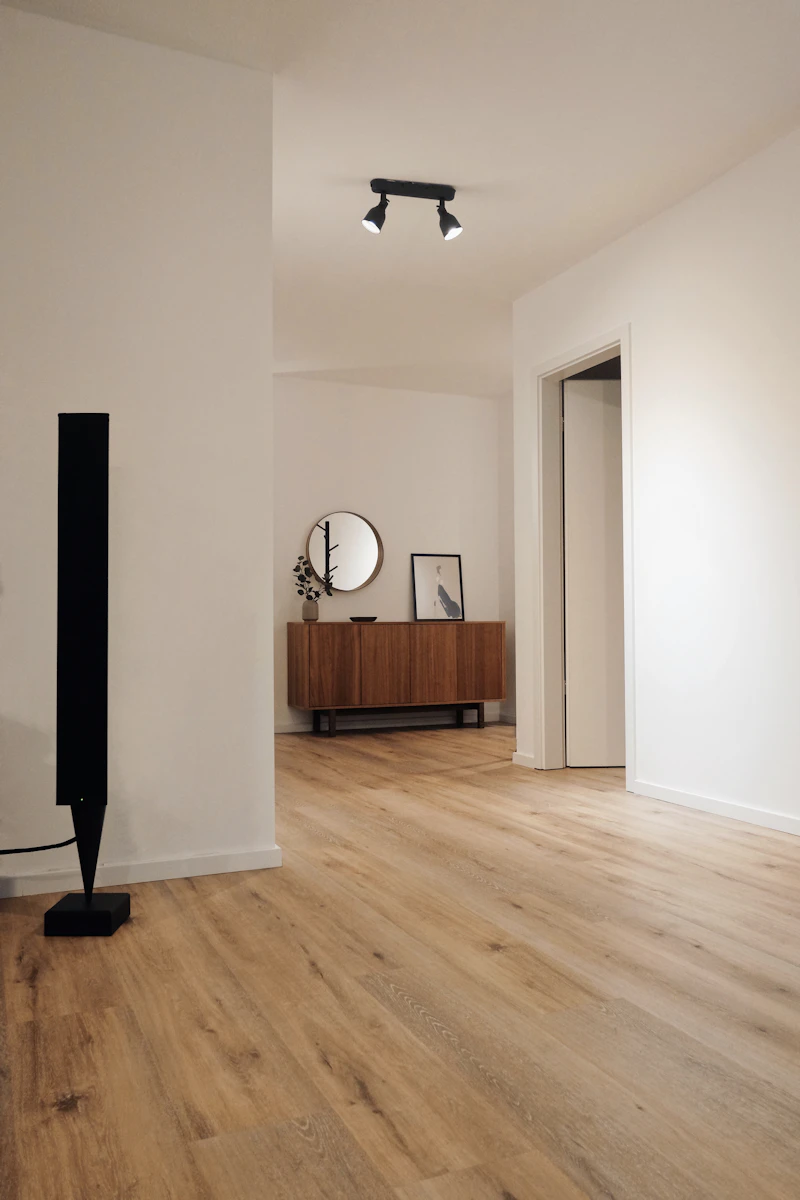
Based on Bureau of Labor Statistics wage data for the Sacramento-Roseville-Folsom metropolitan area, flooring installation in Sacramento costs between $590 and $8,060, with an average of $2,320.
Flooring Installation Cost Breakdown — Sacramento, CA
| Service/Item | Low Estimate | Average | High Estimate |
|---|---|---|---|
| LVP Install (per 200 sq ft) | $670 | $930 | $1,390 |
| Hardwood Install (per 200 sq ft) | $1,570 | $2,090 | $3,000 |
| Tile Install (per 200 sq ft) | $1,350 | $1,860 | $2,780 |
| Carpet Install (per 200 sq ft) | $540 | $750 | $1,110 |
| Subfloor Repair | $430 | $630 | $1,000 |
| Hardwood Refinishing (per 200 sq ft) | $400 | $610 | $1,030 |
Is It Time for Flooring Installation? Warning Signs
In Sacramento’s metro area, the rhythm of the seasons can dictate when a new floor will look its best and last the longest.
The city’s Mediterranean‑influenced climate brings mild, wet winters, while the inland valleys can scorch above 100°F in summer, and the region endures a distinct wildfire smoke season each fall. Those environmental swings, combined with the occasional need for seismic upgrades, create clear signals that it’s time to replace or upgrade your flooring.
- Visible wear after a wet winter. Persistent moisture can cause laminate edges to swell or hardwood to cup. If you notice cupping, warping, or a persistent musty odor after the rainy months, schedule installation before the heat of summer accelerates damage.
- Heat‑related expansion. In the hot, dry months (June‑August), vinyl and engineered wood can expand and develop gaps. If gaps appear during a heatwave, plan a replacement in the cooler shoulder season (late September to early November) when materials settle more predictably.
- Smoke infiltration. During wildfire events, fine ash can settle on carpet fibers, degrading padding and causing lingering odors. If you’ve experienced a smoke event, replace carpet or add a sealed underlayment before the next heating season to protect indoor air quality.
- Seismic retrofitting requirements. When a home is being upgraded to meet the latest California Building Code for earthquake resilience, flooring often must be removed and re‑installed with flexible underlayment. Coordinate flooring work with the structural upgrades to avoid duplicate labor charges.
- Upcoming resale or remodel. If you plan to list your home in the next 6‑12 months, fresh flooring can boost curb appeal and appraisal value. Aim for installation in the off‑peak window of late winter (January‑February) when contractors have more availability and lower overtime rates.
- Climate extremes. The hot, dry inland valleys require flooring products that can tolerate thermal expansion without buckling, which often means higher‑grade engineered wood or specialty vinyl. These materials carry a premium that contractors pass on.
- Wildfire smoke seasons. Air‑quality concerns push many homeowners toward sealed, low‑VOC flooring options and underlayments that resist odor absorption. Such products are priced above standard carpet or laminate.
- Seismic retrofitting needs. Sacramento’s mix of ranch‑style, Spanish‑influenced, and mid‑century modern homes often includes older framing that must be reinforced. Contractors who specialize in flexible underlayments and resilient fastening systems charge more for the additional engineering and labor.
- In‑house payment plans. A typical arrangement spreads the total cost over 6‑12 months with a modest interest rate (often 5‑8%). The contractor handles billing, and the homeowner benefits from a predictable monthly amount.
- Home equity lines of credit (HELOC). Because flooring upgrades can increase property value, a HELOC allows you to borrow against that equity at rates that are usually lower than credit cards, often ranging from 4‑6% APR.
- Personal loans. Unsecured personal loans from banks or credit unions provide a fixed rate and term, useful if you lack sufficient equity or prefer not to involve your mortgage.
- 0% promotional financing. Some national flooring retailers partner with financing companies to offer 0% APR for 12‑18 months on purchases over a certain threshold. This can be advantageous if you can repay the balance before the promotional period ends.
- Obtain three detailed bids. Require each contractor to break down labor, material, disposal, and markup. Compare the labor rates against the $29.39/hr benchmark to spot inflated charges.
- Leverage off‑peak discounts. Schedule installation during the winter lull (January‑February) when demand drops. Contractors often reduce markup by 5‑10% to fill their calendars.
- Bundle related services. Combine flooring with adjacent projects such as baseboard replacement, subfloor repair, or interior painting. Many contractors will offer a bundled discount of 7‑12% because it reduces mobilization costs.
- Ask for material cost transparency. Request receipts or manufacturer price lists for the flooring and underlayment you’ve selected. If a contractor’s material cost exceeds the market price, negotiate a reduction or suggest an equivalent product.
- Watch for hidden fees. Some bids include “site preparation” or “cleanup” as separate line items. Clarify whether these are already covered in the labor rate; if not, negotiate them into the overall price.
- Local labor rates — Sacramento labor averages $29.39/hour, about 25% above the national average due to higher regional cost of living, strong union presence in construction trades, and sustained housing demand in growing suburbs like Folsom and Roseville. Skilled flooring installers are in steady demand, especially those experienced with earthquake-resistant underlayment and retrofitting in older neighborhoods.
- Seasonal demand — Peak flooring installation months run from late spring through early fall, when dry weather and mild temperatures make it ideal for subfloor prep and adhesive curing. During wildfire season (late summer to fall), indoor projects surge, creating a 10–20% premium for summer bookings; off-peak winter months offer more availability and potential scheduling flexibility.
- Project scope — Costs vary significantly between repairing water-damaged sections in a 1950s ranch home and a full tear-out and replacement across multiple levels. The gap in estimates often reflects subfloor remediation needs, especially in older Spanish-style homes with stucco exteriors prone to moisture retention and uneven settling.
- Permits & inspections — California State License Board (CSLB) rules require a licensed contractor for any job over $500. In Sacramento, flooring projects that involve structural changes or affect thermal performance may trigger Title 24 energy code compliance checks, the strictest in the U.S., potentially impacting HVAC integration. Permit fees typically range from $50 to $300 depending on scope and jurisdiction.
- Materials quality — Builder-grade vinyl or laminate costs significantly less than premium engineered hardwood or tile designed for Sacramento’s hot, dry climate and seasonal humidity shifts. High-end waterproof LVT, ceramic tile with radiant heat prep, and fire-resistant underlays are increasingly popular due to wildfire smoke concerns and energy efficiency standards.
- Property characteristics — Mid-century homes in East Sacramento, multi-story builds in Folsom, and stucco-clad homes in Roseville often require specialized access, debris removal, and structural assessments that affect labor time. Older homes may need leveling or seismic retrofitting before flooring installation, adding to complexity.
- Emergency vs scheduled — After-hours or emergency flooring work—such as replacing floors after a burst pipe during a heatwave—can cost 1.5 to 2 times more than standard appointments. Weekend installations are common in this region due to homeowners’ work schedules but often carry premium rates.
Emergency rates typically kick in when a homeowner demands same‑day service, night‑time work, or installation during a declared disaster (e.g., post‑earthquake cleanup).
These rates can add 25‑50% to the base labor cost. To avoid them, schedule at least two weeks in advance, confirm the contractor’s standard workweek, and request a written estimate that separates standard labor from any premium surcharges.
What Drives Price Differences Between Contractors
Understanding why one contractor’s quote may be $5,000 higher than another’s starts with the local market dynamics. Sacramento’s construction labor pool commands a BLS‑reported average of $29.39/hr. Homeowners may also want to compare Flooring Installation in Los Angeles.
Most contractors apply a markup of 20‑30% to cover overhead, insurance, and profit. Because the Sacramento metro area sits at roughly a +25% premium compared to the national average, that markup often translates into higher final prices. For a nearby comparison, check Flooring Installation in San Diego.
Three local factors amplify those costs: Homeowners may also want to compare plumbing costs in Sacramento.
The housing stock further influences pricing.
Ranch homes with wide‑plank hardwood demand careful subfloor preparation, while newer tract houses often have concrete slabs that require moisture barriers before installing floating floors. Each scenario adds distinct labor hours, which, multiplied by the $29.39/hr rate, explains why two seemingly identical jobs can diverge in cost.
Financing Options for Flooring Installation in CA
Most Sacramento contractors recognize that a flooring project is a sizable, upfront expense and therefore offer flexible payment structures. Common options include:
Choosing financing over cash depends on your cash flow and credit profile. Related: hvac costs in Sacramento.
If you have a low‑interest HELOC and plan to stay in the home for several years, financing can preserve liquidity while still delivering a return through increased resale value. Conversely, paying cash eliminates interest entirely and may qualify you for a contractor discount, especially during off‑peak seasons. See how costs compare: Flooring Installation in San Francisco.
How to Avoid Overpaying in Sacramento
Negotiation in the Sacramento market works best when you come prepared with data and timing leverage. Here are proven tactics:
Finally, keep an eye on local promotions.
Sacramento home‑improvement stores frequently run “Spring Refresh” sales that include free underlayment or discounted installation when you purchase flooring in‑store. Pairing such promotions with a contractor’s off‑peak discount can shave several hundred dollars off the total project cost without sacrificing quality.
What Affects Flooring Installation Costs in Sacramento?
What Affects Flooring Installation Costs in Sacramento?
Homeowners in Sacramento, Roseville, and Folsom face unique factors that influence flooring installation costs. From local labor markets to seasonal climate challenges, understanding these elements helps you plan a smarter renovation.
Popular Flooring Installation Brands in Sacramento
Frequently Asked Questions
How much does flooring installation cost in Sacramento, CA?
The average cost for flooring installation in the Sacramento-Roseville-Folsom metro area is $2,320, with prices typically ranging from $590 to $8,060 depending on materials, labor, and project size. Labor rates average $29.39 per hour according to the U.S. Bureau of Labor Statistics (BLS), which aligns with regional wage trends. Costs can vary significantly based on flooring type—such as hardwood, tile, or laminate—and the complexity of the job.
Why is flooring installation more expensive in Sacramento than the national average?
Sacramento's flooring installation costs are influenced by higher local labor rates, with BLS reporting an average hourly wage of $29.39 for installers, which exceeds the national median. Additionally, material transportation costs, regional building codes, and increased demand in growing suburbs like Roseville and Folsom contribute to higher overall pricing. The cost of living and business operations in California also drives up contractor expenses, which are reflected in service quotes.
How can I save money on flooring installation in Sacramento?
You can reduce costs by scheduling installation during off-peak seasons, such as late fall or winter, when contractors may offer discounts due to lower demand. Choosing mid-range materials like luxury vinyl plank or laminate instead of hardwood can significantly lower both material and labor expenses. Getting multiple quotes from licensed contractors in the Sacramento-Roseville-Folsom area ensures competitive pricing and helps avoid overpayment.
Do I need a permit for flooring installation in CA?
Generally, flooring installation does not require a permit in California if it does not involve structural changes, electrical work, or plumbing modifications. However, local jurisdictions within the Sacramento metro area may have specific rules, especially for multi-family units or if the project is part of a larger renovation. Always check with your city or county building department to confirm requirements before starting work.
How long does flooring installation take in Sacramento?
Most residential flooring installations in the Sacramento area take between 1 to 3 days, depending on the size of the space and the type of flooring. Simple laminate or vinyl jobs in a single room may be completed in a day, while tile or hardwood installations in multiple rooms can take longer due to prep and curing time. Delays can occur if subfloor repairs are needed or if materials must be acclimated on-site.
What warranty should I expect from a flooring installation contractor?
Reputable flooring contractors in Sacramento typically offer a labor warranty of 1 to 2 years covering workmanship issues like uneven installation or seam failures. Some may extend warranties for high-end materials or long-term service agreements. Always request the warranty in writing and verify what is covered, as warranties do not usually include damage from moisture, accidents, or improper maintenance.
What's the best time of year for flooring installation in Sacramento?
The best time for flooring installation in Sacramento is during the dry, mild months of late spring to early fall, when humidity and temperature are stable—ideal for material acclimation and adhesion. Scheduling during summer or early fall can also help avoid winter rain delays, especially for jobs requiring concrete subfloor prep. Contractors may be busier during this peak season, so booking early ensures better availability and prevents rushed work.
