How Much Does Flooring Installation Cost in Austin, TX?
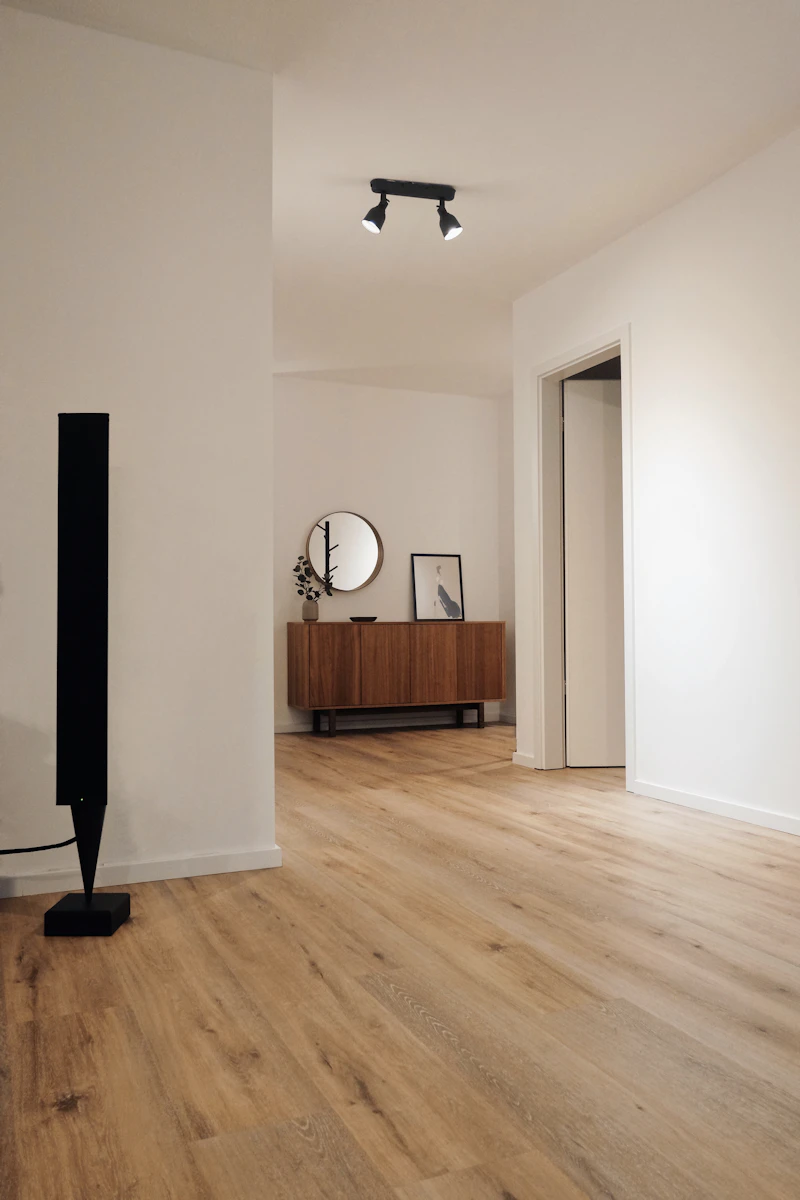
Based on Bureau of Labor Statistics wage data for the Austin-Round Rock-Georgetown metropolitan area, flooring installation in Austin costs between $550 and $7,380, with an average of $2,140.
Flooring Installation Cost Breakdown — Austin, TX
| Service/Item | Low Estimate | Average | High Estimate |
|---|---|---|---|
| LVP Install (per 200 sq ft) | $630 | $860 | $1,260 |
| Hardwood Install (per 200 sq ft) | $1,500 | $1,980 | $2,790 |
| Tile Install (per 200 sq ft) | $1,260 | $1,710 | $2,510 |
| Carpet Install (per 200 sq ft) | $510 | $690 | $1,010 |
| Subfloor Repair | $390 | $560 | $870 |
| Hardwood Refinishing (per 200 sq ft) | $350 | $520 | $850 |
Austin’s flooring landscape is as diverse as its neighborhoods—from the polished concrete in East Austin lofts to the wide-plank hardwoods in West Lake Hills estates.
But beneath every smooth surface is a complex web of labor, materials, and local conditions that shape what you’ll pay and how the job should be done. Understanding how pricing works here isn’t just about square footage—it’s about climate, construction, and city rules that vary block by block.
How Flooring Installation Pricing Works in the Austin-Round Rock-Georgetown Area
What you pay for flooring installation in Austin reflects a mix of regional labor economics and environmental demands. The U.S.
Bureau of Labor Statistics reports an average flooring installer wage of $22.80 per hour in this metro, but that’s just the baseline. Contractors typically apply a markup to cover overhead, insurance, tools, and project management—especially critical when navigating the city’s permitting process or coordinating with structural repairs.
Despite rising material and labor costs, Austin’s overall flooring installation pricing runs about 3% below the national average.
This is partly due to competitive pressure among the hundreds of flooring contractors serving the fast-growing suburbs of Round Rock and Georgetown, where new-construction volume keeps margins lean. However, labor rates in central Austin and affluent enclaves like Tarrytown or Barton Hills often match or exceed national norms due to higher overhead and demand for high-end finishes.
Local conditions heavily influence both cost and method. Austin’s hot, humid summers—regularly hitting 95–105°F—mean flooring materials must be acclimated properly. Homeowners may also want to compare Flooring Installation in Dallas.
Engineered wood and luxury vinyl plank (LVP) dominate in newer slab-on-grade homes because they resist moisture and expansion better than solid hardwood. In older bungalows near Zilker or Travis Heights, you’ll often find original hardwoods being refinished or replaced with materials that match historic character while meeting modern durability needs. For a nearby comparison, check hvac costs in Austin.
Storms also play a role. Hail and tornado risks in northern suburbs like Pflugerville and Cedar Park mean homes frequently undergo post-damage flooring repairs.
Contractors here are experienced in insurance-claim work and know how to document subfloor damage from water intrusion. Meanwhile, homes near the coast-facing edge of the metro—though not directly on the Gulf—are still designed with hurricane-rated materials in mind, influencing underlayment and moisture barrier choices.
Construction style matters too. Most new builds use slab-on-grade foundations with brick veneer exteriors, eliminating basements and crawl spaces.
This simplifies subfloor prep but increases sensitivity to slab flatness and moisture vapor emissions—critical for tile and hardwood installations. Installers routinely test slabs with calcium chloride kits or RH probes, adding a step (and cost) not always needed in framed-floor markets.
What to Expect During the Estimate Process
Your flooring project starts with a call or online request, but the real work begins during the in-person estimate.
A reputable contractor will schedule a site visit within 2–4 business days. They’ll measure each room, assess subfloor condition, and note transitions between spaces—especially important in open-concept homes common in Round Rock subdivisions.
During the visit, expect the estimator to check for signs of past water damage, uneven slab areas, or squeaks in existing floors. They’ll discuss your material choices and whether acclimation time is needed.
For tile or hardwood, they may recommend a moisture test. They’ll also confirm access—especially in tight urban lots or homes with narrow doorways.
After the visit, you’ll receive a written estimate within 1–3 days. It should itemize labor, materials, prep work, and any disposal fees.
In Austin, many contractors include a “city permit” line item—required for structural changes or whole-house installations in single-family homes. Permits are issued at the city level, so a job in Austin may need a different approval path than one in Georgetown or Manor. Related: plumbing costs in Austin.
Timeline-wise, most flooring installations take 2–5 days. Simple LVP or carpet replacements in a condo might wrap in two. See how costs compare: Flooring Installation in Houston.
Full tear-out, subfloor repair, and hardwood or tile installation in a 2,000 sq ft home typically runs 4–5 days. Delays usually stem from material delivery (especially custom orders) or unexpected subfloor issues. Always build in a 1–2 day buffer, particularly during storm season when supply chains can hiccup.
DIY vs. Professional Flooring Installation: When It Makes Sense
| Safe for DIY | Hire a Pro |
|---|---|
| Installing click-together LVP in a small, flat room with a clean subfloor | Any installation over 500 sq ft with multiple transitions or door trim cuts |
| Replacing carpet in a single bedroom with no padding issues | Working on slab-on-grade foundations requiring moisture testing or vapor barriers |
| Adding peel-and-stick vinyl tiles in a low-traffic bathroom | Installing tile, hardwood, or engineered wood that requires adhesive, leveling, or expansion gaps |
| Basic removal of old carpet or vinyl with no suspected water damage | Projects needing city permits or inspections in Austin, Round Rock, or Georgetown |
| Using pre-cut rubber or foam underlayment for sound control | Situations involving insurance claims or structural subfloor repairs after storm damage |
DIY can save money, but missteps are costly. Improperly installed flooring can warp, buckle, or void manufacturer warranties—especially in Austin’s humidity swings.
Professionals carry liability insurance, which protects you if they damage plumbing or subflooring. They also know local codes: for example, Austin Energy requires certain insulation values under flooring in conditioned spaces, and some HOAs in The Domain or Circle C restrict visible expansion gaps.
Questions to Ask Before Signing a Contract
Texas doesn’t have a statewide contractor license for flooring, but cities do regulate trade work. Austin, Round Rock, and Georgetown require permits for structural modifications and sometimes for full flooring replacements.
While the Texas Department of Licensing and Regulation (TDLR) oversees electrical and HVAC, flooring falls to local building departments. Always verify your contractor is registered with the city and can pull permits if needed.
Before signing, confirm these key points:
- Are you registered with the city where the work will be done? Ask for their contractor registration number and check it with the city’s building department.
- Will you obtain the necessary permits? In Austin, flooring work that involves structural changes or whole-house removal may require a permit. The contractor should handle this, not the homeowner.
- Can you provide proof of liability and workers’ comp insurance? Uninsured workers on your property expose you to liability in case of injury.
- What’s included in the quote? Make sure subfloor prep, disposal, acclimation, and transitions are listed. Hidden costs often appear here.
- How do you handle moisture testing on slab foundations? Any hardwood or tile job on a slab should include a moisture test—don’t skip it, even if the slab looks dry.
- What’s your warranty on labor? Reputable installers offer at least a 1-year labor warranty. Ask for it in writing.
Red flags include contractors who demand full payment upfront, can’t provide local references, or refuse to put the scope in writing. If they say “no permit needed” without checking city rules, dig deeper. In fast-growing areas like Leander or Kyle, code enforcement is tightening—cutting corners today could cost you at resale.
What Affects Flooring Installation Costs in Austin?
What Affects Flooring Installation Costs in Austin?
Homeowners in the Austin-Round Rock-Georgetown metro area face unique factors that influence flooring installation costs. From fluctuating demand to local construction practices and extreme weather patterns, understanding these elements helps in planning a budget-conscious project.
- Local labor rates — Austin’s average hourly rate for flooring labor is about 3% below the national average, around $22.80/hr, according to BLS data. This is due to lower union presence and historically moderate cost of living, though rising demand in fast-growing suburbs like Cedar Park and Pflugerville is beginning to push wages upward.
- Seasonal demand — Peak flooring installation months in Central Texas run from spring through early fall, when humidity and storm risks are lower. Contractors often charge 10–20% more during these high-demand months, while scheduling in late fall or winter—especially after storm season—can yield better availability and pricing.
- Project scope — Costs vary significantly between repairing water-damaged sections in older homes and full tear-outs and replacements. Larger projects in multi-story homes or those requiring subfloor repairs—common after summer hail or plumbing leaks—drive up estimates due to added labor and materials.
- Permits & inspections — Texas does not have state-level contractor licensing, but cities like Austin, Round Rock, and Georgetown require trade-specific permits for structural or moisture barrier work. Permit fees typically range from $50 to $300 and are often necessary for insurance or resale compliance, especially in newer developments with HOA requirements.
- Materials quality — Builder-grade vinyl or laminate may cost 30–50% less than premium options like wide-plank engineered hardwood or commercial-grade tile—popular in Austin homes for heat and moisture resistance. Choices like porcelain tile or waterproof LVP are increasingly favored in slab-on-grade homes prone to humidity and slab leaks.
- Property characteristics — Most homes in the area are slab-on-grade with brick veneer exteriors, limiting access and requiring careful material transport. Older homes in central Austin may have uneven subfloors or asbestos-containing flooring, while new builds in Georgetown or Leander often allow easier access but come with tighter HOA scheduling rules.
- Emergency vs scheduled — Storm damage from summer hail or flash floods can necessitate emergency flooring repairs, with after-hours or weekend service running 1.5 to 2 times standard rates. Scheduling during non-peak hours or post-storm off-seasons can reduce costs significantly.
Popular Flooring Installation Brands in Austin
Frequently Asked Questions
How much does flooring installation cost in Austin, TX?
The average cost of flooring installation in Austin, TX is $2,140, with prices typically ranging from $550 to $7,380 depending on materials, labor, and project size. Labor rates average $22.80 per hour according to the U.S. Bureau of Labor Statistics (BLS), which contributes significantly to the overall cost. Factors like flooring type (e.g., tile, hardwood, or carpet) and subfloor preparation needs can also influence the final price.
Why is flooring installation less expensive in Austin than the national average?
Flooring installation in Austin is often less expensive than the national average due to lower labor costs, with BLS reporting an hourly rate of $22.80 for flooring installers in the area—below the national mean. The competitive local market and high number of licensed contractors in the Austin-Round Rock-Georgetown metro area help keep prices in check. Additionally, regional material availability and reduced overhead for contractors contribute to lower overall project costs.
How can I save money on flooring installation in Austin?
You can save money by scheduling flooring installation during the off-peak seasons, such as late fall or winter, when contractors may offer discounts due to lower demand. Choosing locally available materials and doing demolition or prep work yourself can also reduce labor hours and costs. Getting multiple quotes from licensed contractors in the Austin metro area ensures competitive pricing based on the local $22.80/hr BLS labor rate.
Do I need a permit for flooring installation in TX?
Generally, flooring installation does not require a permit in Texas unless the project involves structural changes, electrical modifications, or is part of a larger renovation. Most residential flooring replacements—such as installing new tile, hardwood, or laminate—are considered maintenance and are exempt from permitting. Always check with your local city or county building department in Austin, Round Rock, or Georgetown to confirm specific requirements.
How long does flooring installation take in Austin?
Most flooring installations in Austin take between 1 to 3 days, depending on the size of the area and the type of flooring being installed. Simple projects like vinyl or laminate in a single room may be completed in a day, while larger homes or complex materials like tile or hardwood can take longer. Delays may occur if subfloor repairs are needed or if materials require acclimation time before installation.
What warranty should I expect from a flooring installation contractor?
Reputable flooring contractors in Austin typically offer a 1- to 5-year labor warranty covering workmanship, such as seams, buckling, or improper adhesion. The manufacturer usually provides a separate warranty for the flooring material, which can range from 10 years to a lifetime. Always request warranty details in writing and confirm what is covered, especially given the local BLS-reported labor rate of $22.80/hr.
What's the best time of year for flooring installation in Austin?
The best time for flooring installation in Austin is during the cooler, drier months from October to February, when humidity levels are lower and indoor climate control is easier. This helps materials like hardwood and engineered wood acclimate properly, reducing the risk of expansion or warping. Contractors may also offer better rates during this off-season due to lower demand, making it a cost-effective choice.
