How Much Does Flooring Installation Cost in Dallas, TX?
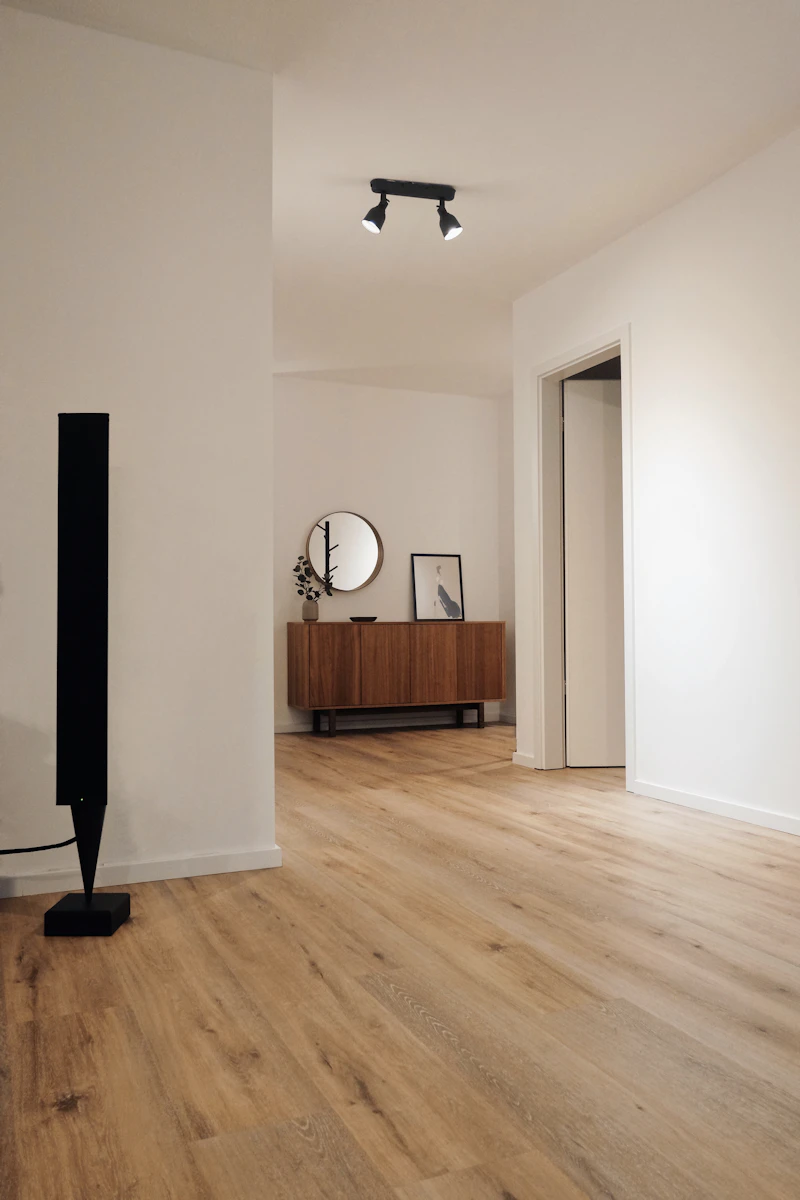
Based on Bureau of Labor Statistics wage data for the Dallas-Fort Worth-Arlington metropolitan area, flooring installation in Dallas costs between $550 and $7,380, with an average of $2,140.
Flooring Installation Cost Breakdown — Dallas, TX
| Service/Item | Low Estimate | Average | High Estimate |
|---|---|---|---|
| LVP Install (per 200 sq ft) | $630 | $860 | $1,260 |
| Hardwood Install (per 200 sq ft) | $1,500 | $1,980 | $2,790 |
| Tile Install (per 200 sq ft) | $1,260 | $1,710 | $2,510 |
| Carpet Install (per 200 sq ft) | $510 | $690 | $1,010 |
| Subfloor Repair | $390 | $560 | $870 |
| Hardwood Refinishing (per 200 sq ft) | $350 | $520 | $850 |
How Flooring Installation Pricing Works in the Dallas-Fort Worth-Arlington Area
Dallas homeowners aren’t just paying for materials and labor—they’re paying for flooring that can survive 100-degree summers, sudden hail storms, and slab foundations that shift with the clay soil.
This region’s unique climate and construction practices directly shape flooring costs. While national averages might suggest higher prices, Dallas actually runs about 3% below due to competitive labor markets and regional material availability.
The Bureau of Labor Statistics reports an average flooring installer wage of $22.80 per hour in this metro area.
Contractors typically apply a markup to cover overhead, insurance, tools, and project management—usually 20–35% on labor and materials. That markup isn’t padding; it’s what keeps a licensed, insured crew on-site when issues arise, which is critical in a city where weather delays and subfloor repairs from humidity damage are common.
Local construction methods matter. Most homes here are slab-on-grade, meaning no crawl spaces or basements.
That simplifies some installations but increases sensitivity to moisture wicking up from the concrete—especially in older bungalows near Downtown or Oak Cliff. These homes often need vapor barriers or moisture mitigation, adding to prep costs. In newer developments like those in Frisco or Southlake, builders use tighter tolerances, but brick veneer exteriors can trap humidity, affecting indoor air quality and hardwood stability.
Seasonal extremes play a role too. Summer heat pushes surface temps on concrete slabs above 90°F, requiring acclimation time for engineered wood or luxury vinyl. Homeowners may also want to compare Flooring Installation in Houston.
Winter is mild, but sudden cold snaps can cause slab contraction, leading to cracks in rigid flooring if not installed with proper expansion gaps. Storms—especially hail and tornadoes in the northern suburbs like Plano or Arlington—can cause water intrusion, leading to subfloor damage that must be repaired before any new flooring goes down. For a nearby comparison, check hvac costs in Dallas.
Material choice interacts with local conditions.
Tile and LVP dominate in Dallas because they handle humidity and temperature swings better than solid hardwood. But even within those categories, pricing varies based on thickness, wear layer, and moisture resistance—features that matter more here than in drier climates.
What to Expect During the Estimate Process
When you call a flooring contractor in Dallas, the first step is a site visit—not a quote over the phone.
A professional estimator will come to your home, usually within 1–3 business days, and spend 30–60 minutes assessing the space. They’ll measure square footage, check subfloor condition, note transitions to adjacent rooms, and evaluate moisture levels—especially critical if you’re in a flood-prone area like near the Trinity River.
During the visit, they’ll ask about your lifestyle: pets, kids, furniture movement, and whether you plan to sell soon.
These factors influence material recommendations. For example, a family in a Richardson ranch home with two dogs might get steered toward scratch-resistant LVP, while a retiree in a historic East Dallas bungalow may opt for wide-plank engineered hardwood for resale appeal.
After the assessment, you’ll receive a detailed proposal within 1–2 days. It should include material specs, labor breakdown, prep work (like baseboard removal or subfloor repair), timeline, and cleanup policy.
In Dallas, most flooring projects take 2–5 days for a 1,500 sq ft home, depending on demolition complexity and acclimation needs. Larger homes or those with water damage in the subfloor—common in older homes with outdated plumbing—can take up to a week.
Permits may be required if structural changes are involved, though most flooring replacements don’t need one.
However, in cities like Dallas and Fort Worth, any work involving electrical (like relocating floor outlets) requires a licensed electrician and a permit. Always confirm who handles permits—some contractors include it, others don’t. Related: plumbing costs in Dallas.
DIY vs. Professional Flooring Installation: When It Makes Sense
| Safe for DIY | Hire a Pro |
|---|---|
| Peel-and-stick vinyl tiles in a small bathroom or closet | Engineered hardwood over concrete slab |
| Click-together LVP in a single room with square walls and flat subfloor | Tile installation in kitchens or bathrooms with plumbing fixtures |
| Replacing carpet with carpet—same pad, no subfloor issues | Any project requiring moisture testing or vapor barriers |
| Installing underlayment for sound reduction in a rental unit | Projects near exterior doors or sliding glass—critical for expansion gaps in Texas heat |
| Cosmetic updates in non-structural areas | Work in homes with radiant heating or existing in-floor wiring |
DIY can save money, but mistakes in Dallas conditions are costly. Improper acclimation leads to cupping in hardwood. Skipping moisture tests on slabs causes mold under vinyl. See how costs compare: Flooring Installation in Austin.
And if your work fails inspection during a home sale, you’ll pay more to fix it later. Professionals carry liability insurance—if a tool slips and damages your $5,000 range hood, you’re covered. They also know local codes: for example, ADA-compliant thresholds at doorways, which matter in aging-in-place renovations.
Questions to Ask Before Signing a Contract
Texas doesn’t have statewide contractor licensing, but Dallas, Fort Worth, and Arlington all require trade-specific permits for certain work.
Flooring often falls under building permits if it involves structural changes, but even cosmetic replacements should be done by someone who understands local codes. Always verify the contractor is registered with the city and carries workers’ comp and general liability insurance.
- Are you licensed and insured in the city where the work will be performed? Ask for certificate of insurance and verify with the city’s building department.
- Can you provide references from recent flooring projects in Dallas or nearby suburbs?
- Who will be on-site daily? Is it your crew or subcontractors?
- What’s included in the quote—baseboard removal, disposal, subfloor repair, transitions?
- How do you handle moisture testing for slab installations?
- What’s your warranty on labor, and how does it interact with the manufacturer’s warranty?
Red flags: cash-only demands, pressure to sign same-day, no physical address, or refusal to provide a written contract. If an estimator skips moisture checks or doesn’t mention acclimation, they’re cutting corners. In Dallas, that means callbacks when the floor buckles in July. Always get everything in writing—handwritten notes on a quote sheet aren’t enough. A solid contract protects both sides and keeps the job on track.
How to Hire a Flooring Installation Professional in Dallas
Finding a qualified flooring installation contractor in Dallas, TX requires some research. Local labor rates average $22.80/hr based on Bureau of Labor Statistics data for the Dallas-Fort Worth-Arlington area, which is -3% compared to the national average.
Tips for Getting the Best Price
- Get 3-5 quotes — Prices in Dallas range from $550 to $7,380, so comparing multiple estimates can save you hundreds or thousands.
- Check licensing — Verify your contractor is properly licensed and insured in Texas.
- Ask about warranties — Reputable flooring installation professionals in Dallas should offer at least a 1-year labor warranty.
- Read recent reviews — Look for contractors with reviews from other Dallas homeowners specifically.
- Schedule off-season — You may save 10-20% by scheduling during slower months when contractors compete harder for work.
- Avoid the lowest bid — Extremely low quotes in Dallas often mean cut corners, unlicensed workers, or hidden upcharges later.
What to Expect During the Process
A typical flooring installation project in Dallas begins with an on-site estimate (most reputable contractors offer free estimates). The contractor should provide a detailed written quote including materials, labor at approximately $22.80/hr, timeline, and warranty terms. For the Dallas-Fort Worth-Arlington market, expect the project to take anywhere from a few hours for minor repairs to several weeks for major installations.
Why Flooring Installation Costs Vary in Dallas
The average flooring installation cost of $2,140 in Dallas reflects local market conditions. Key factors driving prices -3% compared to the national average include:
- Labor costs — Dallas tradespeople earn $22.80/hr on average, directly impacting your project cost.
- Material availability — Supply chain proximity and local demand affect material pricing in the Dallas-Fort Worth-Arlington area.
- Permit requirements — Texas and local Dallas building codes may require permits that add to overall project cost.
- Competition — The number of qualified flooring installation contractors in Dallas influences pricing through market competition.
- Property characteristics — Home age, size, accessibility, and existing conditions unique to Dallas neighborhoods affect scope and cost.
What Affects Flooring Installation Costs in Dallas?
What Affects Flooring Installation Costs in Dallas?
Dallas‑Fort Worth‑Arlington’s hot, humid summers, occasional severe storms, and occasional tornado risk shape both the timing and the complexity of flooring projects. Understanding the local variables— from labor market quirks to property characteristics—helps homeowners anticipate why two seemingly similar jobs can have very different price tags.
- Local labor rates — Dallas labor costs sit about 3% below the national average, even though the BLS reports a $22.80 per‑hour baseline for construction trades. The modest dip reflects a relatively lower cost‑of‑living compared with coastal metros, a competitive pool of skilled installers, and a union presence that balances wages without inflating them dramatically.
- Seasonal demand — The region’s scorching summers (often 95‑105 °F) push many homeowners to schedule flooring work in the cooler fall and winter months. Installers typically add a 10‑20 % premium during peak spring‑summer periods when demand spikes and material deliveries can be delayed by heat‑related shipping constraints.
- Project scope — A simple repair—such as replacing a few damaged planks—requires far less labor and material waste than a full‑home replacement that includes subfloor preparation, moisture testing, and transition molding. The gap widens because larger jobs often need multiple crews, extended site setup, and more extensive disposal services.
- Permits & inspections — Texas does not enforce a statewide contractor license, but cities like Dallas, Houston, Austin, and San Antonio require a TRA (Texas Residential Contractor) registration and may issue a local permit. Typical fees range from $50 to $300, and the paperwork adds a few extra days to the schedule.
- Materials quality — Choosing premium options—engineered hardwood, high‑grade luxury vinyl tile (LVT), or natural stone—can cost 30‑50 % more than builder‑grade laminate or carpet. The price difference stems from thicker wear layers, better moisture resistance, and longer warranties, which are especially valuable in Dallas’ humid climate.
- Property characteristics — Most Dallas homes sit on slab‑on‑grade foundations with brick veneer exteriors, but older ranches may have crawl spaces that require additional moisture barriers. Multi‑story homes, tight stairwells, or limited truck access increase labor time and may necessitate specialized equipment, raising the overall estimate.
- Emergency vs. scheduled — When flooring must be installed after hours—such as after a storm‑related water intrusion—installers often charge 1.5‑2 times the standard rate. Weekend or holiday work follows the same multiplier, reflecting the need for overtime pay and the disruption of normal crew schedules.
Popular Flooring Installation Brands in Dallas
Frequently Asked Questions
How much does flooring installation cost in Dallas, TX?
The average cost of flooring installation in Dallas, TX is $2,140, with prices typically ranging from $550 to $7,380 depending on the flooring type, labor rates, and project size. Labor costs align with the Bureau of Labor Statistics (BLS) reported rate of $22.80 per hour for flooring installers in the area. Costs can vary significantly based on materials such as hardwood, tile, or luxury vinyl plank. Larger homes or complex layouts may increase both labor time and total expenses.
Why is flooring installation less expensive in Dallas than the national average?
Flooring installation in Dallas tends to be more affordable than the national average due to lower overall labor and overhead costs. The BLS reports installer wages at $22.80 per hour in Dallas, which is competitive but generally below rates in higher-cost metro areas. Additionally, the region's robust supply chain and high number of contractors foster competitive pricing. These factors contribute to a lower average project cost compared to many other U.S. metropolitan areas.
How can I save money on flooring installation in Dallas?
You can save money by scheduling flooring installation during off-peak seasons, such as late fall or winter, when contractors may offer discounts due to lower demand. Bundling flooring replacement with other home renovation projects can also reduce labor costs through economies of scale. Choosing locally available materials minimizes shipping fees, and obtaining multiple quotes ensures competitive pricing based on the local $22.80/hr BLS labor rate. Avoiding same-day or emergency installations prevents premium charges.
Do I need a permit for flooring installation in TX?
In Texas, flooring installation typically does not require a permit if it does not involve structural changes, electrical work, or plumbing modifications. Most residential flooring replacements, such as carpet, tile, or hardwood, fall under exempt home improvements. However, if the project is part of a larger renovation or involves accessibility modifications, local Dallas or Fort Worth building codes may require permits. Always check with your city's development services department to confirm requirements.
How long does flooring installation take in Dallas?
Most flooring installations in Dallas take between 1 to 3 days, depending on the size of the area and the material being installed. Simple projects like vinyl plank in a single room may be completed in a day, while full-home hardwood or tile installations can take several days due to prep, cutting, and curing time. Labor efficiency is supported by skilled local installers earning the BLS-reported $22.80 per hour. Delays may occur if subfloor repairs or custom cuts are needed.
What warranty should I expect from a flooring installation contractor?
Reputable flooring contractors in Dallas typically offer a 1- to 5-year labor warranty covering workmanship issues like uneven installation or seam failures. The manufacturer usually provides a separate warranty for the flooring material, which can range from 10 years to a lifetime. Always request written warranty terms before hiring a contractor, and ensure they are licensed and insured in Texas. Warranties may be voided if installation doesn't follow industry standards or if improper materials are used.
What's the best time of year for flooring installation in Dallas?
The best time for flooring installation in Dallas is late fall to early winter, when lower humidity stabilizes wood and composite materials, reducing expansion risks. Contractors may also offer better rates during this off-peak season due to decreased demand. Spring and summer installations can be affected by high moisture levels, potentially impacting adhesives and subfloor drying times. Scheduling during cooler months aligns with optimal indoor climate control for material acclimation.
