How Much Does Flooring Installation Cost in Fort Worth, TX?
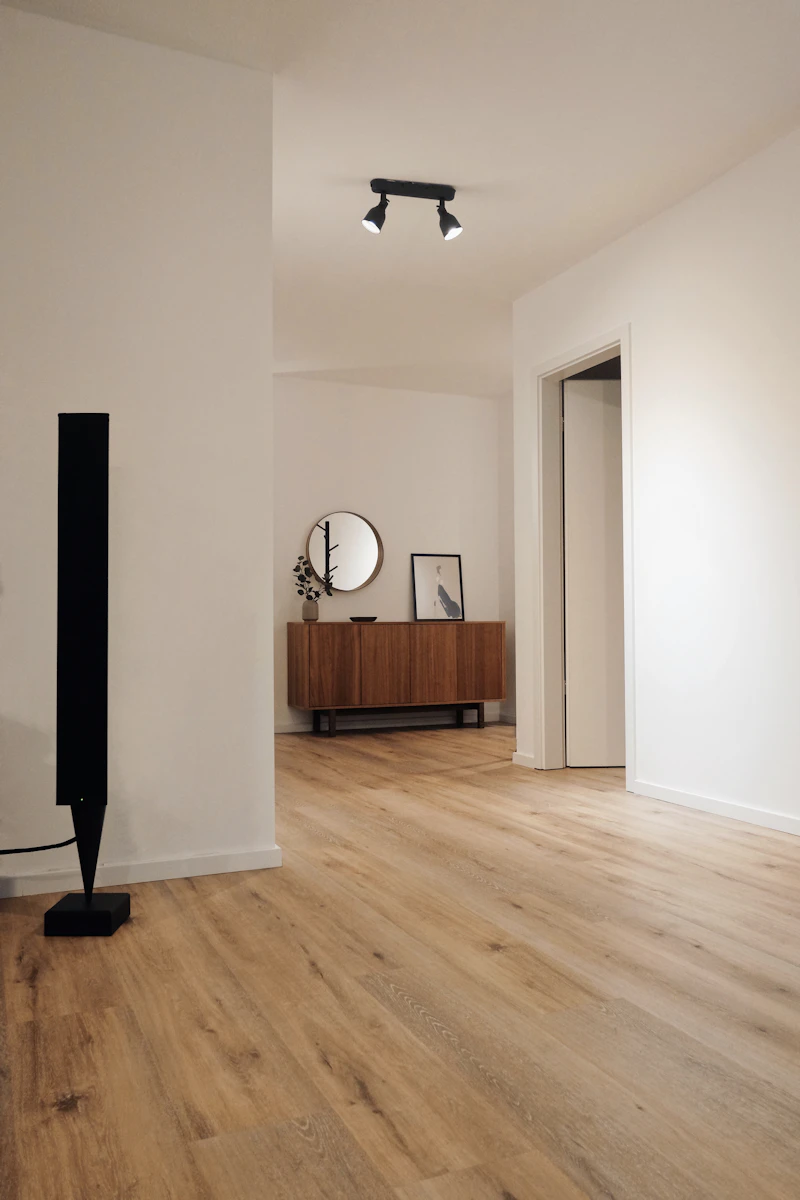
Based on Bureau of Labor Statistics wage data for the Dallas-Fort Worth-Arlington metropolitan area, flooring installation in Fort Worth costs between $550 and $7,380, with an average of $2,140.
Flooring Installation Cost Breakdown — Fort Worth, TX
| Service/Item | Low Estimate | Average | High Estimate |
|---|---|---|---|
| LVP Install (per 200 sq ft) | $630 | $860 | $1,260 |
| Hardwood Install (per 200 sq ft) | $1,500 | $1,980 | $2,790 |
| Tile Install (per 200 sq ft) | $1,260 | $1,710 | $2,510 |
| Carpet Install (per 200 sq ft) | $510 | $690 | $1,010 |
| Subfloor Repair | $390 | $560 | $870 |
| Hardwood Refinishing (per 200 sq ft) | $350 | $520 | $850 |
How Flooring Installation Pricing Works in the Dallas-Fort Worth-Arlington Area
In Fort Worth, flooring installation costs reflect a mix of regional labor economics, climate demands, and housing stock diversity. Unlike coastal markets with high union labor or extreme weather exposure, DFW benefits from moderate overhead and competitive contractor supply, contributing to prices that run about 3% below the national average.
The U.S. Bureau of Labor Statistics reports a median hourly wage of $22.80 for flooring installers in this metro—lower than in Chicago or Seattle but stable due to consistent demand across Tarrant, Denton, and Dallas counties.
Contractors typically apply a markup of 20–35% on top of labor and material costs to cover insurance, equipment, project management, and waste disposal.
This markup is justified in a market where slab-on-grade foundations dominate, requiring precise subfloor prep and moisture barrier installation—especially critical in Fort Worth’s hot, humid summers when temperatures regularly hit 95–105°F. Without proper vapor retarders, wood and laminate flooring can warp or buckle within months.
Local construction practices also shape pricing.
Most newer subdivisions in Alliance, Keller, or Southlake use brick veneer exteriors and concrete slabs, minimizing crawl space issues but increasing the need for laser-leveling and underlayment adjustments. In contrast, older bungalows in neighborhoods like Polytechnic Heights or Fairmount often have uneven joists or outdated subfloors, requiring demolition and repair before new flooring goes down—adding labor hours and cost. Homeowners may also want to compare Flooring Installation in Dallas.
Weather-related risks play a role too. While Fort Worth isn’t in the hurricane zone like the Gulf Coast, it lies in “Hail Alley,” where severe spring storms can damage roofs and lead to water intrusion. For a nearby comparison, check Flooring Installation in San Antonio.
Flooring installers must assess for prior water damage, especially in homes without recent storm repairs. Tornado risk in the northern metro adds urgency to quick, durable installations that meet local building codes for structural integrity and safety. Homeowners may also want to compare plumbing costs in Fort Worth.
What to Expect During the Estimate Process
Start with a phone or online inquiry to 2–3 flooring contractors serving Fort Worth.
Reputable companies will schedule an in-person walkthrough within 1–3 business days. During the visit, the estimator measures square footage, checks subfloor condition, notes transitions between rooms, and evaluates access points—especially important in tight urban lots or homes with narrow hallways.
The estimator will ask about your preferred materials, timeline, and whether you want full demolition or partial removal. They’ll also inspect for signs of moisture, pest damage, or unevenness that could affect installation.
In slab-on-grade homes common across the city, they’ll verify if a moisture test is needed—critical for hardwood or engineered wood over concrete. You’ll receive a written quote within 24–48 hours, itemizing labor, materials, prep work, and disposal.
Once you approve the contract, lead time for installation averages 1–3 weeks, depending on material availability and crew scheduling. Most jobs take 1–4 days, depending on size and complexity.
For example, a 500 sq ft living-dining combo with LVP might take two days, including demo and cleanup. Larger homes in West Fort Worth or the Ridglea area may require three to four days, especially if multiple flooring types meet at thresholds. Related: hvac costs in Fort Worth.
After installation, the contractor should do a walkthrough with you, explain care instructions, and address any immediate concerns. Keep all documentation—especially warranties and moisture test results—for future resale or insurance claims. See how costs compare: Flooring Installation in Houston.
DIY vs. Professional Flooring Installation: When It Makes Sense
| Safe for DIY | Hire a Pro |
|---|---|
| Peel-and-stick vinyl tiles in small bathrooms or closets | Engineered hardwood over concrete slab |
| Click-together luxury vinyl plank (LVP) in a single, square room under 200 sq ft | Any installation requiring subfloor repair or leveling |
| Carpet replacement in a bedroom with intact padding and no water history | Projects involving transitions between multiple flooring types (e.g., tile to wood) |
| Installing underlayment for sound reduction in a rental unit | Work in homes with known moisture issues or prior flood damage |
| Replacing damaged planks in an existing floating floor | Any job requiring city permits or inspections, such as whole-house demolition and re-flooring |
DIY can save money but carries risks. Without proper acclimation, Fort Worth’s humidity can ruin wood or LVP within weeks.
Improper underlayment may void warranties or lead to squeaks and gaps. More importantly, unpermitted work can complicate insurance claims after storm damage—a real concern in a city with frequent hail events. Licensed professionals carry liability insurance and know local code expectations, protecting you if something goes wrong.
Questions to Ask Before Signing a Contract
Texas doesn’t issue statewide licenses for general contractors, but many cities in the DFW area—including Fort Worth, Arlington, and Grapevine—require trade-specific permits for flooring work that involves structural changes or moisture barriers.
While the Texas Department of Licensing and Regulation (TDLR) oversees electrical and HVAC, flooring falls under local jurisdiction. Always verify your contractor is registered with the city and carries current liability insurance.
- Are you registered with the City of Fort Worth or other local municipality where the work will be done? Ask for their contractor registration number and check it online.
- Can you provide proof of general liability and workers’ compensation insurance? If an installer is injured on your property and uninsured, you could be held liable.
- Will you perform a moisture test for installations over concrete? This is non-negotiable for hardwood or LVP in slab-on-grade homes.
- Do you handle disposal and permit needs? Full-service contractors manage debris removal and pull permits when required—especially for whole-house demo.
- What’s your warranty on labor and materials? Reputable firms offer at least a one-year labor warranty and help enforce manufacturer warranties.
- Can you provide references from recent Fort Worth-area projects? Local experience matters—installers familiar with bungalows or newer Energy Star homes know the quirks.
Red flags include contractors who demand full payment upfront, refuse to provide a written contract, or can’t explain how they’ll handle Fort Worth’s humidity and temperature swings. Get everything in writing, including start and completion dates, material specs, and cleanup responsibilities. A clear contract protects both sides—especially when storms roll in mid-project.
What Affects Flooring Installation Costs in Fort Worth?
What Affects Flooring Installation Costs in Fort Worth?
Homeowners in the Dallas-Fort Worth-Arlington metro area face unique factors that influence flooring installation costs. From local labor trends to weather-driven demand spikes, understanding these elements helps you plan better and budget accurately for your project.
- Local labor rates — Fort Worth labor averages $22.80/hour for flooring installers, about 3% below the national average. This is due to lower cost of living compared to major coastal cities and limited union presence, combined with steady but not oversaturated demand in Tarrant County.
- Seasonal demand — Spring (March–May) and fall (September–November) are peak seasons for flooring projects, when mild temperatures make home renovations comfortable. During these months, contractors may charge 10–20% more due to high demand, while summer—despite the 95–105°F heat—can offer better availability, especially after storm season clears.
- Project scope — A minor repair, such as replacing water-damaged planks in a closet, costs significantly less than a full home replacement. The gap in estimates often comes from subfloor prep, disposal fees, and the complexity of matching existing flooring in older homes across Fort Worth’s historic districts.
- Permits & inspections — Texas doesn’t require statewide contractor licensing, but cities like Fort Worth may require permits for structural modifications or large-scale renovations. Permit fees typically range from $50 to $300 depending on project size and whether electrical or plumbing adjustments are involved.
- Materials quality — Choosing builder-grade laminate or basic vinyl plank can save money upfront, but premium options like wide-plank hardwood, porcelain tile, or waterproof luxury vinyl tile (LVT) cost 30–50% more. These higher-end materials are increasingly popular in newer subdivisions like Alliance and Southlake for their durability in Fort Worth’s humid climate.
- Property characteristics — Most homes in Fort Worth are slab-on-grade with brick veneer exteriors, limiting access but reducing crawl space complications. However, multi-story homes in areas like Cultural District or River Oaks may incur higher labor costs due to material transport, while older homes often need extra prep for uneven subfloors.
- Emergency vs scheduled — After severe storms or hail damage—common in North Texas—homeowners may need urgent flooring repairs. Emergency or weekend installations can cost 1.5 to 2 times the standard rate due to after-hours labor and rapid response demands, especially during tornado season (spring and early summer).
Popular Flooring Installation Brands in Fort Worth
Frequently Asked Questions
How much does flooring installation cost in Fort Worth, TX?
The average cost of flooring installation in Fort Worth, TX is $2,140, with prices typically ranging from $550 to $7,380 depending on flooring type, labor rates, and project size. Labor costs align with the Bureau of Labor Statistics (BLS) reported rate of $22.80 per hour for flooring installers in the Dallas-Fort Worth-Arlington metro area. Factors like material choice, subfloor preparation, and room layout can influence the final price within this range.
Why is flooring installation less expensive in Fort Worth than the national average?
Flooring installation in Fort Worth tends to be more affordable than the national average due to lower labor costs and overhead expenses for contractors in the region. The BLS reports an hourly wage of $22.80 for flooring installers locally, which is competitive and contributes to reduced labor charges. Additionally, the availability of skilled labor and local competition among contractors helps keep overall installation prices lower.
How can I save money on flooring installation in Fort Worth?
You can save money by scheduling flooring installation during off-peak seasons, such as late fall or winter, when contractors may offer discounts due to lower demand. Choosing locally available materials and doing preparatory work like furniture removal yourself can also reduce labor time and costs. Getting multiple quotes from licensed contractors in the Dallas-Fort Worth area ensures competitive pricing based on the local $22.80/hr BLS labor rate.
Do I need a permit for flooring installation in TX?
Generally, flooring installation in Texas does not require a permit if it does not involve structural changes, electrical work, or plumbing modifications. Most residential flooring replacements, such as installing hardwood, tile, or carpet, fall under exempt home improvements per local Fort Worth building codes. However, it's recommended to check with the city or your contractor to confirm requirements, especially for large-scale renovations.
How long does flooring installation take in Fort Worth?
Most residential flooring installations in Fort Worth take between 1 to 3 days, depending on the size of the area and the complexity of the job. Simple laminate or vinyl plank installations in a single room can be completed in a day, while larger homes or materials like tile and hardwood may take longer due to prep and curing time. Delays can occur if subfloor repairs are needed or if custom cuts and finishes are required.
What warranty should I expect from a flooring installation contractor?
Reputable flooring contractors in Fort Worth typically offer a labor warranty ranging from 1 to 5 years, covering workmanship issues like improper alignment, gaps, or adhesion failure. The material warranty is usually provided separately by the manufacturer and can last much longer. Always request written warranty terms and verify that the contractor is licensed and insured in Texas to ensure coverage validity.
What's the best time of year for flooring installation in Fort Worth?
The best time for flooring installation in Fort Worth is during the fall or early spring when temperatures and humidity levels are moderate, which helps materials like hardwood and tile settle properly. Installing flooring during these seasons avoids the extreme summer heat and winter cold that can affect adhesives and expansion gaps. Contractors may also have more availability during these periods, potentially leading to better pricing due to less demand.
