How Much Does Flooring Installation Cost in San Antonio, TX?
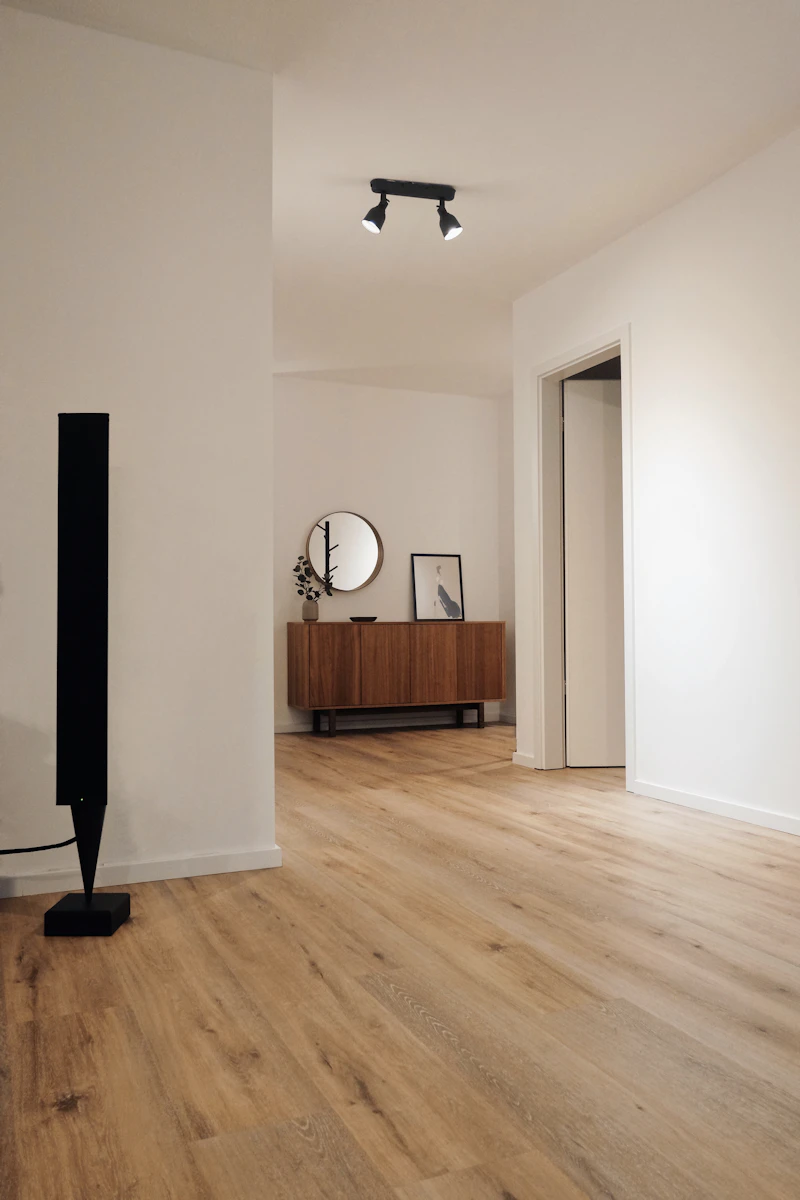
Based on Bureau of Labor Statistics wage data for the San Antonio-New Braunfels metropolitan area, flooring installation in San Antonio costs between $550 and $7,380, with an average of $2,140.
Flooring Installation Cost Breakdown — San Antonio, TX
| Service/Item | Low Estimate | Average | High Estimate |
|---|---|---|---|
| LVP Install (per 200 sq ft) | $630 | $860 | $1,260 |
| Hardwood Install (per 200 sq ft) | $1,500 | $1,980 | $2,790 |
| Tile Install (per 200 sq ft) | $1,260 | $1,710 | $2,510 |
| Carpet Install (per 200 sq ft) | $510 | $690 | $1,010 |
| Subfloor Repair | $390 | $560 | $870 |
| Hardwood Refinishing (per 200 sq ft) | $350 | $520 | $850 |
San Antonio’s unique blend of historic charm and rapid suburban growth means flooring choices aren’t just about style—they’re about surviving heat, humidity, and the occasional hailstorm. Whether you’re replacing tile in a 1920s Alamo Heights bungalow or installing luxury vinyl plank in a new Cibolo Canyon subdivision, understanding local cost drivers is key to getting value without cutting corners.
Why Flooring Installation Costs Vary in San Antonio
San Antonio’s flooring costs sit about 3% below the national average, thanks to moderate labor rates and strong regional competition among contractors. The U.S.
Bureau of Labor Statistics reports an average hourly wage of $22.80 for flooring installers in this metro—lower than Austin or Dallas—making labor a smaller portion of your total bill. Contractors typically apply a markup of 15–25% on materials to cover logistics, warranty, and project management, but tight margins keep that in check here.
Local climate plays a bigger role than most realize. Summer temperatures regularly hit 95–105°F with high humidity, which affects adhesive curing times and expansion gaps, especially for engineered wood and LVP. Homeowners may also want to compare Flooring Installation in Dallas.
Installers must adjust techniques seasonally, adding time and precision. Winter is mild, allowing year-round work, but sudden cold snaps can delay deliveries or cause slab moisture issues in slab-on-grade homes—common across San Antonio’s post-1970s developments. For a nearby comparison, check Flooring Installation in Austin.
Severe weather also impacts pricing. Northside areas like Schertz and New Braunfels face higher tornado risk, leading to more emergency flooring repairs after storms. Homeowners may also want to compare plumbing costs in San Antonio.
Coastal hurricane threats, though indirect, disrupt supply chains from Houston and Corpus Christi, occasionally spiking material lead times. Contractors with climate-controlled storage and backup suppliers avoid these delays but may charge slightly more for reliability.
Construction style matters too. Most homes here are slab-on-grade with brick veneer, meaning no crawl spaces or basements.
This simplifies subfloor prep but increases moisture sensitivity—especially in older homes with inadequate vapor barriers. Historic districts like King William or Monte Vista often have uneven slabs or legacy materials, requiring extra leveling or removal work that drives up labor hours. Newer neighborhoods, such as Stone Oak or Far North, offer smoother installs with standardized substrates, keeping costs predictable. Related: hvac costs in San Antonio.
Comparing Quotes: Budget vs. Mid-Range vs. Premium
| Feature | Budget | Mid-Range | Premium |
|---|---|---|---|
| Materials | Basic ceramic tile, builder-grade carpet, or economy vinyl sheet | Mid-tier porcelain, branded LVP, or solid oak strips | Imported stone, wide-plank engineered hardwood, or custom mosaic tile |
| Warranty | 1–5 year labor, manufacturer-only material coverage | 5–10 year labor, transferable material warranty | 10+ year labor, lifetime material, includes moisture protection |
| Installation Method | Basic prep, minimal leveling, standard adhesives | Subfloor inspection, minor repairs, climate-adjusted spacing | Full moisture testing, self-leveling underlayment, premium adhesives |
| Timeline | 2–3 days, may overlap with other trades | 3–5 days, scheduled to avoid weather extremes | 5–7+ days, phased for acclimation and curing |
| Contractor Experience | General handyman or subcontractor | Licensed flooring specialist with local references | Certified installer (NTCA, NWFA) with project portfolio |
| Post-Install Support | Phone-only follow-up, limited availability | Site walkthrough, written care guide, 90-day check-in | Dedicated project manager, annual maintenance inspection |
Seasonal Pricing Patterns in TX
San Antonio’s climate creates distinct windows for optimal flooring installation. While work happens year-round, timing affects cost, quality, and availability. See how costs compare: Flooring Installation in Houston.
- Schedule tile or hardwood installs between November and February—lower humidity and stable slab temperatures reduce expansion risks and adhesive failures.
- Avoid June through August for wood-based products; extreme heat can trap moisture under flooring, leading to warping or mold in poorly acclimated jobs.
- Book early for spring (March–May) projects—this is peak season for remodels, and top contractors fill slots by January.
- September and October can offer slight discounts after summer lull, but monitor hurricane-related supply delays from the Gulf Coast.
- Emergency rates apply after storms—especially in hail-prone areas like Live Oak or Universal City—where water-damaged flooring needs immediate replacement. Prevent this by scheduling inspections after severe weather.
- Verify they pull permits for your job—this ensures inspection for subfloor compliance and moisture barriers, critical on slab foundations.
- Ask for three local references, preferably in your area—older homes near Downtown need different skills than new builds in Alamo Ranch.
- Check if they use moisture meters and acclimation protocols, especially for wood or LVP in humid conditions.
- Confirm they handle disposal of old materials—many budget crews skip proper tile or carpet removal, risking future issues.
- Ensure the quote includes threshold transitions and door undercutting—common omissions that lead to callbacks.
- Require a written warranty that covers both labor and material installation defects.
- Local labor rates — San Antonio's labor rate of $22.80/hr (Bureau of Labor Statistics, 2024) is slightly lower than the national average, largely due to the city's lower cost of living and limited union presence. This, combined with a steady demand for flooring installation services, contributes to the local labor rate. Additionally, the city's growing population and economy have led to an increase in demand for skilled labor, which can impact costs.
- Seasonal demand — In San Antonio's hot and humid climate, peak demand for flooring installation typically occurs during the spring and fall, when temperatures are milder. During these periods, you may face a 10-20% seasonal premium on labor costs. Scheduling your project during the off-peak season (summer or winter) may help you save on labor costs.
- Project scope — The scope of your project can significantly impact costs, with basic repairs and patching being much less expensive than full replacements. The gap between low and high estimates often comes down to the extent of the work required, including any necessary subfloor repairs or preparation. For example, a simple repair might involve replacing a few damaged planks, while a full replacement requires removing the existing flooring and installing new materials.
- Permits & inspections — While Texas does not require state-level contractor licensing, cities like San Antonio, Dallas, Houston, and Austin do require a Trade Permit for flooring installation. Permit fees in San Antonio typically range from $50 to $300, depending on the type and scope of the project. These costs are usually borne by the homeowner and are necessary to ensure compliance with local building codes.
- Materials quality — The quality of materials chosen for your flooring installation can greatly impact costs, with premium materials often costing 30-50% more than builder-grade options. For example, high-end hardwood flooring like exotic Brazilian cherry or white oak can be significantly more expensive than more affordable options like engineered wood or laminate flooring.
- Property characteristics — The type, age, and accessibility of your property can also affect flooring installation costs. For example, homes with slab-on-grade construction, common in San Antonio, may require additional preparation work, while multi-story homes or those with complex layouts may incur higher labor costs. Additionally, homes in newer subdivisions may have more uniform flooring, making installation easier and less expensive.
- Emergency vs scheduled — Emergency or after-hours service typically comes with a premium, with rates often 1.5-2x higher than scheduled service. Weekend and holiday rates may also be higher, so it's best to schedule your project during regular business hours to save on labor costs.
Hiring the Right Contractor in San Antonio
Unlike states with unified licensing, Texas leaves contractor oversight to cities. San Antonio requires trade-specific permits for flooring work that affects structural or moisture barriers—especially when removing old tile or modifying thresholds.
While the state’s TDLR handles electrical and HVAC, flooring falls under local code enforcement. Always confirm your contractor is registered with the City of San Antonio Development Services Department and carries liability insurance.
Red flags include contractors who demand full payment upfront, refuse to provide a city-issued permit number, or dismiss the need for moisture testing on slab homes. During estimates, ask how they adjust for San Antonio’s summer heat and whether they’ve worked on homes with brick veneer expansion joints—these details reveal real local experience.
What Affects Flooring Installation Costs in San Antonio?
What Affects Flooring Installation Costs in San Antonio?
in San Antonio, understanding the factors that influence flooring installation costs can help you budget and plan for your project. Here are the key considerations:
Popular Flooring Installation Brands in San Antonio
Frequently Asked Questions
How much does flooring installation cost in San Antonio, TX?
The average cost of flooring installation in San Antonio, TX (San Antonio-New Braunfels metro) is $2,140, with prices typically ranging from $550 to $7,380 depending on materials, labor, and project size. Labor rates average $22.80 per hour, based on U.S. Bureau of Labor Statistics (BLS) data for the area. Costs can vary significantly based on flooring type—such as tile, hardwood, or luxury vinyl—and the complexity of the job.
Why is flooring installation less expensive in San Antonio than the national average?
Flooring installation in San Antonio tends to be more affordable due to lower labor costs, with the BLS reporting an hourly average of $22.80, which is below the national average for many metropolitan areas. Additionally, the competitive local market and lower overhead for contractors contribute to reduced pricing. Material transportation costs are also lower due to proximity to regional distribution centers in Texas.
How can I save money on flooring installation in San Antonio?
You can save money by scheduling installation during off-peak seasons, such as late fall or winter, when contractors may offer discounts due to lower demand. Choosing locally available materials and doing demolition or prep work yourself can also reduce labor costs. Getting multiple quotes from licensed contractors ensures competitive pricing while maintaining quality.
Do I need a permit for flooring installation in TX?
Generally, flooring installation does not require a permit in Texas unless it involves structural changes, alterations to egress, or is part of a larger renovation project. Most residential flooring replacements, including carpet, tile, or hardwood, are exempt from permitting requirements under the Texas Residential Building Code. Always check with your local city or county building department to confirm specific rules in San Antonio.
How long does flooring installation take in San Antonio?
Most standard flooring installations in San Antonio take between 1 to 3 days, depending on the size of the area and the type of flooring. Simple laminate or vinyl plank installations in a single room can be completed in a day, while larger or more complex jobs like tile or hardwood in multiple rooms may take longer. Delays can occur due to subfloor repairs or material delivery issues.
What warranty should I expect from a flooring installation contractor?
Reputable flooring contractors in San Antonio typically offer a labor warranty ranging from 1 to 5 years, covering workmanship issues like uneven installation or adhesive failure. Some may provide extended warranties if you use specific materials they partner with. Always get the warranty in writing and verify what’s covered, as material defects are usually handled by the manufacturer, not the installer.
What's the best time of year for flooring installation in San Antonio?
The best time for flooring installation in San Antonio is during the fall or early winter months, when humidity levels are lower and temperatures are more stable, aiding in proper adhesion and acclimation of materials. Contractors may also offer better rates during this off-peak season due to reduced demand. Avoid summer installations if possible, as extreme heat and humidity can affect drying times and material performance.
