How Much Does Flooring Installation Cost in Houston, TX?
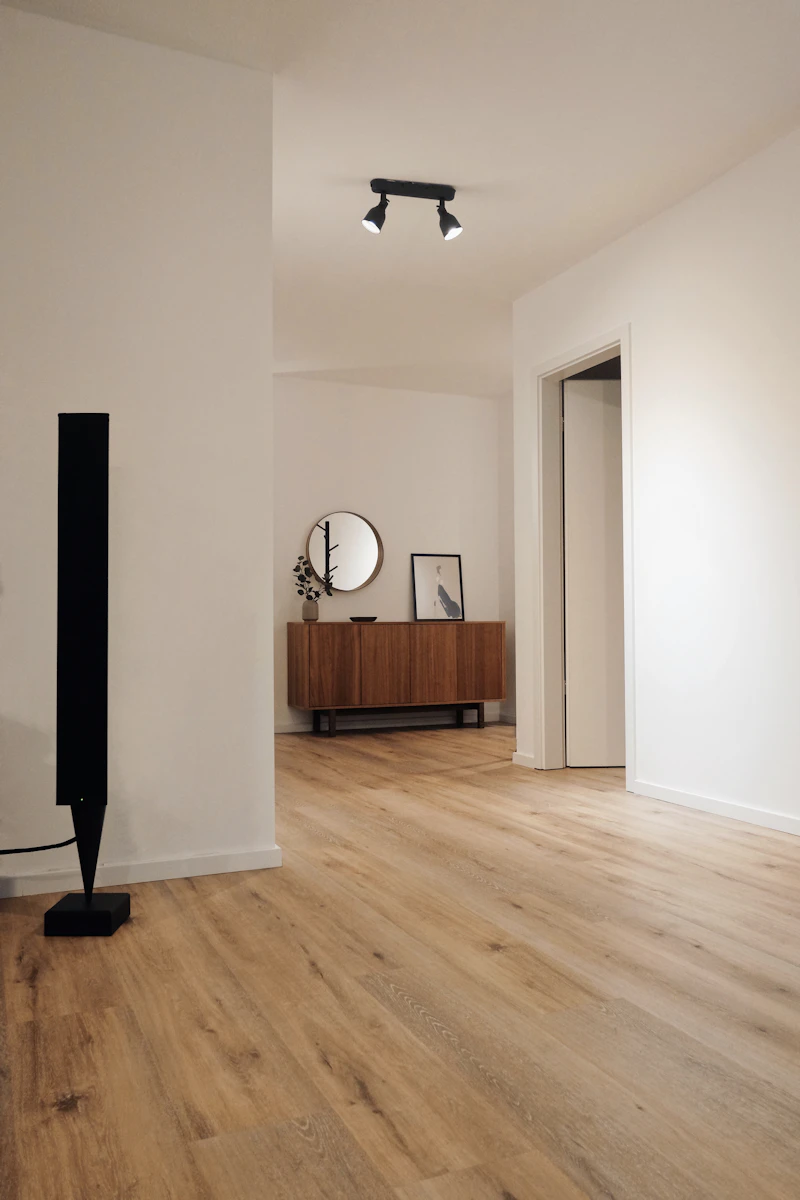
Based on Bureau of Labor Statistics wage data for the Houston-The Woodlands-Sugar Land metropolitan area, flooring installation in Houston costs between $550 and $7,380, with an average of $2,140.
Flooring Installation Cost Breakdown — Houston, TX
| Service/Item | Low Estimate | Average | High Estimate |
|---|---|---|---|
| LVP Install (per 200 sq ft) | $630 | $860 | $1,260 |
| Hardwood Install (per 200 sq ft) | $1,500 | $1,980 | $2,790 |
| Tile Install (per 200 sq ft) | $1,260 | $1,710 | $2,510 |
| Carpet Install (per 200 sq ft) | $510 | $690 | $1,010 |
| Subfloor Repair | $390 | $560 | $870 |
| Hardwood Refinishing (per 200 sq ft) | $350 | $520 | $850 |
Houston’s sprawling neighborhoods—from the tree-lined streets of River Oaks to the master-planned communities of The Woodlands—each tell a story through their homes, and flooring is often the first chapter. But installing new floors here isn’t just about material and labor; it’s about navigating a unique blend of climate, construction practices, and market dynamics that shape every quote you receive.
Why Flooring Installation Costs Vary in Houston
While the national average for flooring labor hovers above $25 per hour, Houston contractors typically base their labor calculations on the Bureau of Labor Statistics’ reported rate of $22.80/hr for flooring installers.
However, that’s just the starting point. Most licensed contractors apply a markup of 20–35% to cover overhead, insurance, equipment, and project management—especially critical in a metro area where job sites can be scattered from Pearland to Cypress.
Houston’s overall flooring costs run about 3% below the national average, thanks to competitive local markets and high volume in new construction. But that doesn’t mean savings are guaranteed.
The city’s hot, humid summers—regularly hitting 95–105°F with high dew points—demand materials that resist expansion, cupping, and mold. Installers must acclimate hardwood and engineered wood for 5–7 days, a step often skipped in drier climates but non-negotiable here. Homeowners may also want to compare Flooring Installation in Dallas.
Slab-on-grade foundations dominate Houston construction, eliminating basements but increasing moisture transfer from the ground. For a nearby comparison, check hvac costs in Houston.
This makes proper vapor barriers and moisture testing essential, especially in older bungalows near Montrose or the Heights where original subfloors may be compromised. Brick veneer exteriors, common across the region, offer durability but can trap moisture if drainage is poor—another factor affecting subfloor prep.
Weather volatility adds another layer. Hurricane threats along the coast and severe hail storms in northern suburbs like Spring can delay deliveries or damage existing flooring, triggering emergency pricing.
Tornado risk, though low, means some insurers require impact-resistant materials in certain ZIP codes, influencing material choices. Newer subdivisions in Katy or Sugar Land often have HOA requirements that limit visible delivery schedules or dumpster placement, affecting labor efficiency and cost.
Comparing Quotes: Budget vs. Mid-Range vs. Premium
| Budget | Mid-Range | Premium | |
|---|---|---|---|
| Materials | Laminate or basic vinyl plank; domestic ceramic tile (300x300mm) | Engineered hardwood (3mm wear layer), LVP with rigid core, 12x24 porcelain tile | Wide-plank white oak, imported stone or large-format tile (24x24+), custom inlays |
| Installation Quality | Basic prep, minimal subfloor correction, standard adhesives | Moisture testing, minor subfloor repairs, premium underlayment | Full subfloor leveling, sound barrier systems, acclimation logs, laser alignment |
| Warranty | 1-year labor, manufacturer-only material coverage | 3-year labor, extended material warranty with stain/moisture protection | 5–10 year labor, transferable material warranty, humidity protection clauses |
| Timeline | 3–5 days, may overlap with other trades | 5–7 days, dedicated crew, staged material delivery | 7–10+ days, custom fabrication, client walkthroughs at key stages |
| Project Management | Installer acts as point of contact | Dedicated project lead, daily updates, photo logs | Weekly meetings, digital timeline tracking, coordination with designers |
| Best For | Rentals, quick flips, low-traffic areas | Primary residences, homes with pets/kids, resale prep | Custom homes, high-humidity zones (e.g., pool houses), long-term ownership |
Seasonal Pricing Patterns in TX
Houston’s climate creates subtle but real shifts in flooring pricing and availability. Understanding these patterns helps avoid rush fees and material delays.
- Schedule major installations between October and February—mild temperatures and lower humidity reduce acclimation time and improve adhesive curing, and contractors often offer 5–10% off-peak discounts.
- Avoid June through September when heat and rain slow drying times for adhesives and increase the risk of subfloor moisture issues—especially in homes without AC during renovation.
- Monitor hurricane forecasts from June through November; if a storm threatens, material deliveries from coastal ports (like Galveston) can stall, and emergency flooring repairs spike demand.
- Book quotes at least 6–8 weeks before planned start dates during spring (March–May), a peak season for move-ins and home sales in neighborhoods like Energy Corridor and Clear Lake.
- Emergency rates—often 25–50% above standard—apply after storm damage or sudden water leaks. Prevent this by maintaining AC systems and checking crawlspace vents annually, even in slab homes.
- Confirm the contractor is registered with the City of Houston or relevant municipality (e.g., The Woodlands Township, Sugar Land City Hall) and carries liability insurance valid in Texas.
- Ask for a copy of their Workers’ Compensation Certificate—uncovered injuries on your property become your liability if they’re not covered.
- Request project references in your area, especially in neighborhoods with similar soil (e.g., expansive clay in Memorial) or age (pre-1970s homes in Rice Military).
- Demand a written scope that includes moisture testing, acclimation period, and subfloor prep—vague estimates often lead to change orders.
- Verify they use manufacturer-approved methods; improper installation voids warranties, especially for engineered wood in high-humidity zones.
- Check for consistent reviews mentioning cleanup, punctuality, and communication—traits that matter when living through a renovation in a tight urban lot.
- Get 3-5 quotes — Prices in Houston range from $550 to $7,380, so comparing multiple estimates can save you hundreds or thousands.
- Check licensing — Verify your contractor is properly licensed and insured in Texas.
- Ask about warranties — Reputable flooring installation professionals in Houston should offer at least a 1-year labor warranty.
- Read recent reviews — Look for contractors with reviews from other Houston homeowners specifically.
- Schedule off-season — You may save 10-20% by scheduling during slower months when contractors compete harder for work.
- Avoid the lowest bid — Extremely low quotes in Houston often mean cut corners, unlicensed workers, or hidden upcharges later.
- Labor costs — Houston tradespeople earn $22.80/hr on average, directly impacting your project cost.
- Material availability — Supply chain proximity and local demand affect material pricing in the Houston-The Woodlands-Sugar Land area.
- Permit requirements — Texas and local Houston building codes may require permits that add to overall project cost.
- Competition — The number of qualified flooring installation contractors in Houston influences pricing through market competition.
- Property characteristics — Home age, size, accessibility, and existing conditions unique to Houston neighborhoods affect scope and cost.
- Local labor rates — Houston’s average hourly rate for flooring labor is about 3% below the national average, influenced by lower overall cost of living and limited union presence in residential construction. High competition among contractors and steady demand across booming suburbs like Sugar Land and The Woodlands help keep labor pricing moderate despite rising material costs.
- Seasonal demand — Spring and fall are peak seasons for flooring projects, as homeowners avoid the intense summer heat (95–105°F) and hurricane season (June–November). Contractors often charge 10–20% more during these high-demand periods, while scheduling in late winter or early summer may offer better availability and pricing.
- Project scope — A minor repair, such as replacing water-damaged sections under a sink, costs significantly less than a full home replacement. The gap in estimates usually reflects subfloor preparation, removal/disposal fees, and whether HVAC or cabinetry must be worked around—common in older homes in neighborhoods like Meyerland or River Oaks.
- Permits & inspections — Texas doesn’t have state-level contractor licensing, but cities like Houston, The Woodlands, and Sugar Land require trade-specific permits for structural or moisture barrier modifications. Permit fees typically range from $50 to $300 and ensure compliance with local flood-resistant construction guidelines, especially important in flood-prone ZIP codes.
- Materials quality — Builder-grade vinyl or laminate may cost 30–50% less than premium waterproof luxury vinyl plank (LVP) or engineered hardwood with mold-resistant cores. Given Houston’s high humidity and flood risks, many homeowners in coastal-adjacent areas choose higher-grade, moisture-tolerant materials despite the added cost.
- Property characteristics — Most homes in the region are slab-on-grade with brick veneer exteriors, limiting underfloor access and increasing difficulty for radiant heating or soundproofing upgrades. Multi-story homes in The Woodlands or custom builds in Cinco Ranch may require equipment lifts or stair hauling, adding to labor time and cost.
- Emergency vs scheduled — After storm damage or plumbing failures, emergency flooring services—especially on weekends or holidays—can cost 1.5 to 2 times the standard rate. Prompt response is critical in humid conditions to prevent mold, making after-hours service common in areas prone to severe thunderstorms or hail events.
Hiring the Right Contractor in Houston
Texas doesn’t issue statewide licenses for general contractors, but Houston and most major cities in the metro require trade-specific permits for flooring work that affects structural or moisture barriers. While the TDLR oversees electrical and HVAC, flooring falls under city jurisdiction—so verification is essential. Related: plumbing costs in Houston.
Red flags include cash-only demands, refusal to provide a city permit number, or estimates significantly below market. During the estimate, ask: “How do you handle moisture readings above 75% RH?” and “Will you install expansion gaps for summer heat?” A pro who answers confidently—and cites local conditions—is worth the investment. See how costs compare: Flooring Installation in Austin.
How to Hire a Flooring Installation Professional in Houston
Finding a qualified flooring installation contractor in Houston, TX requires some research. Local labor rates average $22.80/hr based on Bureau of Labor Statistics data for the Houston-The Woodlands-Sugar Land area, which is -3% compared to the national average.
Tips for Getting the Best Price
What to Expect During the Process
A typical flooring installation project in Houston begins with an on-site estimate (most reputable contractors offer free estimates). The contractor should provide a detailed written quote including materials, labor at approximately $22.80/hr, timeline, and warranty terms. For the Houston-The Woodlands-Sugar Land market, expect the project to take anywhere from a few hours for minor repairs to several weeks for major installations.
Why Flooring Installation Costs Vary in Houston
The average flooring installation cost of $2,140 in Houston reflects local market conditions. Key factors driving prices -3% compared to the national average include:
What Affects Flooring Installation Costs in Houston?
What Affects Flooring Installation Costs in Houston?
Homeowners in Houston, The Woodlands, and Sugar Land face unique factors that influence flooring installation costs. From climate-driven material choices to local labor dynamics, understanding these elements helps you plan a smarter renovation budget.
Popular Flooring Installation Brands in Houston
Frequently Asked Questions
How much does flooring installation cost in Houston, TX?
In Houston the average cost to install flooring is about $2,140, with projects ranging from $550 on the low end to $7,380 for high‑end jobs. Labor is a major component and the Bureau of Labor Statistics reports a local hourly rate of $22.80 for flooring installers. Material prices, room size, and the type of flooring (carpet, hardwood, tile, etc.) drive the variation within that range. Expect the total to reflect both the hourly labor cost and the cost of the chosen material.
Why is flooring installation less expensive in Houston than the national average?
Houston’s lower cost of living translates into lower hourly wages for skilled trades; the BLS lists the local rate at $22.80 per hour, which is below many other U.S. metros. Additionally, a competitive market of contractors keeps bids down, and the city’s relatively mild climate reduces the need for expensive moisture‑control measures that can add to costs elsewhere. These factors combine to keep overall installation expenses below the national average.
How can I save money on flooring installation in Houston?
Start by getting at least three written quotes so you can compare labor rates and material mark‑ups. Choose mid‑range flooring products that still meet your durability needs, and consider ordering the material yourself to avoid the contractor’s markup. Scheduling the work during the off‑season (late fall or winter) often yields lower labor rates, and handling any necessary sub‑floor preparation yourself can further reduce the total cost.
Do I need a permit for flooring installation in TX?
For most interior flooring projects in Texas, a building permit is not required because the work does not affect structural integrity or fire safety. However, if you are installing heated flooring, removing or altering sub‑floor structures, or working in a commercial space, the local jurisdiction may require a permit. It’s best to check with the Houston Building Permits Office or the relevant county authority before starting the job.
How long does flooring installation take in Houston?
The timeline depends on the square footage and the type of flooring, but a typical single‑family home (1,200–2,000 sq ft) can be completed in 1 to 3 days of labor. Using the BLS hourly rate of $22.80, a crew working 8‑hour days would log roughly 8–24 hours for standard installations. Complex patterns, extensive removal of old flooring, or specialty materials may add an extra day or two.
What warranty should I expect from a flooring installation contractor?
Reputable contractors usually provide a workmanship warranty ranging from one to five years, covering issues like improper installation, seams, or adhesive failures. In addition, the flooring manufacturer will offer its own material warranty, often 10‑25 years for hardwood and 5‑10 years for laminate or vinyl, provided the installer follows the required installation guidelines. Ask the contractor for a written warranty that outlines what is covered and any maintenance requirements.
What's the best time of year for flooring installation in Houston?
Houston’s climate is warm and humid most of the year, but the cooler, drier months of late fall through early spring are ideal because lower humidity helps adhesives cure properly and reduces the risk of moisture‑related problems. Scheduling work during these months also tends to align with lower contractor demand, which can lead to more flexible scheduling and possibly lower rates. Avoid the peak of summer when high temperatures and humidity can extend drying times and increase the chance of warping in moisture‑sensitive materials.
