How Much Does Plumbing Cost in Georgetown, TX?
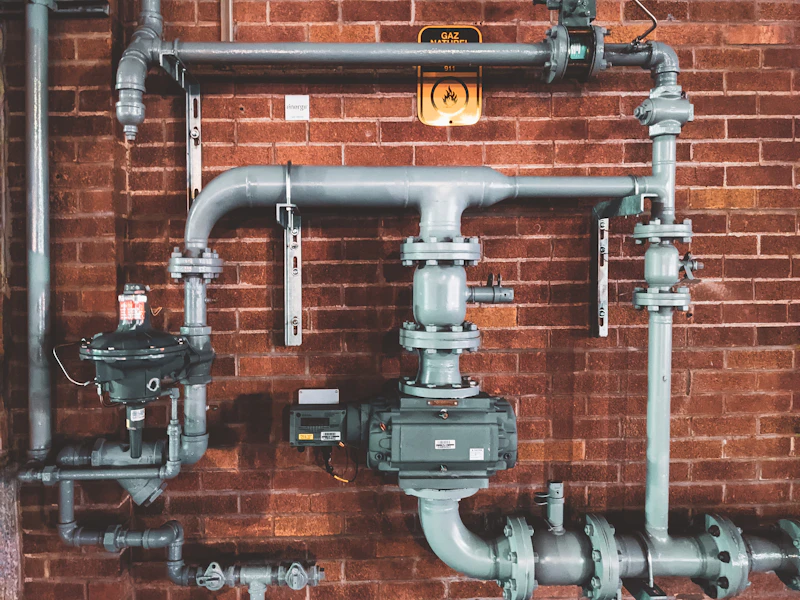
Based on Bureau of Labor Statistics wage data for the Austin-Round Rock-Georgetown metropolitan area, plumbing in Georgetown costs between $80 and $3,360, with an average of $340.
Plumbing Cost Breakdown — Georgetown, TX
| Service/Item | Low Estimate | Average | High Estimate |
|---|---|---|---|
| Faucet Repair/Replace | $90 | $120 | $180 |
| Toilet Repair | $80 | $120 | $190 |
| Water Heater Install | $1,070 | $1,380 | $1,900 |
| Drain Cleaning | $50 | $70 | $120 |
| Pipe Leak Repair | $130 | $190 | $300 |
| Sewer Line Repair | $1,520 | $2,050 | $2,970 |
Complete Guide to Plumbing in Georgetown
Georgetown’s blend of historic charm and rapid suburban expansion means plumbing systems face unique challenges—from aging galvanized lines in 1940s bungalows near the square to complex water networks in sprawling Hill Country subdivisions. As temperatures routinely hit 100°F from June through September, demand on water heaters, irrigation feeds, and AC condensate drains spikes, increasing failure rates.
Slab-on-grade foundations dominate here, so slab leaks aren’t just costly—they can destabilize the entire structure if not addressed quickly. Brick veneer exteriors may hide deteriorating supply lines, especially where ivy or overgrown landscaping traps moisture against walls.
The region’s volatile weather adds pressure. Spring and fall bring severe thunderstorms with hail and high winds—common triggers for roof vent damage and clogged gutters that overwhelm downspout drains tied to plumbing systems.
While Georgetown itself is inland and outside direct hurricane impact zones, tropical remnants from Gulf storms can dump 6+ inches of rain in 24 hours, overwhelming sump pumps and sewer laterals. Tornado risk, though low, is highest in northern Williamson County, where mobile homes and older duplexes may have undersized or improperly anchored plumbing.
Housing diversity shapes repair complexity. In Sun City and Wolf Ranch, newer builds use PEX and PVC with accessible attic runs, simplifying repairs.
But in Old Town or along University Avenue, cast iron waste stacks and copper lines from the 70s and 80s require specialized skills and permits for replacement. Permits are required for all plumbing modifications in Georgetown, enforced through the city’s Development Services Department, and inspections can add 1–2 days to project timelines.
Overall, plumbing costs in Georgetown run about 3% below national averages—driven by competitive bidding among local contractors and lower overhead than major metros. Homeowners may also want to compare Plumbing in Dallas.
However, this doesn’t mean corners can be cut. Licensed plumbers are required for all work, and unpermitted jobs can trigger fines or complications during resale. For a nearby comparison, check Plumbing in Arlington.
Material and Labor Cost Breakdown
In a typical plumbing job, materials account for 40–60% of total costs, with labor making up the remainder. Homeowners may also want to compare kitchen remodel costs in Georgetown.
For smaller repairs—like fixing a slab leak or replacing a toilet—the labor share increases due to diagnostic time and access work. Larger projects such as whole-house repipes or sewer line replacements see a higher material percentage, especially when upgrading from galvanized to PEX or installing trenchless sewer solutions.
The U.S. Bureau of Labor Statistics reports an average plumber wage of $28.47/hr in this region. However, this reflects base pay before overhead.
Reputable contractors apply a markup to cover insurance, equipment, licensing, and service vehicles—typically doubling the hourly rate billed to customers.
That doesn’t indicate overcharging; it reflects operational reality. A plumber driving from Round Rock or Leander to a job in East Georgetown spends significant time in transit, fuel, and tool maintenance—all factored into final pricing.
The wide gap between low and high estimates often comes down to scope transparency. A $80 quote may cover only visible fixture repair, while a $3,360 estimate includes slab excavation, pipe rerouting, and tile restoration. Hidden variables include:
- Unexpected corrosion in concealed walls or under slabs
- Need for city permits and reinspection fees
- Additional drywall, flooring, or masonry repair not included in initial bids
- Upgrades required by current IPC (International Plumbing Code) standards, even on partial repairs
- Schedule preventive inspections in early spring (March–April) to catch winter sediment buildup before summer demand hits
- Book water heater replacements in September or October—avoiding both summer rush and winter supply delays
- Delay non-urgent slab repairs until cooler months; excavation in 100°F heat slows crews and increases labor costs
- Monitor weather radar during storm season—hail-damaged roof vents can cause indoor leaks hours later
- For new construction or major remodels, lock in plumbing rough-in dates at least 6 weeks ahead to align with electric and framing
- Exact scope of work, including fixture models and pipe materials
- Permit responsibility (should be contractor’s duty)
- Timeline with start and expected completion dates
- Contingency plan for unexpected issues (e.g., slab damage, mold)
- Clear payment schedule tied to milestones
- Local labor rates — Georgetown’s average plumber earns about 3% less than the national average, reflecting a modest cost‑of‑living advantage and a competitive labor pool. Union presence is limited, and the steady demand for residential upgrades keeps wages stable, anchored by the BLS rate of $28.47 per hour.
- Seasonal demand — Hot, humid summers (95‑105°F) drive higher water usage and increase the likelihood of pipe expansion failures, creating a peak season from May through September. During these months, contractors often apply a 10‑20% premium, while the cooler, drier off‑peak months see lower rates and more scheduling flexibility.
- Project scope — A simple faucet repair differs dramatically from a full‑home repipe. Labor time, material volume, and the need for system testing widen the cost gap; larger projects also may require multiple trades, which adds complexity and drives up the overall estimate.
- Permits & inspections — Texas does not mandate a statewide contractor license, but many cities—including Austin and nearby Dallas—require permits for major plumbing work. Georgetown typically charges $50‑$300 for permits, and a city inspection may be needed to close the job, adding a small but unavoidable expense.
- Materials quality — Choosing premium PEX‑a tubing, copper, or stainless‑steel fixtures can cost 30‑50% more than builder‑grade PVC or poly‑butylene options. Homeowners often weigh durability and warranty against upfront price, especially in areas prone to corrosion from hard water.
- Property characteristics — Most Georgetown homes sit on slab‑on‑grade foundations with brick veneer exteriors, and many newer subdivisions feature modern plumbing layouts. Older ranch‑style houses or homes with limited crawl‑space access can increase labor time, while multi‑story properties may require additional equipment and staging.
- Emergency vs. scheduled — Calls after regular business hours, on weekends, or during severe weather events trigger emergency rates that are typically 1.5‑2 times the standard hourly charge. Planning non‑urgent repairs during normal weekdays can avoid these surcharges and keep the project within budget.
Always ask whether the estimate includes full system pressure testing and city sign-off—critical for compliance and resale.
Timeline and Scheduling Considerations
Summer is peak season for plumbing work in Georgetown. High heat increases water usage and strains aging systems, while homeowners prepare homes for fall resale.
Scheduling lead times stretch to 7–10 days during June–August, especially after storm events. Winter offers faster appointments, but holiday staffing shortages in December and January can delay response times.
Consider these timing strategies:
Emergency rates apply after hours, weekends, or for urgent stoppages like burst pipes or sewage backups.
These situations are common after sudden storms or when aging water heaters fail in extreme heat.
To avoid premium charges, maintain annual service on water heaters and sump pumps, and insulate exposed lines in garages or under homes—especially in older bungalows with raised floors. Related: roofing costs in Georgetown.
Protecting Yourself: Warranties and Guarantees
Reputable plumbers in Georgetown provide a minimum one-year labor warranty on repairs and installations.
This covers leaks, faulty connections, or workmanship issues but excludes damage from external factors like tree root intrusion or homeowner modifications. See how costs compare: Plumbing in Fort Worth.
Material warranties are separate—often 5 to 25 years—and are enforced through manufacturers, not contractors. Always request warranty documentation in writing, including start date and claim process.
Texas law requires all licensed plumbers to carry general liability insurance and workers’ compensation if they have employees. Bonding is also mandatory—protecting homeowners if a contractor fails to complete work or violates codes.
Verify license status through the Texas State Board of Plumbing Examiners (TSBPE) using the contractor’s license number. Never pay in full upfront; a 10–30% deposit is standard, with final payment due after city inspection and system testing.
Before work begins, ensure the contract includes:
In Georgetown’s growing market, unlicensed handymen often advertise plumbing fixes.
While tempting for lower rates, these jobs risk code violations, failed inspections, and denied insurance claims. Protect your investment—insist on licensed, insured, and locally experienced professionals who know how Hill Country soil and seasonal extremes impact plumbing performance.
What Affects Plumbing Costs in Georgetown?
What Affects Plumbing Costs in Georgetown?
For homeowners in the Austin‑Round Rock‑Georgetown corridor, plumbing prices aren’t set in stone.
They shift with local labor markets, seasonal demand, the size of the job, required permits, material choices, property specifics, and whether the work is an emergency. Understanding these factors helps you budget more accurately.
Popular Plumbing Brands in Georgetown
Frequently Asked Questions
How much does plumbing cost in Georgetown, TX?
The average plumbing cost in Georgetown, TX is $340, with prices typically ranging from $80 to $3,360 depending on the job's complexity. Labor rates average $28.47 per hour, according to the U.S. Bureau of Labor Statistics (BLS), which aligns with regional wage data for the Austin-Round Rock-Georgetown metro. Common services like leak repairs or faucet installations fall on the lower end, while full repipes or sewer line work drive costs higher.
Why is plumbing less expensive in Georgetown than the national average?
Plumbing in Georgetown tends to be less expensive than the national average due to lower overhead costs for contractors and competitive market pricing within the Austin-Round Rock-Georgetown metro area. The BLS reports a local hourly wage of $28.47 for plumbers, which is below the national average, contributing to reduced labor costs. Additionally, fewer high-rise buildings and dense urban infrastructure keep installation and maintenance work more straightforward and less costly.
How can I save money on plumbing in Georgetown?
You can save money by scheduling routine maintenance to catch small issues like leaky faucets or minor clogs before they become expensive repairs. Getting multiple quotes from licensed local contractors ensures competitive pricing, especially since labor averages $28.47/hr per BLS data. Avoid emergency after-hours calls when possible, as those often include premium rates, and consider off-season scheduling for non-urgent projects.
Do I need a permit for plumbing in TX?
Yes, most plumbing work in Texas requires a permit, especially for new installations, water heater replacements, or sewer line repairs. The Texas State Board of Plumbing Examiners mandates permits to ensure compliance with state plumbing codes and safety standards. Always hire a licensed plumber who will pull the necessary permits and schedule inspections to avoid fines or issues during home sales.
How long does plumbing take in Georgetown?
Simple plumbing repairs like fixing a leak or unclogging a drain usually take 1 to 2 hours in Georgetown. Larger jobs such as water heater replacement or repiping a bathroom may take 1 to 3 days depending on complexity. Local contractors typically schedule promptly due to competitive availability, and labor efficiency is supported by the area's average plumber wage of $28.47/hr (BLS).
What warranty should I expect from a plumbing contractor?
Most reputable plumbing contractors in Georgetown offer a 1- to 2-year labor warranty on repairs and installations, in addition to manufacturer warranties on parts and fixtures. Some may provide extended coverage for major services like water line replacement or tankless water heaters. Always confirm warranty terms in writing before work begins, as this protects your investment and ensures accountability.
What's the best time of year for plumbing in Georgetown?
The best time for plumbing work in Georgetown is late fall to early spring, when demand is lower and contractors have more availability. Scheduling during this period can reduce wait times and potentially lower costs due to less strain on labor resources. Avoid summer months when HVAC and plumbing demands peak, especially during heatwaves that increase water usage and system stress.
