How Much Does Roofing Cost in Georgetown, TX?
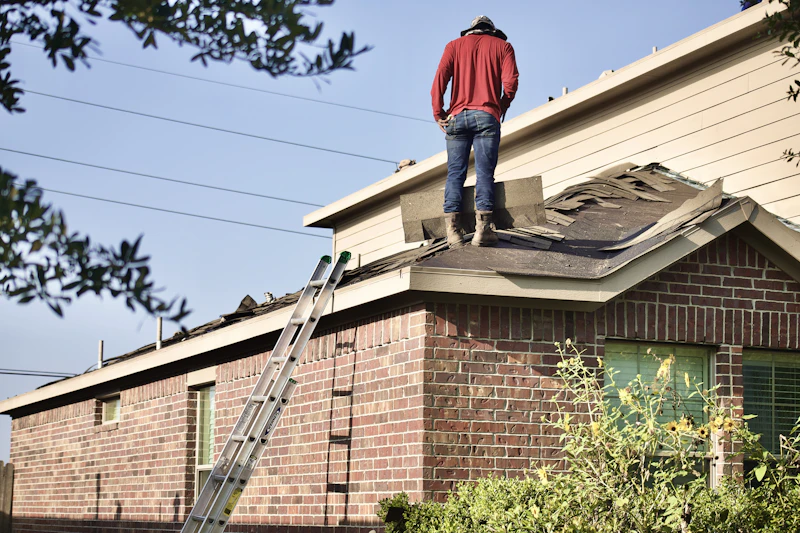
Based on Bureau of Labor Statistics wage data for the Austin-Round Rock-Georgetown metropolitan area, roofing in Georgetown costs between $2,290 and $15,640, with an average of $5,480.
Roofing Cost Breakdown — Georgetown, TX
| Service/Item | Low Estimate | Average | High Estimate |
|---|---|---|---|
| Asphalt Shingles (per sq) | $120 | $160 | $240 |
| Metal Roofing (per sq) | $330 | $440 | $630 |
| Flat Roof Repair | $230 | $320 | $490 |
| Full Replacement (2,000 sq ft) | $4,170 | $5,480 | $7,670 |
| Roof Inspection | $20 | $30 | $60 |
| Gutter Installation (per ft) | $10 | $10 | $20 |
| Budget | Mid-Range | Premium |
|---|---|---|
| 3-tab asphalt shingles; basic underlayment | Architectural shingles with enhanced wind resistance; synthetic underlayment | Impact-resistant Class 4 shingles or standing seam metal; premium underlayment and ice/water shield |
| 10–20 year manufacturer warranty; limited labor coverage | 25–30 year non-prorated warranty; 5–10 year workmanship guarantee | Lifetime shingle warranty; 15+ year labor warranty; transferable coverage |
| 3–5 days; may use subcontracted crews | 5–7 days; dedicated crew with supervisor oversight | 7–10 days; single crew, meticulous flashing and ventilation installation |
| Minimal attic ventilation; basic drip edge | Code-compliant ridge and soffit vents; upgraded metal drip edges | Smart ventilation system; custom copper or aluminum flashing at valleys and penetrations |
| May skip full decking inspection; limited cleanup | Decking checked and spot-repaired; full debris removal | Full decking evaluation and replacement if needed; magnetic nail sweep and site washdown |
| Lowest bid; often excludes permits or disposal fees | Transparent line-item pricing; includes permit and dump fees | Comprehensive scope with engineering notes; drone inspection pre/post |
Why Roofing Costs Vary in Georgetown
Georgetown’s roofing market reflects a mix of fast-growing suburbs and historic neighborhoods, where slab-on-grade homes with brick veneer dominate and roof geometry ranges from simple gables to complex multi-plane designs. Labor here averages $21.86/hr per BLS data, but most licensed roofing contractors apply a 30–45% markup to cover insurance, equipment, and project management—especially critical during peak storm season.
Overall, roofing in Georgetown runs about 3% below national averages, thanks to competitive bidding among regional contractors serving the Austin-Round Rock-Georgetown metro. But don’t mistake lower baseline costs for simplicity.
The real cost drivers are environmental.
Summers routinely hit 95–105°F with high humidity, accelerating shingle degradation and thermal expansion fatigue. Hail events—especially from spring thunderstorms rolling down from the northern Texas plains—can trigger widespread damage, spiking demand and labor availability.
Tornado risk, though low probability, means insurers and contractors prioritize impact resistance.
While hurricanes don’t hit Georgetown directly, coastal storm remnants bring torrential rain, testing underlayment and flashing integrity. These conditions push material choices toward architectural and Class 4 shingles, even in mid-range projects.
Housing stock adds another layer.
Newer subdivisions in Sun City or Wolf Ranch use standardized roof designs that reduce labor time, while older bungalows near the Historic Square often require custom flashing, ridge caps, and careful integration with original masonry. Homeowners may also want to compare Roofing in Dallas.
Roof pitch, tree coverage, and proximity to emergency services also influence access and disposal logistics.
Contractors factor in all these variables—plus the need for permits from the City of Georgetown Development Services—when pricing a job, making flat-rate estimates unreliable without a site evaluation. For a nearby comparison, check Roofing in Arlington.
Comparing Quotes: Budget vs. Mid-Range vs. Premium
Not all roofs are built the same, and your quote should reflect long-term performance, not just upfront cost. A budget roof may save money today but cost more in repairs, energy bills, and premature replacement.
Mid-range systems balance durability and value, especially with architectural shingles now standard across most new builds.
Premium options shine in high-exposure areas—steep slopes, shaded lots, or homes near open fields—where ventilation, impact resistance, and craftsmanship directly affect lifespan. Always compare warranties, labor inclusions, and material specs side by side.
Seasonal Pricing Patterns in TX
In Central Texas, roofing isn’t bound by winter freeze but by heat, storms, and contractor availability. The busiest season runs from April through October, when post-storm demand surges after hail or high-wind events.
Emergency tarping and repairs during this window can carry 20–30% premiums, especially if insurance adjusters are backlogged. Off-peak months—November to February—offer the best pricing and scheduling flexibility, with crews more available and materials easier to source.
- Schedule inspections in late fall to catch damage before winter rains worsen it
- Avoid May and June—peak storm season often delays projects due to high demand
- Book mid-range replacements in December or January for optimal crew availability
- Monitor weather forecasts; a single hailstorm can extend lead times by 4+ weeks
- Use off-season time for attic upgrades—better ventilation reduces long-term roof stress
- Confirm they pull a permit from Georgetown Development Services for full replacements
- Ask for proof of general liability and workers’ comp insurance—request certificate copies
- Require a detailed scope including tear-off, decking inspection, and disposal method
- Verify manufacturer certification for the shingle brand being installed
- Check recent reviews on BBB and Google, especially for storm-related jobs
- Ensure the quote includes a timeline, payment schedule, and cleanup responsibility
- Local labor rates — Georgetown’s average roofing labor rate is about 3% below the national average due to lower cost of living and limited union presence in residential roofing. However, high demand during storm season can tighten labor supply, pushing wages temporarily higher.
- Seasonal demand — Roofing demand peaks in late spring and early fall when weather is dry and temperatures are manageable, leading to 10–20% higher pricing during these months. Summer heat waves (often exceeding 100°F) and winter storm repairs create off-peak opportunities for faster scheduling and potential discounts.
- Project scope — A minor repair after hail damage may only involve shingle patching or flashing replacement, while a full tear-off and re-roof doubles labor and disposal costs. The gap between low and high estimates often reflects hidden damage, underlayment upgrades, or ventilation improvements not included in basic bids.
- Permits & inspections — Texas doesn’t license contractors statewide, but Georgetown and neighboring cities like Round Rock and Austin require trade-specific permits for roofing work. Permit fees typically range from $50 to $300 and ensure compliance with local wind and hail codes, especially important in this severe storm-prone region.
- Materials quality — Builder-grade 3-tab asphalt shingles cost significantly less than architectural or impact-resistant shingles rated for Class 4 hail resistance, which are recommended in Central Texas. Premium materials like metal roofing or synthetic tile offer longer life and better heat reflection but come with a 30–50% price increase.
- Property characteristics — Most homes in Georgetown are slab-on-grade with one to two stories and brick veneer, affecting roof access and complexity. Steeper pitches, limited driveway access, or older homes with multiple roof layers increase labor time and disposal fees, directly impacting final pricing.
- Emergency vs scheduled — Storm damage from hail or high winds often requires immediate tarping and repairs, with emergency rates running 1.5 to 2 times standard pricing, especially on weekends. Scheduling during off-peak times avoids after-hours premiums and rushed material deliveries.
Emergency rates apply when immediate tarping or structural protection is needed after storm damage. These are justified but avoidable with proactive maintenance.
A drone inspection every 2–3 years, especially after severe weather, helps catch issues early and keeps you out of the emergency queue. Related: bathroom remodel costs in Georgetown.
Hiring the Right Contractor in Georgetown
Texas doesn’t license general contractors at the state level, and Georgetown follows the broader trend: no city-wide roofing license, but all work must comply with the Texas Department of Licensing and Regulation (TDLR) standards for building codes and safety. See how costs compare: Roofing in Fort Worth.
Unlike Houston or Dallas, Georgetown doesn’t require trade-specific permits for roofing, but contractors must still pull building permits through the city for full replacements. Always verify that your contractor is registered with TDLR, carries liability and workers’ comp insurance, and provides a written contract with lien waiver terms.
Red flags include cash-only demands, unsolicited door-to-door offers after storms, or refusal to provide a physical business address.
During estimates, ask: “Will the same crew install the roof start to finish?” and “How do you handle unexpected decking damage?” A reliable contractor will explain contingencies, not downplay them. In a market shaped by weather and growth, your roof is only as strong as the team behind it.
What Affects Roofing Costs in Georgetown?
What Affects Roofing Costs in Georgetown?
Homeowners in Georgetown, Austin, and the Round Rock area face unique factors that influence roofing costs. From volatile weather to local construction practices, understanding these elements helps you budget wisely for repairs or replacements.
Popular Roofing Brands in Georgetown
Frequently Asked Questions
How much does roofing cost in Georgetown, TX?
The average roofing cost in Georgetown, TX is $5,480, with prices typically ranging from $2,290 to $15,640 depending on roof size, materials, and labor. This aligns with regional labor rates, where roofers earn an average of $21.86 per hour according to the U.S. Bureau of Labor Statistics (BLS). Costs can vary significantly based on whether you're replacing, repairing, or installing a new roof, as well as the type of shingles or materials used. Local market competition and moderate overhead for contractors help keep overall costs below or near the national average.
Why is roofing less expensive in Georgetown than the national average?
Roofing in Georgetown tends to be less expensive than the national average due to lower labor and overhead costs compared to major metropolitan areas. According to BLS data, roofers in the Austin-Round Rock-Georgetown metro area earn $21.86 per hour, which is competitive but not inflated like in coastal cities. Additionally, local competition among licensed contractors helps keep pricing transparent and reasonable for homeowners. Material transportation costs are also reduced thanks to proximity to distribution hubs in Central Texas.
How can I save money on roofing in Georgetown?
You can save money on roofing in Georgetown by scheduling replacement during the off-peak seasons, such as late fall or early winter, when contractors may offer discounts due to lower demand. Getting multiple quotes from licensed contractors helps ensure competitive pricing based on the local average of $5,480. Consider using standard asphalt shingles, which are cost-effective and widely available, rather than premium materials. Also, timing your project around local supplier promotions or tax-free weekends can reduce material expenses.
Do I need a permit for roofing in TX?
Yes, most roofing projects in Georgetown, TX require a building permit, especially for full replacements or structural repairs. The City of Georgetown's Development Services department enforces building codes and typically requires permits to ensure work meets safety and zoning regulations. Your licensed roofing contractor should handle the permit application process and include it in the overall project cost. Skipping permits can lead to fines or issues when selling your home.
How long does roofing take in Georgetown?
A typical roof replacement in Georgetown takes 1 to 3 days for an average-sized home, depending on the complexity and weather conditions. Simple repairs or partial replacements can often be completed in a single day. Larger homes or those with intricate roof designs may take up to 5 days, especially if unexpected structural issues are found. Contractors in the area generally work efficiently due to experience with common Central Texas roof styles and materials.
What warranty should I expect from a roofing contractor?
In Georgetown, you should expect at least a 5-year labor warranty from a licensed roofing contractor, with many offering 10 years depending on the company and materials used. Manufacturer warranties on shingles typically range from 25 to 50 years and cover defects in materials. Always verify that the warranty covers both materials and workmanship, and ensure it's provided in writing before work begins. Warranties may be transferable if you sell your home, adding value to your investment.
What's the best time of year for roofing in Georgetown?
The best time for roofing in Georgetown is late fall, particularly October to early December, when temperatures are mild and rainfall is relatively low, minimizing weather delays. This period falls just after the busy summer storm season, when many contractors may offer better availability and pricing. Avoid spring, which brings frequent storms, and summer, when extreme heat can affect shingle installation and worker efficiency. Scheduling during this optimal window helps ensure faster completion and better work quality.
