How Much Does Flooring Installation Cost in San Jose, CA?
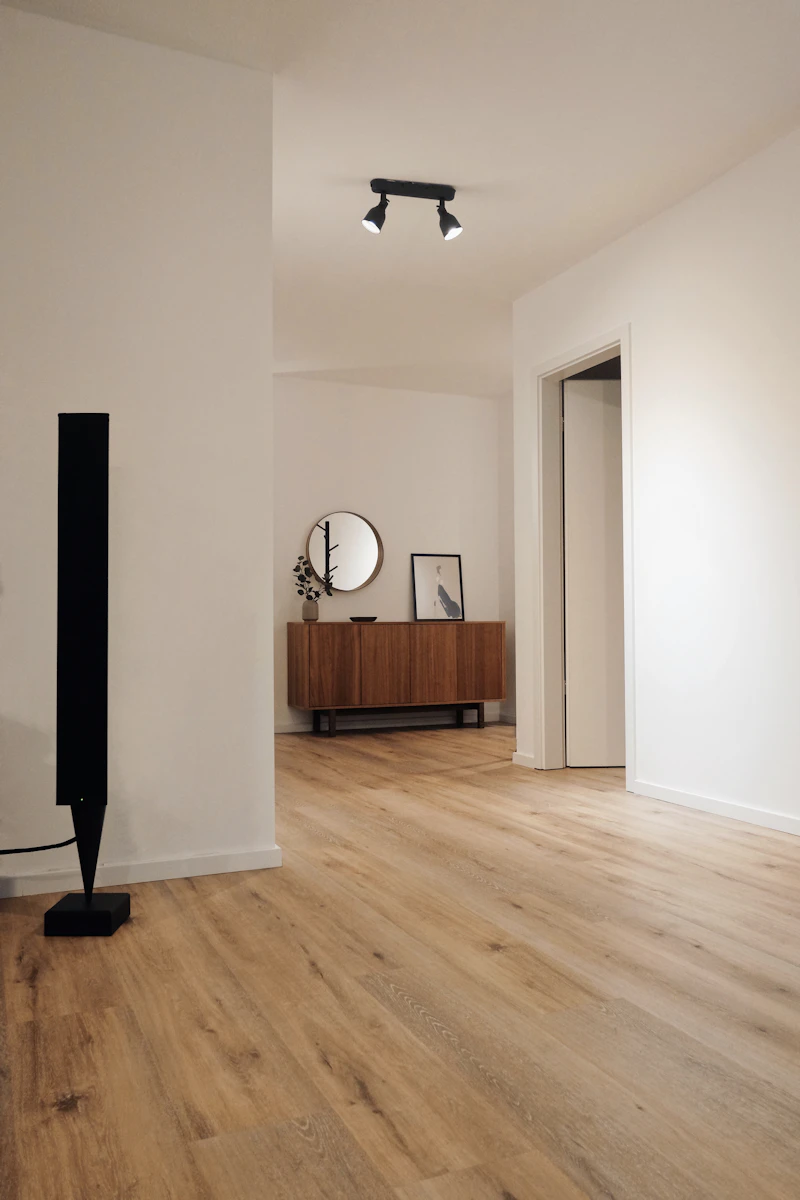
Based on Bureau of Labor Statistics wage data for the San Jose-Sunnyvale-Santa Clara metropolitan area, flooring installation in San Jose costs between $590 and $8,060, with an average of $2,320.
Flooring Installation Cost Breakdown — San Jose, CA
| Service/Item | Low Estimate | Average | High Estimate |
|---|---|---|---|
| LVP Install (per 200 sq ft) | $670 | $930 | $1,390 |
| Hardwood Install (per 200 sq ft) | $1,570 | $2,090 | $3,000 |
| Tile Install (per 200 sq ft) | $1,350 | $1,860 | $2,780 |
| Carpet Install (per 200 sq ft) | $540 | $750 | $1,110 |
| Subfloor Repair | $430 | $630 | $1,000 |
| Hardwood Refinishing (per 200 sq ft) | $400 | $610 | $1,030 |
In San Jose, where Spanish-style stucco homes meet mid-century ranches and new solar-ready tracts, flooring isn’t just about aesthetics—it’s a response to climate, soil, and seismic reality.
Whether you're renovating a 1950s Campbell bungalow or upgrading a Cupertino tract home, your floor must handle dry inland heat, occasional wildfire ash infiltration, and the subtle shifts of Bay Area geology. These aren’t just cosmetic upgrades; they’re structural decisions shaped by where and how we build here.
Why Flooring Installation Costs Vary in San Jose
San Jose’s flooring costs run about 25% above the national average, and it’s not just because of high rents or property values. The baseline labor rate for flooring contractors, per Bureau of Labor Statistics data, is $29.39/hr—but that’s just the starting point.
Most licensed contractors apply a markup to cover overhead, insurance, equipment, and project management, especially on jobs requiring coordination with other trades during full remodels. In a market where homes range from earthquake-vulnerable 1960s slab-on-grade builds to modern, energy-code-compliant constructions, prep work varies dramatically. A simple floating laminate install in a newer Campbell home might be straightforward, but removing old tile from a cracked 1970s slab in East San Jose often requires mud bed repairs, moisture barriers, and added underlayment—driving up both time and cost. Homeowners may also want to compare Flooring Installation in Los Angeles.
The local climate plays a direct role. Inland valleys regularly hit 100°F+ in summer, making moisture-sensitive materials like solid hardwood risky without proper acclimation and subfloor prep. Wildfire smoke seasons mean jobs may pause unexpectedly, adding scheduling complexity. For a nearby comparison, check Flooring Installation in San Diego.
Contractors factor in buffer time during September and October, especially for outdoor-accessible jobs. And because many homes here sit on expansive clay soils or require seismic retrofitting, floor framing and subfloor stability checks are standard—not extras. These hidden but necessary steps inflate labor hours and material choices, especially in older neighborhoods like Willow Glen or Almaden Valley. Homeowners may also want to compare plumbing costs in San Jose.
Construction style also shapes cost. Stucco-over-wood-frame homes common in San Jose often have uneven substrates due to settling, requiring more leveling than modern tract homes in North San Jose.
Mid-century modern homes with radiant heat slabs need special attention—disturbing embedded systems can trigger costly repairs. All these factors make “per square foot” pricing misleading without a site-specific assessment. Related: hvac costs in San Jose.
Comparing Quotes: Budget vs. Mid-Range vs. Premium
| Budget | Mid-Range | Premium | |
|---|---|---|---|
| Materials | Laminate, vinyl sheet, basic LVP | Engineered hardwood, ceramic tile, quality LVT | Solid hardwood, natural stone, custom inlays |
| Subfloor Prep | Minimal; sanding or patching only | Leveling compound, moisture testing | Full inspection, sistering joists if needed, vapor barriers |
| Warranty | 1-year labor, manufacturer-only material coverage | 3-year labor, extended material protection | 5+ year labor, transferable, includes structural performance |
| Timeline | 3–5 days, may use subcontractors | 5–7 days, dedicated crew | 7–10+ days, precision detailing, phased inspections |
| Permit Handling | Owner responsible or skipped | Contractor pulls permit, includes in quote | Full compliance: permit, Title 24 documentation, city sign-off |
| Climate Adaptation | None; assumes stable indoor conditions | Expansion gaps, acclimation period observed | Custom movement joints, humidity-controlled acclimation, radiant-safe adhesives |
Seasonal Pricing Patterns in CA
San Jose’s mild coastal-influenced winters and scorching inland summers create predictable swings in contractor availability and pricing. While flooring can technically be installed year-round, timing affects cost, quality, and scheduling reliability. See how costs compare: Flooring Installation in San Francisco.
- Schedule major flooring jobs between late October and early March—this is the off-peak window when contractors have more availability and are less likely to double-book, reducing labor pressure and potential rush fees.
- Avoid June through September, especially in eastern neighborhoods like Evergreen or Alum Rock, where extreme heat can compromise adhesive curing and hardwood acclimation.
- Monitor wildfire season forecasts; if smoke or air quality alerts are likely, plan to pause work. Some contractors charge idle time fees if jobs stall unexpectedly.
- Early spring (March–April) is ideal for homes with radiant heating—allow time to test and balance the system before summer.
- Emergency rates apply when flooring fails after a plumbing leak or earthquake event. To avoid premium charges, maintain your home’s structural inspections and consider preventive moisture barriers under high-risk areas like kitchens.
- Verify active CSLB license status at contractor.ca.gov—check for disciplinary history and proper classification (C-15 for flooring, C-54 for tile, C-61/D-12 for D-I-Y specialty).
- Ask if they handle permits and inspections—reputable contractors include this and coordinate with city building departments.
- Confirm they test subfloor moisture, especially in slab-on-grade homes common in West San Jose and Santa Clara border areas.
- Request proof of workers’ comp and general liability insurance—uninsured crews put you at financial risk.
- Ask how they handle seismic movement considerations—do they use flexible adhesives or floating installations in high-risk zones?
- Require a written scope detailing prep work, acclimation time, and cleanup—vague estimates often lead to change orders.
- Local labor rates — San Jose labor averages $29.39/hour, about 25% above the national average due to the region’s high cost of living, strong union presence in construction trades, and sustained demand from tech-driven population growth. Skilled flooring installers are in limited supply, further pushing wages up across Santa Clara County.
- Seasonal demand — Flooring projects peak in spring and early fall when mild Mediterranean weather supports indoor air quality and drying times, while summer heat inland (often exceeding 100°F) and winter rains suppress activity. Contractors may charge 10–20% more during peak months due to booking congestion.
- Project scope — A simple repair or partial room refresh costs significantly less than a full tear-out and replacement, especially when subfloor damage from moisture or age is discovered. The gap between low and high estimates often reflects hidden issues like uneven substrates or termite damage common in older South Bay homes.
- Permits & inspections — Any job over $500 requires a CSLB-licensed contractor in California, and flooring projects that impact thermal boundaries may trigger Title 24 energy compliance checks, the strictest in the U.S. Permit fees typically range from $50 to $300 and are necessary for resale disclosures in San Jose’s rigorous real estate market.
- Materials quality — Builder-grade vinyl or basic laminate costs 30–50% less than premium engineered hardwood, luxury vinyl plank (LVP), or natural stone tile—popular in Spanish-style and mid-century homes across Santa Clara. High-end materials also require more precise installation, increasing labor time.
- Property characteristics — Older ranch homes and stucco-constructed properties common in Sunnyvale and West San Jose often have uneven foundations or limited access, increasing labor complexity. Multi-story homes or those with narrow hallways raise equipment and material handling challenges, affecting total pricing.
- Emergency vs scheduled — Sudden water damage from plumbing failures or wildfire smoke infiltration may require urgent flooring removal, triggering after-hours rates that are 1.5 to 2 times standard. Weekend or holiday service premiums are common due to limited availability among licensed installers.
Hiring the Right Contractor in San Jose
In California, any job over $500 in labor and materials requires a CSLB-licensed contractor. Flooring may seem simple, but in San Jose, it often ties into larger compliance issues—especially with Title 24, the nation’s strictest energy code.
Improper subfloor insulation or failure to maintain thermal breaks can violate code, particularly in newer Milpitas or North San Jose developments with solar-ready requirements. Permits are typically required for full replacements and must be pulled through the city—most San Jose-area municipalities allow online submittal via platforms like Accela.
Red flags include contractors who quote significantly below market, refuse to pull permits, or pressure you to buy materials on the spot. During estimates, ask: “Have you worked on homes like mine in this neighborhood?” A contractor familiar with Almaden’s hillside soils or Willow Glen’s older plumbing systems will anticipate issues invisible to outsiders. In San Jose, experience isn’t just about skill—it’s about knowing what lies beneath.
What Affects Flooring Installation Costs in San Jose?
What Affects Flooring Installation Costs in San Jose?
Homeowners in San Jose, Sunnyvale, and Santa Clara face unique cost factors when installing new flooring. From local labor rates to climate-related challenges and strict building codes, here’s what shapes your project’s price:
Popular Flooring Installation Brands in San Jose
Frequently Asked Questions
How much does flooring installation cost in San Jose, CA?
The average cost for flooring installation in San Jose, CA is $2,320, with prices typically ranging from $590 to $8,060 depending on materials, labor, and project complexity. Labor rates average $29.39 per hour according to the U.S. Bureau of Labor Statistics (BLS), which contributes significantly to overall costs. Larger homes or high-end materials like hardwood or tile will push projects toward the higher end of the range.
Why is flooring installation more expensive in San Jose than the national average?
Flooring installation in San Jose is more expensive due to the region's high cost of living, elevated labor rates, and strong demand in the San Jose-Sunnyvale-Santa Clara metro area. BLS data shows hourly wages for flooring installers here average $29.39, often exceeding national averages, which directly impacts total project costs. Additionally, building material transportation and overhead for contractors are higher in this competitive market.
How can I save money on flooring installation in San Jose?
You can save money by scheduling flooring installation during off-peak seasons, such as late fall or winter, when contractors may offer discounts due to lower demand. Choosing mid-grade materials and getting multiple quotes can also help control costs while maintaining quality. Doing preparatory work yourself, like removing furniture or old flooring, may reduce labor time and expenses based on the $29.39/hr BLS average rate.
Do I need a permit for flooring installation in CA?
In California, flooring installation typically does not require a permit if it does not involve structural changes, plumbing, or electrical work. However, large-scale renovations or projects in multi-family units may need approval from local building departments in San Jose or Santa Clara County. Always check with your contractor and local code office to ensure compliance, especially for commercial or rental properties.
How long does flooring installation take in San Jose?
Most residential flooring installations in San Jose take 1 to 3 days, depending on the size of the area and type of flooring. Simple laminate or vinyl projects in a single room may be completed in a day, while full-home hardwood or tile installations can take up to a week. Delays may occur due to subfloor repairs or material delivery times, especially during peak construction seasons.
What warranty should I expect from a flooring installation contractor?
Reputable flooring contractors in San Jose typically offer a 1- to 5-year labor warranty covering workmanship issues like uneven installation or seam failures. The manufacturer usually provides a separate warranty for materials, which can range from 10 years to a lifetime for products like laminate or tile. Always get the warranty in writing and confirm what is covered, as terms vary by contractor and product type.
What's the best time of year for flooring installation in San Jose?
The best time for flooring installation in San Jose is during the late fall or winter months, when demand for contractors is lower and you may secure better rates. Cooler, drier weather also helps with adhesive curing for tile or hardwood, and indoor humidity levels are more stable. Scheduling during this off-peak season can reduce wait times and labor costs based on the $29.39/hr BLS average.
